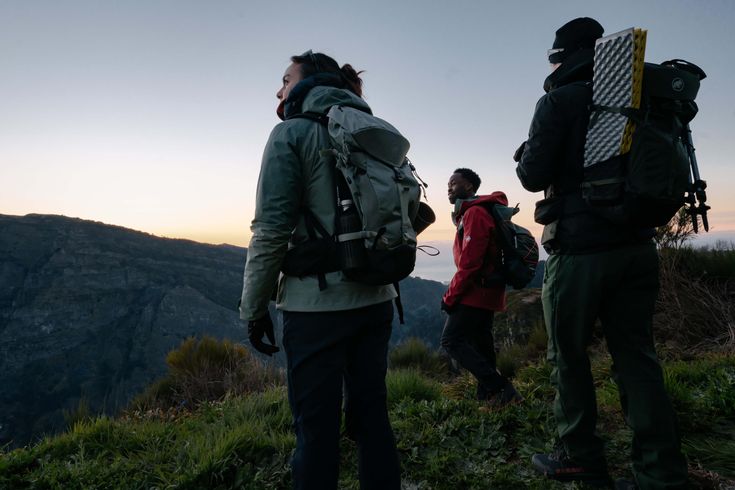
Choosing the right outdoor clothing layers can make the difference between enjoying an outdoor adventure and spending the day feeling too cold, sweaty or soaked. Weather can change quickly when hiking, camping, travelling or spending time outdoors, so relying on one heavy jacket is rarely the most practical approach. Instead, layering for outdoor activities allows you to add or remove clothing as temperature, wind and rainfall change. This outdoor clothing guide explains how to build an adaptable system using a base layer, insulating layer and protective outer layer.
Why Are Outdoor Clothing Layers Important?
The purpose of layering is to manage temperature, moisture and weather protection rather than simply adding as many clothes as possible. Each layer has a specific role, and together they create a flexible clothing system.
A traditional layering system consists of:
- Base layer: Manages moisture and helps regulate body temperature.
- Mid layer: Provides insulation and retains warmth.
- Outer layer: Protects against wind and rain.
The advantage is flexibility. If temperatures rise, you can remove a layer. If wind increases or rain starts, you can add your protective shell.
Start With a Base Layer
The base layer sits directly against your skin and is responsible for managing moisture. During active outdoor activities, your body produces heat and sweat, so the wrong fabric can leave you feeling damp and uncomfortable.
Look for breathable materials that move moisture away from the skin and dry relatively quickly.
Good Base Layer Options
- Lightweight synthetic fabrics
- Merino wool
- Moisture-managing technical fabrics
- Thermal clothing for colder conditions
Avoid relying heavily on ordinary cotton for demanding outdoor activities. Cotton can absorb moisture and take longer to dry, which may become uncomfortable when temperatures drop.
Add a Fleece Layer for Insulation
The middle layer provides insulation by helping retain warmth around your body. A fleece layer is a popular option because fleece can provide warmth without being excessively heavy.
A lightweight fleece can work well during moderate conditions, while a thicker insulating layer may be more suitable for colder weather.
The mid layer should also allow enough room for your base layer and outer shell without restricting movement.
Choose a Waterproof Layer
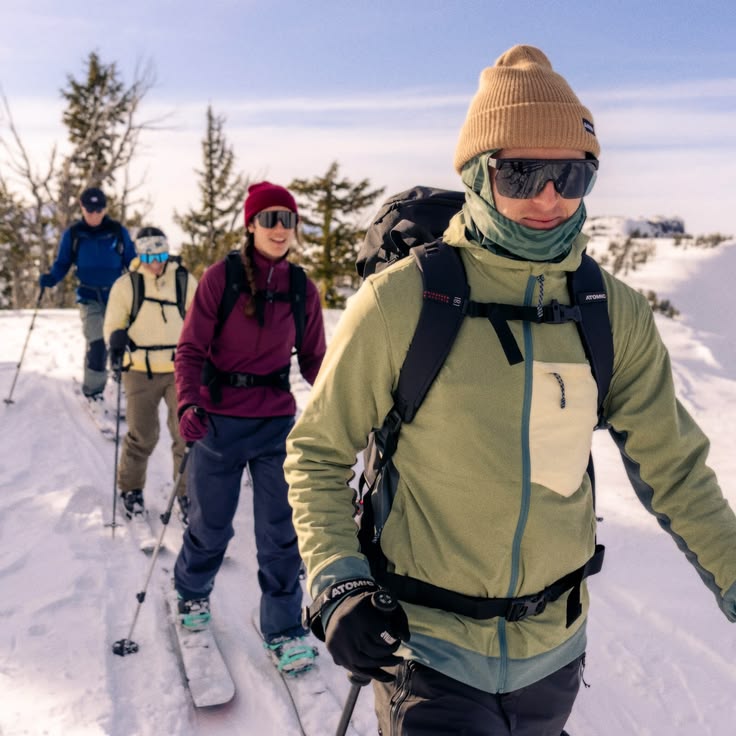
The outer layer protects you from rain and wind. A waterproof layer is particularly important when you’re hiking or travelling in areas where rainfall can arrive unexpectedly.
A suitable waterproof jacket should provide a balance between water protection and breathability. Completely blocking moisture from the outside is useful, but you also want sweat vapour to escape from inside.
Look for:
- Waterproof fabric
- Adjustable hood
- Ventilation options
- Packable construction
- Storm flaps where appropriate
For UK hiking, a waterproof shell can be one of the most valuable pieces of outdoor clothing because rainfall can be unpredictable.
Outdoor Clothing Layers for Warm Weather
Layering isn’t only for winter. The same principle can be adapted for warmer conditions by choosing lighter, more breathable clothing.
A warm-weather system might include a lightweight base layer, a thin overshirt or softshell, and a compact waterproof jacket for unexpected rain.
For Warmer Outdoor Conditions, Consider:
- Lightweight breathable clothing
- Moisture-managing base layers
- Sun-protective clothing
- Lightweight softshell
- Breathable walking trousers
The goal is to avoid overheating while keeping enough protection available if the weather changes.
Choose a Softshell for Windy Conditions
A softshell sits somewhere between an insulating mid layer and protective outer layer. It can be useful when you need protection from wind and light moisture but don’t necessarily need a fully waterproof shell.
They can offer:
- Breathability
- Stretch
- Light water resistance
- Comfortable movement
For prolonged heavy rain, however, a dedicated waterproof shell may provide more appropriate protection.
Think About Breathability
Waterproofing and breathability need to work together. If your jacket keeps rain outside but traps excessive heat and moisture inside, you can become uncomfortable during high-intensity activities.
This is why breathable clothing is important when choosing outdoor gear. If you start feeling too warm, remove your mid layer before you become heavily sweaty. Managing layers early is usually easier than trying to cool down after overheating.
Adjust Layers According to Activity
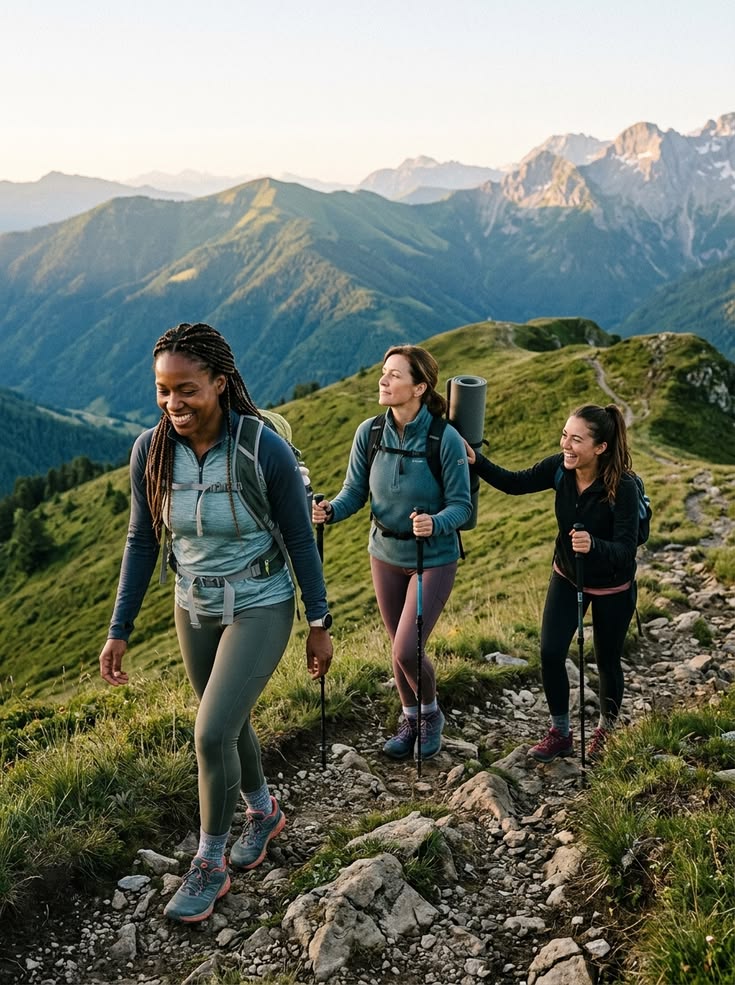
Your clothing requirements change depending on how physically demanding your activity is.
A gentle sightseeing walk may require more insulation than a steep hike because your body produces less heat. Conversely, intense activity may require lighter layers even in cool weather.
Match Layers to Activity
| Activity | Suggested Approach |
|---|---|
| City walking | Base layer + light jacket |
| Easy hiking | Base + fleece + waterproof |
| High-intensity hiking | Lightweight base + breathable mid layer + shell |
| Camping | Base + insulating layer + waterproof shell |
| Winter walking | Thermal base + insulation + waterproof outer |
| Cycling | Moisture-managing base + windproof layer + weather protection |
The exact combination should always reflect the forecast, terrain and your personal comfort.
Use Accessories as Part of Your Layering System
Small accessories can provide significant additional weather protection without requiring another heavy clothing layer.
For changing conditions, consider carrying:
- Warm hat
- Lightweight gloves
- Waterproof gloves
- Wool or technical socks
- Sunglasses
- Packable rain cover
These items are easy to store in a backpack and can be added when conditions change.
Choose Materials Carefully
Different fabrics perform differently outdoors. Understanding their basic characteristics can make shopping easier.
Common Outdoor Fabrics
Merino wool: Warm, comfortable and useful for temperature regulation.
Synthetic fabrics: Generally lightweight, quick-drying and practical for active use.
Fleece: Provides insulation while remaining relatively lightweight.
Softshell fabrics: Offer flexibility, wind resistance and some protection from light moisture.
Waterproof membranes: Designed to provide stronger protection from rain while allowing varying levels of moisture vapour to escape.
No single material is perfect for every condition, so combining different fabrics through layering is often more practical.
Frequently Asked Questions
What are the three main outdoor clothing layers?
The three basic layers are a moisture-managing base layer, an insulating mid layer and a protective outer layer. Together, they help manage moisture, warmth and changing weather.
Is a fleece layer waterproof?
No. Fleece is primarily an insulating material rather than a waterproof outer layer. In wet conditions, pair it with a suitable waterproof shell.
What should I wear for hiking in changing weather?
A practical hiking system usually includes a breathable base layer, insulating mid layer and waterproof outer layer. Adjust the number and thickness of layers according to temperature and activity intensity.
Is merino wool good for outdoor activities?
Merino wool can be a useful base-layer material because it offers warmth and moisture-management properties. It is particularly popular for hiking and cold-weather activities.
Do I need a waterproof jacket in summer?
It depends on the location and forecast. In areas where sudden rain is possible, carrying a lightweight waterproof jacket can provide useful protection without adding much bulk.
Conclusion
The best outdoor clothing layers create flexibility. Rather than relying on one heavy garment, combine a moisture-managing base layer, insulating fleece or other mid layer and protective waterproof outer layer. Start with versatile, breathable pieces that work together rather than buying clothing based solely on appearance. With the right system, you can stay more comfortable whether you’re walking through the countryside, hiking in the mountains or spending a weekend camping.
Ready to prepare for changing weather? Explore outdoor clothing and layering essentials to build a versatile kit for your next adventure.