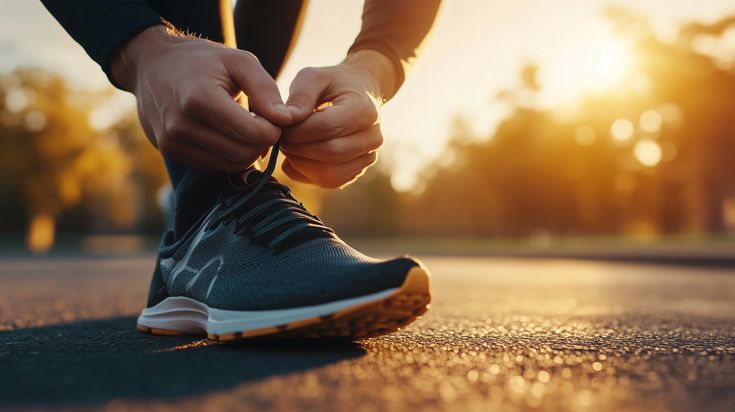
Choosing comfortable sneakers for everyday wear is about more than finding a pair that looks good. The right shoes should support your feet, feel comfortable during extended periods of walking and suit the activities you regularly do. Whether you’re commuting, running errands, exploring a city or pairing sneakers with casual outfits, factors such as cushioning, fit, flexibility, breathability and weight can make a noticeable difference. This guide explains how to choose everyday sneakers that balance comfort, practicality and style.
What Makes Comfortable Sneakers Good for Everyday Wear?
The definition of comfort varies from person to person. Some people prefer soft, highly cushioned soles, while others prefer firmer footwear that provides a more stable feeling underfoot.
For everyday use, look for a combination of:
- Comfortable cushioning
- Secure heel support
- Adequate toe space
- Flexible construction
- Durable outsole
- Suitable arch and foot support
A sneaker doesn’t need to have the thickest sole or the most advanced technology to be comfortable. What matters most is whether the shoe matches your foot shape and your everyday routine.
Start With the Right Sneaker Fit
Sneaker fit should be your first priority. Even a well-made shoe can become uncomfortable if it is too narrow, too loose or too short.
Your toes should have enough room to move naturally without your foot sliding excessively inside the shoe. The heel should feel secure without being painfully tight.
Check the Fit Before Buying
- Stand while checking the size.
- Leave some room around your longest toe.
- Make sure your toes aren’t compressed.
- Check that the heel does not slip excessively.
- Walk around to identify pressure points.
- Wear the socks you normally use with sneakers.
Feet can also change slightly throughout the day, so trying shoes later in the day can help you assess how they feel when your feet are not at their smallest.
Choose Cushioning Based on Your Routine
Cushioning affects how a shoe feels during walking and standing. If you spend several hours on your feet, additional cushioning may make your comfortable sneakers feel more pleasant throughout the day.
However, maximum cushioning isn’t automatically the best choice. Some people prefer a more responsive and stable platform.
Think about your routine before choosing.
If you regularly:
- Walk long distances
- Commute on foot
- Spend hours standing
- Travel frequently
- Run everyday errands
you may benefit from a sneaker with noticeable cushioning and a supportive midsole.
For mostly seated or short-distance use, you may not need as much cushioning.
Look for Lightweight Shoes
Heavy footwear can become tiring when worn for long periods. Lightweight shoes can be particularly useful for people who walk frequently or travel with limited luggage space.
A lightweight sneaker can make it easier to move around throughout the day without adding unnecessary weight.
But don’t judge a shoe only by its weight. Extremely lightweight construction may sometimes involve compromises in durability or support.
A good everyday sneaker should balance:
Low weight + adequate cushioning + durability + support
rather than focusing exclusively on one characteristic.
Consider Breathability
Breathable materials can help make casual footwear more comfoShop Comfortable Sneakersrtable in warm weather. This is especially relevant for shoppers in Australia, where summer temperatures can make enclosed footwear feel warm during extended outdoor activities.
Mesh and other ventilated materials can allow greater airflow, while leather and synthetic constructions may offer different benefits in terms of durability and appearance.
For Warm Weather, Consider:
- Breathable mesh
- Ventilated panels
- Moisture-managing linings
- Lightweight construction
- Removable or breathable insoles
If you live in a cooler climate or frequently encounter wet conditions, you may prefer a more protective upper instead.
Check the Outsole and Traction
The outsole is responsible for contacting the ground, so its design can influence grip and durability.
If you wear sneakers across different environments, choose an outsole that provides appropriate traction without making the shoe unnecessarily stiff.
For everyday urban use, consider where you’ll normally wear the shoes:
- Pavements
- Shopping centres
- Public transport stations
- Parks
- Office environments
- Travel destinations
A casual sneaker designed for smooth indoor surfaces may not provide the same traction as footwear designed for outdoor walking.
Choose Flexible Shoes for Walking
Everyday movement involves constant changes in direction and pace. A sneaker with some flexibility can make walking feel more natural.
Try bending the shoe gently at the forefoot rather than twisting it excessively. The shoe should provide structure while allowing appropriate movement.
Walking shoes often prioritise flexibility, cushioning and support, making them useful references when choosing sneakers for active everyday routines.
However, don’t assume every walking shoe will suit your style. Modern lifestyle shoes can combine walking comfort with a more casual appearance.
Consider Your Foot Shape
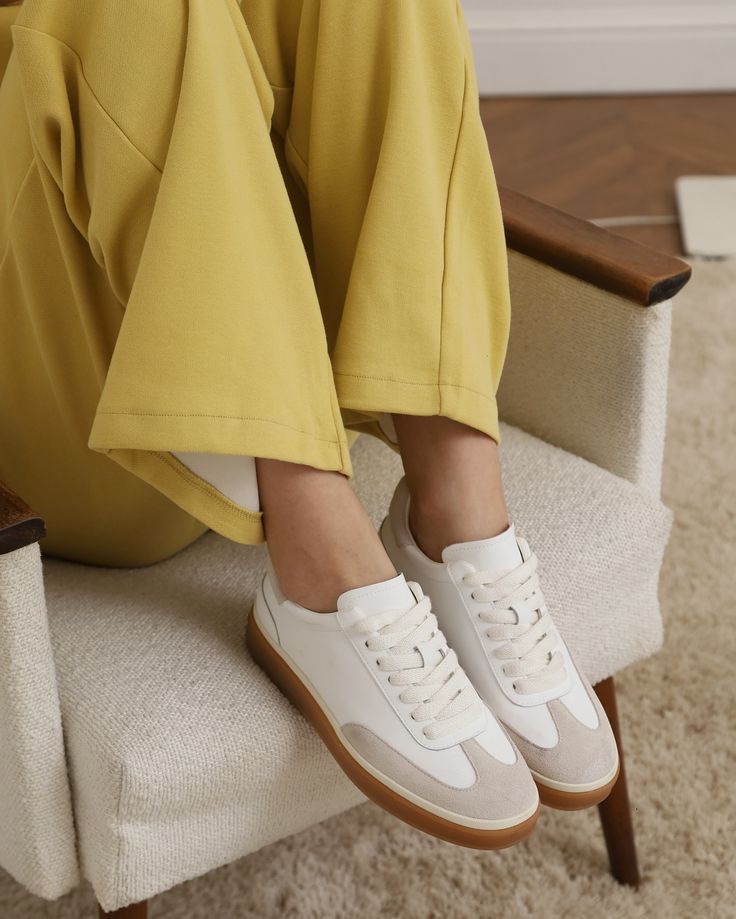
Not every sneaker has the same shape. Some models are narrow, while others provide a broader toe box.
If you have wider feet, don’t simply increase the shoe size to create additional width. A longer shoe can cause your heel to move excessively while still failing to provide the right width.
Instead, look for designs specifically available in wider fits when appropriate.
Your feet may also differ slightly from each other, so fit both shoes and pay attention to the larger foot.
Think About Your Everyday Style
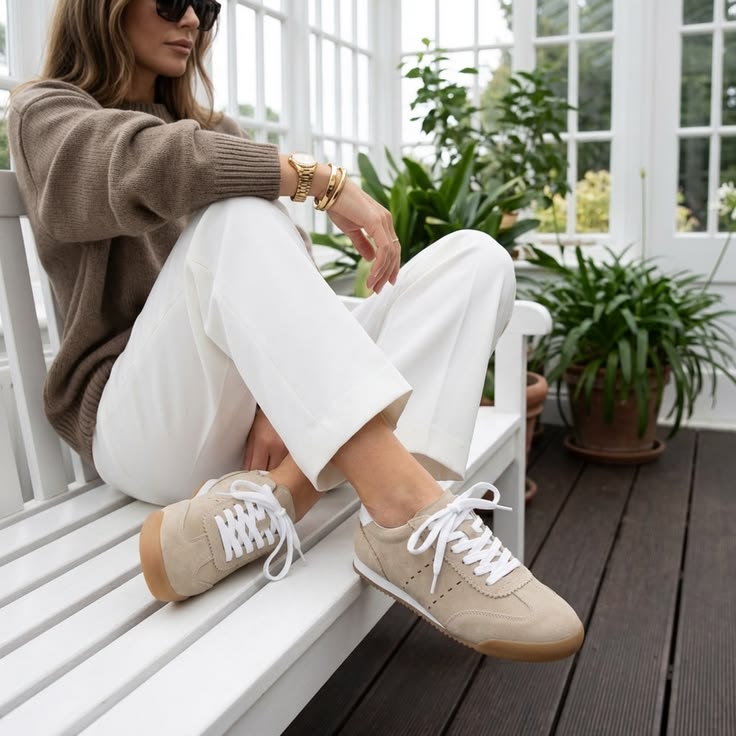
Comfort doesn’t mean sacrificing appearance. Streetwear, casual outfits and modern lifestyle fashion have made sneakers a versatile part of everyday wardrobes.
Neutral colours such as white, black, grey or beige can work with a wide range of clothing. More colourful designs can add personality to simple outfits.
Consider whether the sneakers will work with the clothes you already own.
A versatile pair can be worn with:
- Jeans
- Chinos
- Shorts
- Casual trousers
- Joggers
- Everyday dresses
- Relaxed streetwear
Choosing a design that works across several outfits can also reduce the need to own multiple pairs.
Examine the Upper Materials
The upper influences comfort, durability and appearance. Different materials suit different lifestyles.
Mesh can provide ventilation, while leather can offer a structured appearance and potentially easier cleaning. Synthetic materials can provide a balance between weight, durability and price.
Before buying, consider where you’ll use the sneakers most often.
For example, frequent travellers may prioritise easy-care materials, while someone looking for office-friendly everyday footwear may prefer a cleaner, more structured design.
Frequently Asked Questions
What makes sneakers comfortable for everyday wear?
Comfortable sneakers generally provide an appropriate fit, cushioning, support, flexibility and breathability. The best combination depends on your foot shape and how you use the shoes.
How should everyday sneakers fit?
Your toes should have enough space to move without touching the front of the shoe. The heel should remain relatively secure, and there should be no painful pressure points when walking.
Are lightweight sneakers better for everyday use?
Lightweight sneakers can feel less tiring during long periods of walking, but weight should be balanced with cushioning, support and durability.
Are sneakers suitable for long-distance walking?
Some everyday sneakers can work well for extended walking if they provide sufficient cushioning, support, traction and a comfortable fit. Dedicated walking shoes may be preferable for frequent long-distance walking.
How do I choose sneakers for hot weather?
Look for breathable materials, ventilation and lightweight construction. Mesh uppers can be useful when airflow is a priority, particularly in warmer Australian conditions.
Conclusion
Choosing comfortable sneakers for everyday wear comes down to finding the right balance between fit, cushioning, weight, flexibility, breathability, traction and durability. For shoppers in Australia, factors such as warm weather, walking habits and urban environments can make breathable, lightweight and versatile footwear particularly useful. Whether you’re looking for casual footwear for errands or everyday sneakers for commuting and travel, prioritise comfort that lasts beyond the first few minutes of trying them on.
Ready to upgrade your everyday footwear? Explore a range of comfortable sneakers and lifestyle shoes to find a pair that fits your routine, style and walking needs.