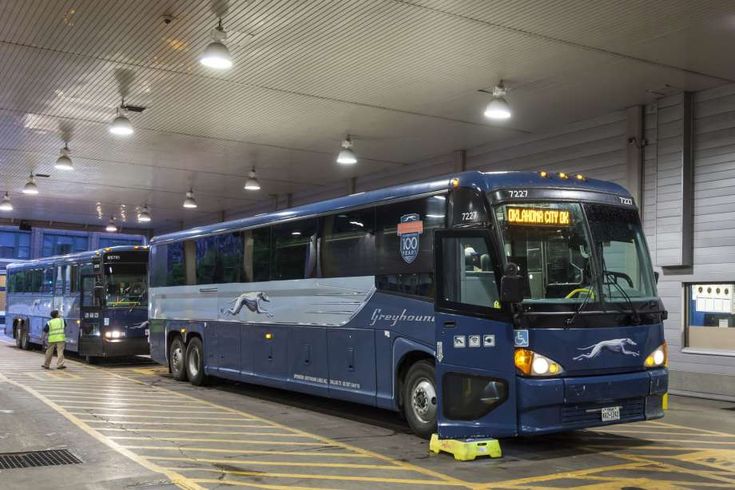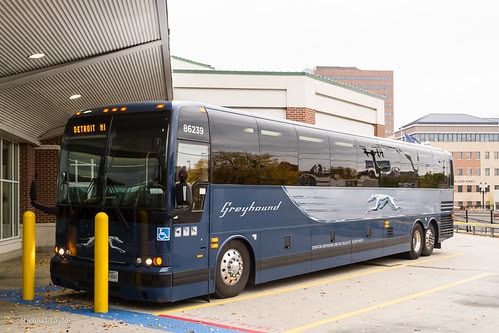
Greyhound rest stops can be an important part of planning a comfortable long-distance bus journey. When traveling for several hours between cities in the United States, passengers need to think beyond departure and arrival times. Breaks, transfers, meal opportunities, and time between connecting buses can all affect how relaxed and prepared you feel throughout the trip.
Unlike a nonstop car journey where you control when to stop, bus travel follows a scheduled route. Some journeys may involve scheduled breaks, while others may include a transfer at a bus station. Understanding the difference between Greyhound rest stops, Greyhound layovers, and ordinary stops can help travelers plan meals, bathroom breaks, luggage needs, and connections more effectively.
What Are Greyhound Rest Stops?
Greyhound rest stops generally refer to breaks or stopping points during longer journeys where passengers may have an opportunity to leave the bus or access facilities, depending on the specific route and operating schedule.
The exact experience can vary. A stop may be brief, while a longer scheduled break or transfer can provide more time to stretch, use facilities, purchase food, or prepare for the next part of the journey.
Passengers should always follow instructions from the driver or station staff because departure times can change and buses will not necessarily wait for passengers who leave the designated area.
What Passengers May Need During a Break
A short break can be much easier when essentials are immediately accessible.
Consider keeping these items in your personal bag:
- Phone and charging cable
- Wallet and identification
- Water bottle
- Small snacks
- Prescription or essential personal items
- Travel documents
- Headphones
- Hand sanitizer
Avoid placing essential items in checked luggage if you expect to need them during the journey.

Greyhound Layovers vs. Rest Stops
Understanding Greyhound layovers is particularly important when planning a trip involving more than one bus.
A rest stop is generally associated with a pause during a journey, while a layover can involve waiting between scheduled bus segments. A layover may occur at a bus station where passengers transfer from one bus to another.
The difference matters because a layover may provide more time for:
- Changing buses
- Finding food
- Using restrooms
- Charging devices
- Checking departure information
- Stretching after a long ride
However, the duration and location of a layover depend on the itinerary. Travelers should check their specific booking rather than assuming every route includes the same type of break.
Planning Greyhound Bus Breaks on Long Routes
Good preparation can make Greyhound bus breaks much less stressful. Before departure, review your itinerary and identify where transfers or longer stops are scheduled.
For a long-distance trip, note:
- Departure station and time
- Arrival station or transfer point
- Connecting bus departure time
- Layover duration
- Whether the itinerary involves a bus change
- Expected arrival time at the final destination
This information helps you understand whether you have enough time for a meal, restroom visit, or other necessities.
Keep Your Schedule Flexible
Bus travel can be affected by traffic, weather, road conditions, and operational changes. A planned 45-minute connection, for example, should not be treated like guaranteed free time if the first bus is delayed.
Build your plans around the official itinerary and remain attentive to announcements throughout the journey.
Meal Stops and Food Planning
Meal stops can be one of the most useful parts of a long-distance bus trip, but passengers should not assume that every stop will provide a full restaurant or extended dining opportunity.
Food availability can vary considerably depending on where a bus stops.
For longer journeys, consider carrying travel-friendly food such as:
- Granola or protein bars
- Crackers
- Nuts
- Dried fruit
- Sandwiches
- Packaged snacks
- A refillable water bottle
If you have dietary restrictions, planning ahead becomes even more important. Food options at bus stations and stops may be limited compared with larger airports or major transportation hubs.
Greyhound Rest Stops and Bus Transfers
Transfers require more attention than ordinary breaks because you may need to move from one bus to another within a specific time window.
When approaching a transfer location, keep your ticket information and personal belongings accessible. Listen carefully for announcements and confirm the departure information before leaving the designated area.
What to Do During a Transfer
Use your transfer time efficiently:
- Confirm the connecting bus and destination.
- Check the departure information.
- Locate the correct boarding area.
- Use the restroom early.
- Purchase food if necessary.
- Charge your phone when facilities allow.
- Keep an eye on your belongings.
- Return to the boarding area before departure.
If your layover is short, prioritize the essentials rather than trying to complete several errands.
Making Long-Distance Bus Trips More Comfortable
The best way to manage long-distance bus trips is to prepare for different stages of the journey rather than focusing only on the destination.
A simple comfort strategy includes:
- Wear comfortable clothing and shoes.
- Keep a light layer available because temperatures can vary.
- Bring water and snacks.
- Carry portable entertainment.
- Keep essential medication accessible.
- Charge devices before departure.
- Use stops to stretch and move around.
- Set reminders for important transfer times.
Short periods of movement during longer journeys can make sitting for several hours more manageable.
Route Planning for Connecting Buses
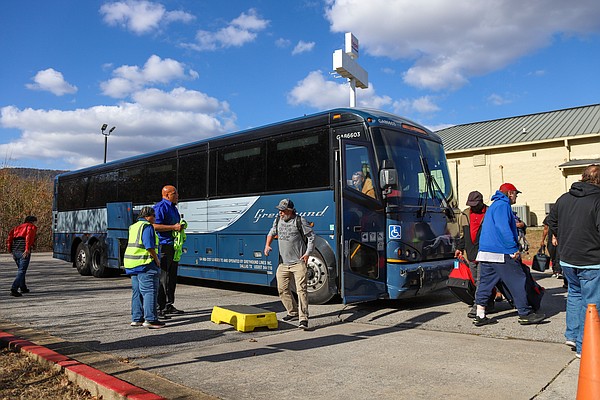
Route planning becomes especially important when an itinerary contains multiple connecting buses. A traveler should know which city or station represents each transfer point and how much scheduled time exists between buses.
Do not assume that every transfer provides enough time for a full meal or extended sightseeing. Layover time should primarily be treated as connection time.
For complicated itineraries, keep a simple note containing:
| Trip Detail | What to Record |
|---|---|
| Starting point | Departure station |
| First bus | Departure and arrival |
| Transfer | Station and city |
| Connection | Next bus and departure time |
| Final segment | Destination |
| Final arrival | Expected arrival time |
This makes it easier to follow the journey when traveling through multiple cities.
FAQ About Greyhound Rest Stops
Do Greyhound buses make rest stops?
Stops vary by route and itinerary. Some journeys may include scheduled breaks, while others may involve transfers or station stops. Check the specific trip details and follow instructions from Greyhound staff.
How long are Greyhound layovers?
There is no single standard layover duration. The time depends on the itinerary, route, connecting bus schedule, and operational circumstances.
Can I get food during a Greyhound bus break?
Potentially, depending on the location and duration of the stop. Because food availability varies, carrying suitable snacks is a practical backup.
Can I leave the bus during a rest stop?
Passengers may be permitted to leave the bus at designated stops, but they should follow driver or station instructions and return before the scheduled departure time.
What should I do during a Greyhound layover?
Confirm your connecting bus, check the departure information, use the restroom, get food or water if needed, charge your device where possible, and return to the boarding area early.
Conclusion: Plan Smarter Around Greyhound Rest Stops
Greyhound rest stops and layovers can make long-distance bus travel more manageable when passengers understand how breaks and transfers fit into their itinerary. The key is to distinguish between a short scheduled stop, a longer station break, and a Greyhound layover involving a connecting bus.
Plan meals and personal needs ahead of time, keep essential belongings with you, monitor your connecting-bus information, and avoid relying on every stop having extensive facilities. With practical route planning, even a multi-city journey can feel considerably easier to manage.
Planning your next long-distance trip? Explore Greyhound routes and organize your journey around its scheduled stops, transfers, and travel breaks.