







“Sneakers are no longer just a part of the outfit; they are the outfit. But knowing what to put on your feet requires knowing exactly where you intend to go.”
For Gen Z and the modern urban professional, the rules of footwear have been entirely rewritten. We have entered an era where wearing a crisp pair of sneakers to a boardroom meeting or a high-end dinner is not just acceptable, it is expected. Sneakers are the new cultural currency. They signal your aesthetic, your allegiances, and your awareness of the zeitgeist.
But as the sneaker market explodes with weekly releases, high-profile collaborations, and technological breakthroughs, navigating a drop can feel like a full-time job. This is where Netshoes has emerged as a premier destination. With a massive inventory that bridges the gap between high-performance athletic gear and highly coveted lifestyle silhouettes, Netshoes is the digital battleground for securing the latest releases from titans like Nike and adidas.
However, before you hit “Add to Cart” on the newest drop, you need to establish your intention. Are you buying a shoe to shave minutes off your marathon PR, or are you buying a shoe to anchor your streetwear fit? Mixing the two up can lead to shin splints on the track or a clunky, mismatched aesthetic on the street.
Here is your ultimate editorial guide to navigating the latest sneaker drops on Netshoes, breaking down the crucial differences between marathon machines and street-style staples.
The Dichotomy of the Drop: Form vs. Function
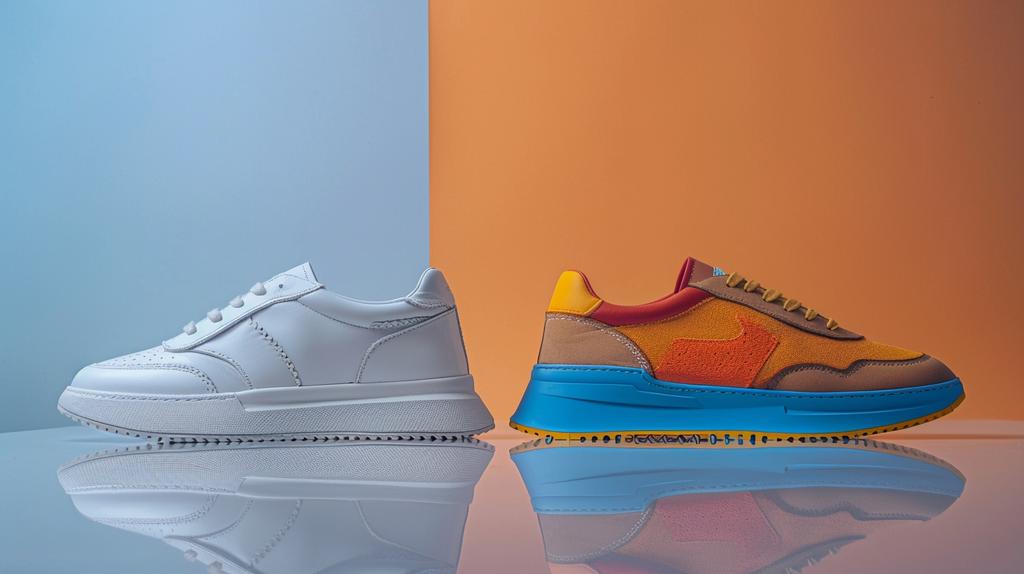
It is a common misconception among casual buyers that a “running shoe” and a “sneaker” are the exact same thing. While the lines have certainly blurred, thanks to the massive surge of the “Y2K runner” aesthetic in streetwear, the engineering behind these two categories is fundamentally different.
When you log onto Netshoes to hunt for a drop, you are generally looking at two distinct evolutionary branches of footwear.
Branch 1: The Marathon Machine (Performance)
Performance running shoes are feats of modern engineering. They are designed with singular goals: forward propulsion, energy return, and injury prevention. When you buy a running shoe, you are paying for the invisible technology hidden within the midsole.
- The Midsole Foam: Marathon shoes use hyper-responsive, lightweight foams (like Nike’s ZoomX or adidas’ Lightstrike Pro). These materials are designed to compress and snap back, returning energy to your legs with every stride.
- The Carbon Plate: The modern marathon drop almost always features a rigid carbon-fiber plate embedded in the foam. This acts like a springboard, propelling the runner forward and reducing fatigue over 26.2 miles.
- The Upper: Running shoes feature engineered mesh or ultra-thin synthetic weaves designed to drop weight and maximize breathability. They prioritize locking the foot in place to prevent blisters.
- The Outsole: Strategically placed rubber meant to grip the asphalt in wet conditions while keeping the overall weight of the shoe as low as possible.
Branch 2: The Street Style Flex (Lifestyle)
Streetwear sneakers prioritize silhouette, heritage, and cultural cachet. While they are comfortable enough for a daily commute or standing at a concert, they are not built for athletic performance. You are paying for the design, the colorway, and the history of the shoe.
- The Materials: Street style shoes lean heavily into premium materials. Think buttery suede, full-grain leather, nubuck, and heavy canvas. These materials look incredible and age beautifully, but they are heavy and trap heat, making them terrible for running.
- The Midsole: Lifestyle sneakers generally rely on older, heavier cushioning technologies (like traditional EVA foam, encapsulated Air units, or standard rubber cup-soles). They provide stability and all-day casual comfort, but lack the “bounce” required for running.
- The Silhouette: Streetwear demands versatility. The shoes are designed to pair perfectly with wide-leg trousers, cargo pants, or raw denim.
If you try to run a 10K in a pair of heavy leather lifestyle sneakers, your feet will inevitably suffer. Conversely, wearing a neon, carbon-plated marathon shoe with a tailored suit to a creative agency interview might make you look like you forgot to change after your morning jog.
Navigating the Nike Drops on Netshoes
Nike remains the undisputed heavyweight champion of the sneaker world. They simultaneously dominate the world marathon majors and the global streetwear market. When browsing Netshoes for the Swoosh, here is how to separate the track from the street.
For the Marathoner: The Alphafly and Vaporfly Series
If you are logging onto Netshoes looking for a PR, you are hunting for Nike’s premium racing line. The Nike Vaporfly and Nike Alphafly series revolutionized long-distance running.
- Why they drop hard: These shoes are packed with ZoomX foam and Flyplate technology. They are ultra-lightweight and aggressively shaped.
- The Fit: They fit incredibly snug and have a high stack height that feels almost unstable when walking, but propels you like a rocket when you hit a 7-minute mile pace. Netshoes frequently stocks the latest high-visibility colorways of these marathon staples.
For the Urban Professional: The Dunk and The Air Force 1
If your daily marathon consists of running from the subway to the coffee shop and then into the office, you need heritage.
- The Nike Dunk Low: Originally a 1980s basketball shoe, the Dunk Low is currently the king of casual streetwear. Its flat sole and classic color-blocking make it the most versatile shoe in a Gen Z wardrobe. Netshoes frequently gets allocations of high-demand Dunk drops.
- The Air Force 1: The all-white AF1 is a cultural icon. It is the blank canvas of street style. It pairs with everything from sweatpants to summer dresses. It features a heavy, durable leather upper and a thick rubber sole. It is heavy, bold, and entirely meant for the concrete runway.
Pro Tip for Netshoes: Look out for the Nike Vomero or Nike P-6000. These are the “bridge” shoes. They are retro early-2000s running shoes that have been co-opted by the streetwear community. They offer the comfort of a running shoe with the chunky, metallic aesthetic demanded by modern street style.
Navigating the adidas Drops on Netshoes
adidas operates on a similar dual-frequency, balancing their rich European sportswear heritage with cutting-edge German engineering. Their drops on Netshoes are highly anticipated by both elite athletes and fashion-forward urbanites.
For the Marathoner: The Adizero Franchise
If you are putting in road miles, the adidas Adizero Adios Pro is your target.
- Why they drop hard: Instead of a traditional carbon plate, adidas uses “EnergyRods”, carbon-infused rods that mimic the metatarsal bones of the foot. Combined with their incredibly resilient Lightstrike Pro foam, these shoes are designed to shatter world records.
- The Fit: They feature a translucent, ultra-thin upper that looks fast even when sitting in the box. When Netshoes drops a new colorway of the Adios Pro, serious runners buy them in multiples.
For the Urban Professional: The Terrace Classics (Samba, Gazelle, Campus)
You cannot walk through a trendy neighborhood in any major city right now without seeing the adidas “Terrace” aesthetic. These were originally designed as indoor soccer shoes in the mid-20th century, but they have completely taken over Gen Z fashion.
- The adidas Samba OG: This is the “It” shoe of the decade. Featuring a low-profile gum sole, a leather upper, and the iconic suede T-toe, the Samba is the ultimate minimalist streetwear staple.
- The adidas Campus 00s: If you prefer the chunky, oversized skater aesthetic of the early 2000s, the Campus 00s features fat laces and heavy suede.
- The Function: These shoes offer zero running support. They are flat, close to the ground, and built for aesthetic appeal. Netshoes is a prime destination for catching restocks of the highly coveted black/white and white/black Samba colorways.
The Sneakerhead’s Strategy: How to Win on Netshoes
Securing a highly anticipated drop requires more than just showing up to the website on release day. The Netshoes platform is highly trafficked, and the most coveted Nike Dunks or adidas Sambas can sell out in minutes. Here is the strategy for the urban professional and the sneakerhead to secure the bag.
1. Account Preparation is Everything
Do not wait until the minute of the drop to create a Netshoes account. Ensure your profile is fully filled out. Have your exact shoe size saved, your primary shipping address verified, and your preferred payment method linked. The difference between a successful checkout and a “Sold Out” screen is often measured in seconds.
2. The Wishlist Strategy
If you know a shoe is dropping, or if you are waiting for a restock of a classic lifestyle shoe, add the specific item in your specific size to your Netshoes wishlist. This streamlines the navigation process on drop day, allowing you to bypass the search bar and go directly to your curated list.
3. App Notifications Over Email
Email newsletters are great for discovering new trends, but they are too slow for drop day. Download the Netshoes mobile app and enable push notifications specifically for sneaker releases. App infrastructure often processes checkouts faster than mobile browsers during high-traffic drops.
4. Understand Your Sizing
Nothing is more heartbreaking than copping a rare drop only to find it doesn’t fit.
- Performance Running: You generally want to go a half-size up in marathon shoes (like the Alphafly or Adios Pro) because your feet will swell during long-distance runs.
- Street Style: Lifestyle shoes like the Air Force 1 traditionally run slightly large (many go down a half size), while adidas Sambas tend to run narrow. Do your research before the drop happens.
Netshoes provides the platform, the inventory, and the access to both ends of the spectrum. Stop buying running shoes for the club, and stop running in heavy leather lifestyle sneakers. Know your drop, know your platform, and step out with intent.