








“A closet full of clothes and nothing to wear is a symptom of the fast-fashion era. A wardrobe full of intention, however, is the ultimate professional power move.”
In the modern professional landscape, our wardrobes are working harder than ever. We need outfits that transition seamlessly from a high-stakes client Zoom call in the morning to an in-person strategy session in the afternoon, and perhaps a sustainable networking event in the evening. But as we build these “digital empires” and professional identities, a new requirement has surfaced: Conscience.
The shift toward sustainability is no longer a fringe movement; it is a core component of professional aesthetics. For the modern analyst, consultant, or entrepreneur, wearing clothes that align with environmental values isn’t just about “looking good”, it’s about integrity. However, the barrier to entry often feels high. Where do you find high-quality, eco-certified basics that don’t look like “hippie-wear” but rather “executive-wear”?
The answer lies in a platform many Austrians already know, but few have mastered for its sustainable potential: OTTO AT. As part of the global Otto Group, the platform has become a surprisingly robust hub for eco-conscious fashion. This guide explores how to navigate OTTO AT’s sustainability labels to build a sharp, durable capsule wardrobe that respects both the planet and your professional reputation.
The Philosophy: Why “Sustainable” is the New “Professional”
For decades, professional attire was synonymous with “more.” More suits, more ties, more seasonal trends. But the solopreneur and the modern corporate leader have realized that “more” is actually a distraction. Decision fatigue is real, and the time spent agonizing over a mismatched blazer is time stolen from your business.
Enter the Sustainable Capsule Wardrobe.
A capsule wardrobe is a curated collection of a few essential items that don’t go out of style and can be augmented with seasonal pieces. When you marry this with sustainability, you create a “circular” professional image. You aren’t just buying a shirt; you are investing in a piece of clothing with a transparent supply chain, reduced water usage, and fair labor practices.
On OTTO, the goal is to filter out the noise and find the “Hero Pieces”, those items that form the foundation of your daily uniform.
Decoding the Otto Group’s Green Mission
Before we click “Add to Basket,” it’s important to understand the weight behind the labels. The Otto Group has been a pioneer in corporate environmentalism long before it was a marketing buzzword. Their “Good meets You” initiative is a testament to their goal of making 100% of their own brands sustainable.
When you shop on OTTO, you aren’t just looking at generic “green” claims. You are looking for specific, verified certifications. Understanding these is the first step to building a wardrobe that lasts.
The Labels to Look For:
- Cotton made in Africa (CmiA): This is one of the world’s leading standards for sustainably produced cotton from Africa. It focuses on environmental protection and improving the living conditions of smallholder farmers.
- GOTS (Global Organic Textile Standard): The gold standard for organic fibers. If a shirt on OTTO AT carries the GOTS label, it means it contains at least 70% organic fibers and meets strict ecological and social criteria.
- FSC® Certified: Essential for those trendy “wood-based” fibers like Tencel™ or Lyocell. This ensures the wood comes from responsibly managed forests.
- Bluesign® PRODUCT: This indicates that the item was manufactured with the lowest possible impact on people and the environment, focusing on chemical safety.

Strategy: Filtering for Excellence on OTTO
Navigating a massive e-commerce site like OTTO AT can feel like searching for a needle in a haystack, unless you know where the filters are. To build your capsule wardrobe efficiently, follow this tactical approach:
1. Use the “Nachhaltigkeit” (Sustainability) Filter
On the left-hand sidebar of the OTTO AT clothing categories, you will find a filter labeled “Nachhaltigkeit.” Select this immediately. This narrows the thousands of options down to pieces that carry the certifications mentioned above.
2. Prioritize “Eigenmarken” (Own Brands)
Otto’s own brands; like LASCANA, VIVANCE, or ocean-apart; often have the most rigorous adherence to the group’s sustainability goals. These brands frequently offer the “basics” that form the spine of a capsule wardrobe: high-quality t-shirts, tailored trousers, and knitwear.
3. Look for Material Composition
A sustainable capsule thrives on natural fibers. Seek out:
- Organic Cotton: For breathability during long office hours.
- Recycled Polyester: Often found in outerwear and blazers on OTTO, giving a second life to plastic waste.
- Lyocell/Tencel: The “holy grail” for professional women’s wear, it has a silky sheen but is entirely plant-based and biodegradable.
The “Empire Builder” Essentials: What to Buy
If you are starting from scratch or auditing your current closet, these are the five pieces you should source from OTTO’s eco-friendly collections. These pieces are designed to bridge the gap between “working from home” and “meeting the CEO.”
The “Power” Blazer in Recycled Crepe
A blazer is the ultimate professional shortcut. You can wear a simple white tee underneath, but the moment you throw on a structured blazer, you are “meeting-ready”. Look for options on OTTO that use recycled outer fabrics. The goal is a neutral tone, navy, charcoal, or camel, that coordinates with everything else you own.
The Organic Cotton “Perfect” Shirt
Whether it’s a crisp button-down or a high-quality crew neck, the material matters. Organic cotton feels better against the skin during a 12-hour workday and doesn’t pill as easily as synthetic blends. Search for the GOTS label here to ensure no toxic pesticides were used in the making of your “uniform.”
The Sustainable Tailored Trouser
The modern professional needs trousers with a bit of stretch (for comfort) but a sharp silhouette (for authority). OTTO often stocks trousers with Tencel™ blends. These provide a beautiful drape and are naturally wrinkle-resistant, a must-have for the professional who travels.
The Ethical Knit
A high-quality cardigan or sweater in a fine-gauge knit is the “remote work” equivalent of a blazer. It provides warmth and texture without looking sloppy. Look for the Responsible Wool Standard (RWS) on OTTO to ensure the sheep were treated humanely.
The “Clean” Sneaker or Chelsea Boot
Yes, even footwear is part of the capsule. OTTO features several brands that utilize chrome-free leather or vegan alternatives. A clean, white sustainable sneaker is now perfectly acceptable in most professional “business casual” environments.
The Economic Argument: Cost-Per-Wear
Critics of sustainable fashion often point to the higher price tag. However, for a professional, the math tells a different story. This is the Cost-Per-Wear (CPW) formula:
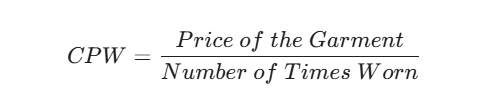
A €15 “fast-fashion” shirt that loses its shape after three washes has a high CPW and a high environmental cost. A €45 organic cotton shirt from OTTO that stays crisp for three years (approximately 150 wears) has a CPW of just €0.30.
Building a sustainable capsule wardrobe is, at its heart, a financial strategy. You are buying durability. You are buying a “proven” aesthetic that doesn’t need to be replaced when the next trend cycle hits.
How to Maintain Your Sustainable Investment
Once you’ve curated your OTTO eco-basics, the sustainability journey continues in your laundry room. To ensure these pieces last for the “long haul” of your career:
- Wash Less, Air More: Natural fibers like wool and high-quality cotton don’t need to be washed after every wear. Hanging them up in a well-ventilated area often does the trick.
- Cold Water is Your Friend: Most eco-friendly fabrics prefer cold water, which also saves energy.
- Skip the Dryer: Heat is the enemy of fiber integrity. Air-drying your capsule pieces will keep them looking new for years.
The Intentional Professional
Building a sustainable capsule wardrobe on OTTO is an act of intentionality. It is a refusal to participate in the “disposable” culture that treats clothing, and the people who make it, as an afterthought.
By utilizing the filters, looking for the GOTS and CmiA labels, and focusing on high-quality basics, you aren’t just cleaning up your closet. You are streamlining your life. You are ensuring that when you step into a meeting, your clothes speak to your competence, your style, and your commitment to a better future.
Your wardrobe is the visual business card of your digital empire. Make sure it says something worth hearing.