






Affiliate Disclosure: Just a quick heads up, this article contains some affiliate links. If you come across something you like and decide to buy, we may earn a small commission at no extra cost to you. It simply helps us keep doing what we love, testing, researching, and sharing what’s genuinely worth your time.
Streaming has changed the way people watch movies and shows, but most people still don’t realize that streaming libraries are different in every country. A show available on Netflix in one country might not exist in another. The same applies to Disney+ and Prime Video. This is because streaming platforms license content region by region.
So when people hear that someone in another country has more shows or different movies on the same platform, they are usually confused. They are paying for the same subscription but getting a different content library.
Most people don’t realize they are not seeing the full Netflix or Prime Video library.
Some countries have almost double the content compared to others.
This is why many people look for ways to access global streaming libraries, especially if they travel, live abroad, or simply want access to more content.
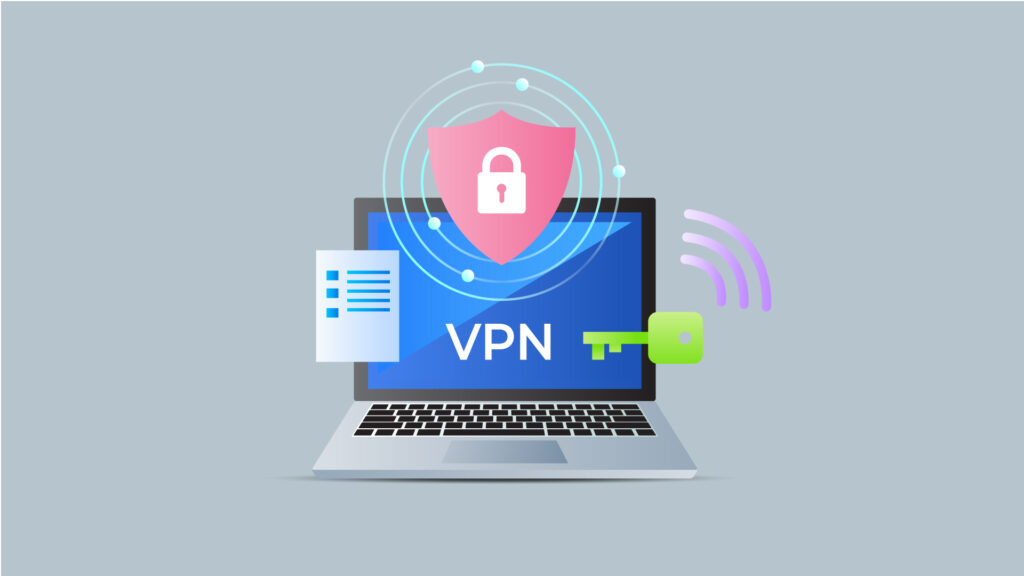
Many streaming users today use secure VPN services to access different content libraries by connecting through different countries.
Why Streaming Libraries Are Different in Every Country
Streaming platforms do not own all the content they show. They license movies and shows from production companies and distributors. These licenses are often sold separately for different countries.
For example, a movie might be licensed to Netflix in one country, but in another country the rights might belong to a different platform. That is why sometimes a show is available on Netflix in one region and on another platform somewhere else.
This system is called geo restriction. The platform checks your IP address to determine your location and then shows you the content library available in that region.
This is where location decides what you can and cannot watch.
Your subscription is the same, but your content library changes based on your country.
This is also why travelers often notice that their Netflix or Prime Video library changes when they visit another country.
How People Access Global Streaming Libraries
To access content from another country, the platform needs to think you are in that country. This is done by changing your IP address location. When your IP address appears to be from another country, the streaming platform shows that country’s library.
This is where VPN services are used. A VPN allows you to connect to servers in different countries, which changes your visible location online.
For example, if you connect to a server in the US, the streaming platform thinks you are in the US and shows the US content library.
This is the trick most frequent travelers and streaming enthusiasts use.
Once you understand this, global content becomes much easier to access.
However, not all VPN services work well with streaming platforms because many streaming platforms try to block VPN servers. This is why people usually choose VPN services that are known to work reliably with streaming platforms and have fast servers in multiple countries.
What Makes a VPN Good for Streaming
Not every VPN is good for streaming. Some are too slow, some get blocked, and some do not have enough servers in different countries.
If streaming is your main goal, here are the things that matter the most:
- Fast servers in multiple countries
- Servers that work with Netflix, Disney+, Prime Video
- Stable connection without buffering
- Unlimited bandwidth
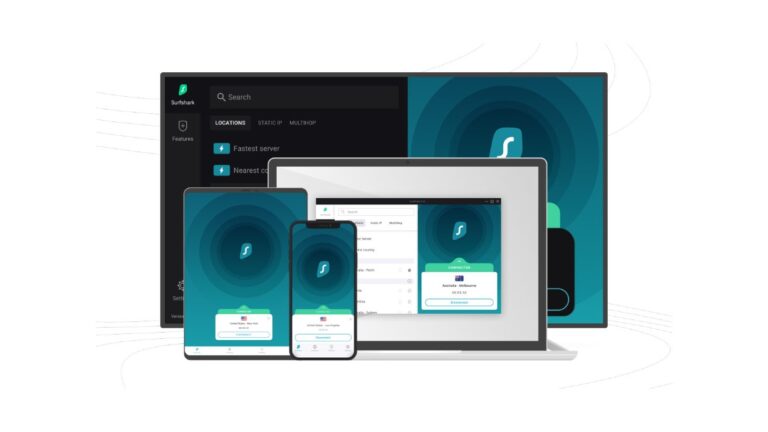
- Apps for smart TV, phone, and laptop
- Multiple device support
Speed matters for streaming, but stability matters even more.
A stable connection with no buffering is more important than raw speed numbers.
People who stream regularly from different regions usually prefer VPN services that offer many global server locations and allow multiple devices so they can use the VPN on smart TVs, laptops, and phones.
Streaming While Traveling
One of the most common problems travelers face is that their favorite shows are not available in the country they are visiting. Sometimes even the shows they were watching at home disappear when they travel.
This happens because streaming platforms automatically switch libraries based on your location.
This is something most people discover only when they travel.
Your streaming library can change the moment you land in another country.
This is why many frequent travelers keep a VPN installed on their devices so they can continue accessing their home country content while traveling. It is also useful for people living abroad who want access to content from their home country.
Streaming, privacy, and public WiFi security are actually the three main reasons why people start using VPN services regularly.
Streaming Is Just One Part of It
Interestingly, many people start using a VPN for streaming but continue using it for privacy and security later. Once people understand that their IP address reveals their location and browsing activity can be tracked, they start using encrypted connections more regularly.
Streaming is usually the reason people start using a VPN.
Privacy and security are the reasons they continue using it.
So even though unlocking streaming libraries is one of the most popular uses of a VPN, it is often just one part of a larger reason why people use VPNs today.
Q&A Section
Can I watch Netflix from another country using a VPN?
Yes, many people use VPN services to connect to servers in different countries and access different Netflix libraries.
Does using a VPN reduce streaming speed?
It can slightly reduce speed, but good VPN services usually maintain speeds fast enough for HD and 4K streaming.
Is it legal to use a VPN for streaming?
VPN usage is legal in most countries, but streaming platform policies regarding VPN usage may vary.
Can I use a VPN on smart TVs?
Many VPN services provide apps for smart TVs or allow setup through routers.
Which countries have the largest Netflix libraries?
The US, UK, Canada, and Japan often have larger content libraries compared to many other regions.
Can I use one VPN account on multiple devices?
Some VPN services allow multiple or unlimited devices on one account, which is useful for streaming on different devices.
So, Is Unlocking Global Content Worth It?
For people who watch streaming platforms regularly, unlocking global content can make a huge difference. You suddenly have access to more movies, more shows, and sometimes even earlier releases depending on the region.
For travelers, remote workers, and people living abroad, it also helps maintain access to home country content and services. And for many people, once they start using encrypted connections for streaming, they also start using them for privacy and security on public WiFi and everyday browsing.
The internet today is very location based. What you see, what you can access, and sometimes even prices depend on your location. Once you understand how location affects your internet experience, tools that give you location flexibility and secure browsing become much more useful in everyday internet use.