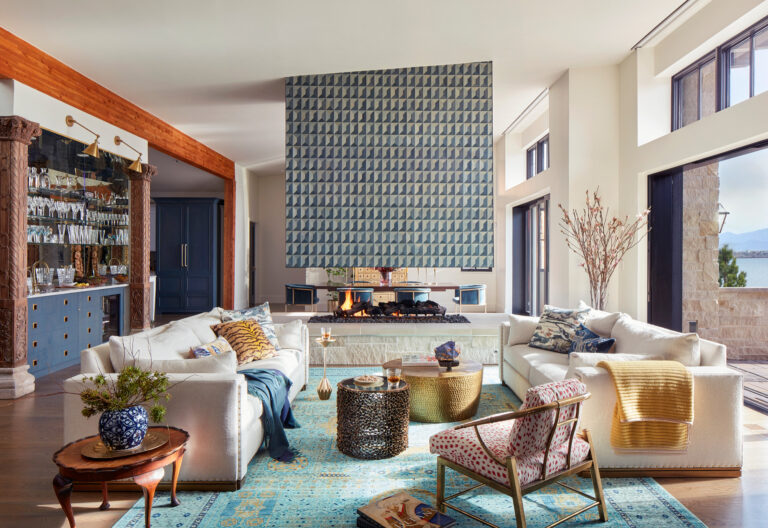








Interior design used to feel out of reach for many people. Without training, expensive software, or professional help, visualizing a finished space was often guesswork. Today, digital design platforms have changed that experience, making planning more accessible than ever. Among these tools, Planner 5D has gained attention for helping users turn ideas into clear, realistic layouts with minimal effort.
Rather than focusing only on professionals, modern interior design tools aim to serve a broad audience. Homeowners, renters, students, and even real estate professionals now rely on visual planning to reduce mistakes and improve outcomes.
The Shift Toward User-Friendly Interior Design Tools
Interior design software has evolved significantly over the past decade. Earlier platforms prioritized technical precision, often requiring training and industry knowledge. While powerful, they weren’t practical for casual users.
Newer tools emphasize:
- Visual clarity over technical complexity
- Drag-and-drop functionality
- Real-time design feedback
- Short learning curves
Planner 5D fits squarely into this modern category, focusing on usability without sacrificing visual realism.
What Makes Planner 5D Easy to Use
Intuitive Layout Creation
Users can draw rooms, add walls, and adjust dimensions with simple controls. This makes it easy to experiment with layouts without worrying about technical errors.
Instant 3D Visualization
Switching from a flat floor plan to a fully rendered 3D view helps users understand space, lighting, and furniture placement more naturally.
Extensive Design Library
Furniture, décor, textures, and materials are readily available, allowing users to build complete interiors without importing external assets.
These features work together to reduce the friction that often discourages beginners from using design software.
Planner 5D vs Interior Design Alternatives (Subtle Comparison)
Many interior design tools focus on either inspiration or technical drafting. Some platforms are excellent for mood boards but lack spatial accuracy. Others deliver precision but feel overwhelming to non-professionals.
Planner 5D takes a balanced approach. It allows users to:
- Start designing immediately
- Gradually refine details
- Focus on visual outcomes rather than technical rules
Compared to more complex alternatives, it removes unnecessary barriers. Compared to simpler tools, it offers deeper customization and realistic visuals. This balance is often what makes it appealing to a mixed, global audience.
Designing Rooms with Confidence
Interior design decisions are expensive to change once implemented. Visual planning helps users feel confident before committing to purchases or renovations.
Using design software allows users to:
- Test furniture sizes before buying
- Explore different color schemes
- Adjust layouts for better flow
- Identify lighting issues early
Planner 5D supports this process by making changes quick and reversible, encouraging experimentation without risk.
Who Uses Planner 5D for Interior Design?
Planner 5D appeals to a wide range of users, including:
- Homeowners redesigning living spaces
- Renters planning temporary layouts
- Students learning design fundamentals
- Property professionals creating visual listings
- DIY decorators refining ideas
Its flexibility means users can work at their own pace, whether planning a single room or an entire home.
Interior Design Trends Supported by Digital Planning
Modern interior design trends often rely on visualization before execution. These include:
- Open-plan living
- Minimalist layouts
- Multifunctional rooms
- Sustainable material choices
Design tools make it easier to test these trends realistically, ensuring they fit both space and lifestyle needs.
FAQs
Is Planner 5D good for interior design beginners?
Yes. The platform is designed to be approachable, even for users with no prior design experience.
Can I experiment with multiple design styles?
Yes. Users can quickly swap furniture, colors, and materials to explore different styles.
Does Planner 5D support realistic room scaling?
Yes. Rooms and objects can be adjusted to reflect real-world dimensions.
How does it differ from inspiration-based tools?
Planner 5D focuses on spatial accuracy and layout, not just visual inspiration.
Is it useful for small apartments?
Absolutely. Small spaces often benefit the most from careful planning.
Can designs be updated over time?
Yes. Projects can be revisited and refined as ideas evolve.
Conclusion
Interior design becomes far less intimidating when ideas can be visualized clearly. Planner 5D offers a practical solution for users who want realistic designs without complex workflows. By blending simplicity with depth, it allows users to plan confidently and make informed decisions, whether for a single room or a full home.