Energy prices are notoriously unpredictable. If the last few years have taught us anything, it’s that relying on stable utility costs is a gamble you are bound to lose. While many homeowners spend thousands on major structural overhauls like multi-pane windows or exterior insulation, the smartest home upgrade in 2026 is one that requires no drilling, takes less than an hour to set up, and pays for itself in a single winter.
We are talking about smart climate automation. As winters grow increasingly erratic, managing a home heating system manually is no longer just inconvenient, it is financially draining. If you are still relying on traditional, dial-based radiator valves, you are essentially letting money bleed through your floorboards.
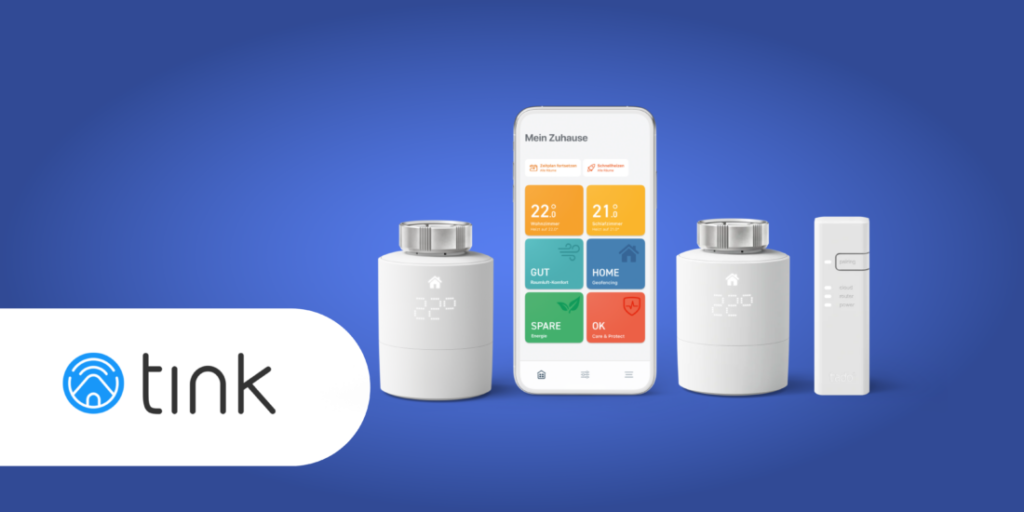
Fortunately, the German smart home marketplace Tink has rolled out aggressive promotional pricing on Europe’s leading heating hardware. By upgrading your system using specialized smart radiator thermostats, you can transition your property from a passive energy consumer into a hyper-efficient, automated ecosystem.
Here is why your home needs a smart heating intervention before the cold weather hits, and how to maximize your savings using the latest tado° systems.
The Invisible Drain: Why Traditional Radiators Are Costing You a Fortune
The fundamental flaw of traditional heating systems is their complete lack of context. A standard mechanical radiator valve operates on a crude dial from one to five. It doesn’t know if you are at work, it doesn’t know if your kids left the back door wide open, and it certainly doesn’t know the difference between a sunny afternoon and a midnight freeze.
When you leave for the morning and forget to turn the dials down, your boiler continues to cycle, pumping expensive hot water through an empty house. If you open a window to let fresh air into a stuffy bedroom, the sudden drop in ambient air temperature tricks a traditional valve into thinking the room has frozen, causing it to open completely and call for maximum heat. You are, quite literally, heating the neighborhood.
Smart radiator thermostats eliminate this structural waste by shifting control from a rigid mechanical spring to an intelligent, internet-connected actuator. By installing individual smart heads on each radiator, you gain granular control over every square meter of your living space.
The Anatomy of Modern Climate Control: Geofencing and Window Detection
The flagship ecosystem leading the market in 2026 is the tado° X series. Unlike previous generations, the tado° X line features future-proof Matter and Thread integration, allowing your heating infrastructure to communicate seamlessly with your existing smart assistants like Apple Home, Google Home, or Amazon Alexa.

When deployed correctly, the system utilizes two core automated mechanics to aggressively suppress your fuel consumption.
1. Advanced Geofencing
Geofencing connects your heating system to the geographical location of your family’s smartphones. When the last person leaves the house boundary, the tado° app automatically drops the entire property into an eco-friendly “Away Mode” temperature.
You no longer have to manually remember to turn off the heat before a weekend trip or a workday. Conversely, as your phone crosses back into the home perimeter, the system utilizes predictive algorithms to pre-heat the living spaces just in time for your arrival. You return to a warm home without having wasted a single watt of energy while you were gone.
2. Intelligent Open-Window Detection
The old method of airing out a room required a conscious effort to twist every radiator valve off, open the windows, and then twist them back on when done. If someone forgot to close the valve, the financial penalty was instant.
The smart thermostats featured in Tink DE’s Heizung (Heating) category utilize sudden drops in temperature and humidity to immediately identify when a room is being ventilated. The moment an open window is detected, the local radiator pauses its heating cycle for a predetermined window of time, saving immense amounts of energy without requiring external magnetic sensors on your window frames.
Maximizing Value: The Tink DE Tado X 6-Piece Starter Kit
Building an efficient ecosystem requires covering all the primary zones of your home. If you only put a smart thermostat in your living room while leaving your bedrooms, kitchen, and home office on mechanical valves, the system cannot optimize your boiler load effectively.
To combat the high barrier to entry of whole-home smart conversions, Tink has introduced major price reductions on multi-device packages. Specifically, the tado° X 6-Piece Smart Heating Starter Kit (which includes six smart radiator valves, the central Bridge X controller, and frequently a smart home companion like the Amazon Echo Pop) is running at deep discounts of up to 47% off standard retail pricing.
This particular bundle solves the deployment issue for the average German apartment or single-family home in one purchase. The installation process is completely non-invasive:
- No Tool Requirements: You do not need to drain your radiators or touch any plumbing.
- Simple Swap: You simply unscrew your existing mechanical collar, select one of the included multi-fit adapters, and screw the tado° X unit into place.
- USB-C Powered: The newer tado° X radiator heads feature quick-detach rechargeable battery packs that charge via standard USB-C, eliminating the constant waste and hassle of swapping out AA batteries every winter.
By utilizing Tink’s bundle pricing, you secure the equipment at its absolute lowest market cost, heavily compressing the timeline required for the upgrade to pay for itself.
The Smart Home ROI Calculator
Many homeowners hesitate to adopt smart home technology because they view it as an expensive luxury rather than a structural investment. However, the numbers behind heating automation tell a completely different story.
Let’s break down the realistic Return on Investment (ROI) for an average German residential unit using baseline data verified by the Fraunhofer Institute for Building Physics:
- Average Annual Household Heating Cost (Gas/Oil): €1,500
- Average Smart Thermostat Upfront Cost (via Tink DE Sale): €250
- Proven Energy Consumption Reduction: 22% to 28%
The Math
Estimated Annual Savings
- Annual energy spending: €1,500
- Estimated savings: 22%
- Annual savings: €330
Payback Period
- Initial investment: €250
- Annual savings: €330
- Estimated payback period: 0.75 years (around 9 months)
A €250 investment in smart thermostats on Tink typically yields a 20-30% reduction in heating costs. For an average German household spending €1,500 annually on gas, the system pays for itself in less than 9 months. Everything beyond that first winter is pure, unadulterated profit back into your household budget.
If energy tariffs spike mid-winter, your savings automatically compound, shifting your payback period even lower.
Secure Your Savings Before the Frost Arrives
The absolute worst time to buy a heating solution is during the first freeze of November, when demand spikes, stocks run thin, and logistics corridors slow down. Preparing your home infrastructure during the off-season ensures your system is calibrated, mapped out, and saving you money from the very first day your building’s central heating boiler fires up.
If you are ready to put an end to heating empty rooms, fighting over thermostat dials, and throwing away hundreds of Euros every winter, look to smart automation. Browse the optimized kits, secure your discounts, and protect your wallet from volatile energy prices.
Upgrade Your System Today
Explore the full range of automated hardware and capture the current 47% promotional bundles by checking out the premium selections directly on the Tink DE Heizung Category page.