
As we navigate the demands of 2026, the pursuit of holistic wellness has become more than just a trend; it is a fundamental necessity for maintaining a high quality of life. While we often meticulously prioritize our dietary habits, rigorous exercise routines, and the latest mental health apps, one of the most critical pillars of long-term health remains frequently overlooked: the quality of our nightly sleep. Your mattress is not merely a piece of bedroom furniture; it is the vital foundation of your physical recovery and mental rejuvenation. If you have been waking up with persistent back pain, lingering stiffness, or a nagging feeling of mental fog that follows you throughout the day, your sleeping surface is likely the primary culprit. Finding the perfect ergonomic mattress at Conforama PT is a strategic, life-changing investment in your long-term health, spinal posture, and daily stress management.
Why Ergonomics Matter for Modern Wellness
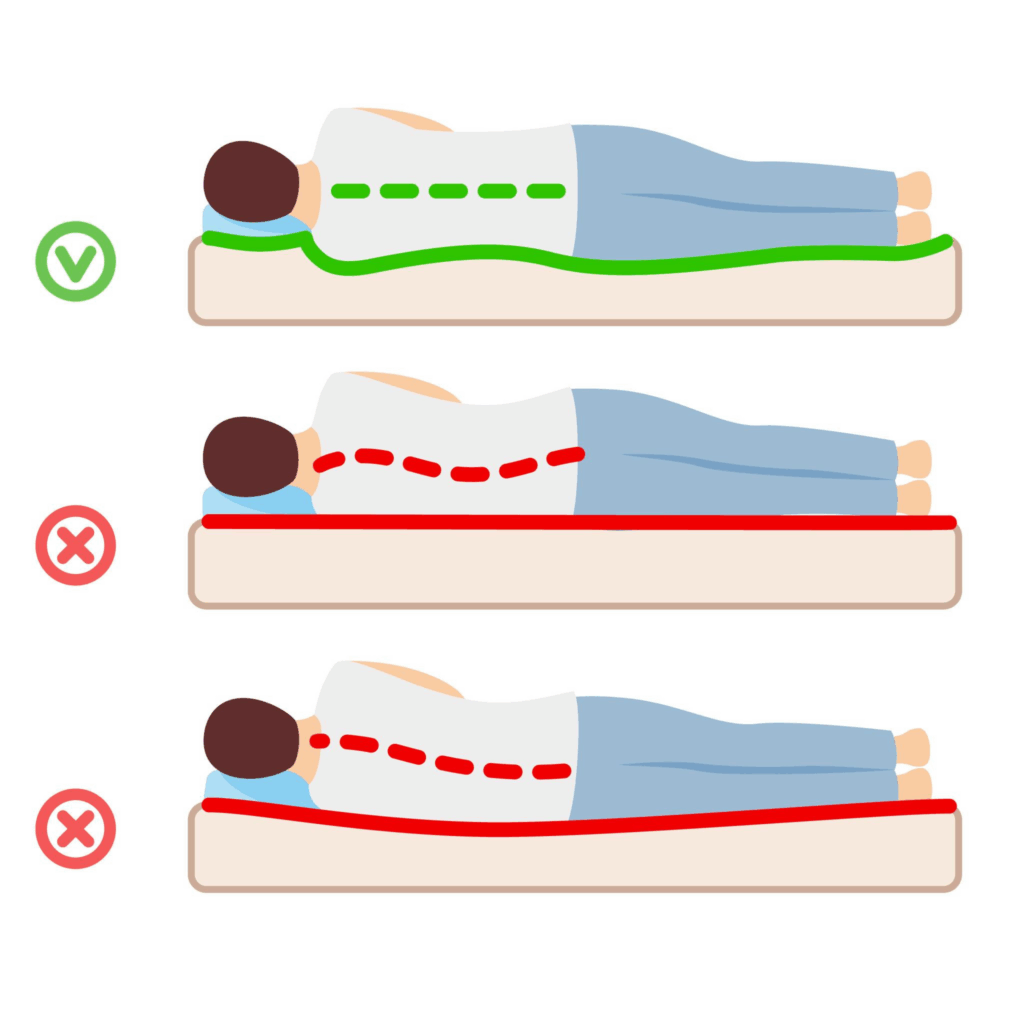
In an era where many of us spend hours hunched over digital devices, sitting at ergonomic desks, or commuting, our spines endure significant daily stress. Sleep should be the restorative time when the body actively reverses this strain. An ergonomic mattress is engineered with precision to maintain the natural, healthy alignment of your spine, providing targeted support to heavier areas like the hips and shoulders while simultaneously cushioning the lighter parts of the body.
When your spine is correctly aligned throughout the night, your musculoskeletal system can finally relax. Poor support forces your muscles to work continuously throughout the night just to stabilize your body, leading to micro-awakenings and profound physical exhaustion. Furthermore, chronic back and neck pain caused by sagging or unsupportive mattresses is a leading contributor to elevated cortisol levels, the stress hormone. This elevation effectively prevents your body from entering the deep, restorative REM sleep cycle necessary for memory consolidation and emotional regulation. By choosing a mattress that promotes ergonomic integrity, you are essentially creating a recovery station that reduces systemic inflammation, lowers stress levels, and prepares your body for the complex challenges of the next day.
Understanding Your Options: Memory Foam vs. Pocket Spring
At Conforama, the selection is curated to meet diverse physical needs, ensuring that whether you are a side, back, or stomach sleeper, there is a solution tailored to your biomechanics. Choosing between memory foam and pocket spring comes down to how your body processes pressure and heat.
The Case for Memory Foam: Pressure Relief Redefined
Memory foam has revolutionized the sleep industry by offering unparalleled pressure relief. Its advanced visco-elastic material responds to your body heat, molding itself seamlessly to your unique silhouette. This creates a “weightless” feeling that is ideal for individuals with chronic joint pain, fibromyalgia, or those who suffer from restless leg syndrome. By evenly distributing your body weight, memory foam eliminates the pressure points that often cause people to toss and turn.
Furthermore, memory foam is particularly effective for motion isolation. If you share your bed with a partner, the material absorbs movement, ensuring that you are not disturbed when they shift positions or get in and out of bed. For those looking to alleviate chronic pain in 2026, memory foam provides a consistent, cradling support that maintains its integrity over years of use.
The Case for Pocket Spring: Breathability and Responsiveness
Pocket spring mattresses represent the evolution of traditional coil technology. In these models, each individual spring is housed in its own breathable fabric pocket, allowing it to move independently of its neighbors. This independence is the key to true ergonomic support, as it allows the mattress to respond precisely to the weight applied to specific sections.
Pocket springs are highly breathable compared to traditional foam, making them an excellent choice for those who tend to “sleep hot.” The air circulation between springs helps regulate body temperature throughout the night. They provide a slight, responsive bounce that many sleepers find easier to maneuver on during the night. If you prefer a firmer feel or require robust, structural spinal support, a high-quality pocket spring mattress from Conforama offers the stability needed to prevent your hips from sinking too deep, thereby maintaining proper spinal alignment all night long.
Making the Right Choice at Conforama PT
Selecting a mattress can feel overwhelming, but Conforama PT simplifies the process by emphasizing both comfort and long-term value. Whether you are upgrading your master bedroom or refreshing a guest suite, the key is to look for models that offer zoned support, areas of varying firmness tailored to different parts of your body.
Before finalizing your purchase, explore the Mattresses buying guide provided on the Conforama website. This resource is invaluable for understanding specific firmness ratings, material densities, and how to match a mattress to your preferred sleeping position. Furthermore, keep an eye on current Bed and Mattress bundle offers. Investing in a set ensures that your bed frame and mattress work in perfect harmony, providing a stable foundation that maximizes the longevity and performance of your new ergonomic sleep system.
Designing Your Sleep Sanctuary in 2026
A mattress is only as good as the environment around it. To truly maximize the benefits of your new ergonomic purchase, consider the complete sleep setup. Ensure your pillow height aligns your neck with your spine, and consider temperature-regulating bedding to enhance the breathability provided by your mattress. By curating your bedroom as a dedicated sanctuary for rest, you reinforce the signals you send to your brain that it is time to detach from the digital noise and stresses of the day and enter a state of deep, restorative sleep. Lighting, temperature control, and the right support are the trifecta of a high-performance lifestyle.
Frequently Asked Questions (FAQs)
1. How do I know if my mattress is the cause of my back pain? If you wake up feeling stiff or in pain, but that pain gradually subsides after stretching or moving around for an hour, your mattress likely lacks the proper support required for your body type. If your mattress is over 8-10 years old or shows visible sagging in the center, it is time for an upgrade.
2. Is a firmer mattress always better for back pain? Not necessarily. While firm support is important for spinal alignment, a mattress must have enough give to contour to your body’s natural curves. Too firm, and you will experience pressure points at your hips and shoulders; too soft, and your spine will sag. The “perfect” mattress provides a balance of firm support for the lumbar region and soft cushioning for the joints.
3. How often should I rotate my new mattress? Even with advanced ergonomic materials, most mattresses benefit from being rotated (head to foot) every three to six months. This ensures even material compression and prevents one side from softening faster than the other. Always check the specific manufacturer’s care instructions included with your Conforama purchase.
4. Can a bundle offer save me money while still providing quality? Yes. Conforama PT often bundles high-quality beds and mattresses to provide a comprehensive, cost-effective sleep solution. These bundles are engineered to ensure technical compatibility, meaning the base provides the right support structure for the specific mattress, ultimately extending the life of your investment and ensuring you get the full ergonomic benefit.
Investing in your sleep is the most productive thing you can do for your career, your mental clarity, and your physical longevity in 2026. Visit Conforama PT today, consult their expert guides, and take the first decisive step toward reclaiming your nights and waking up refreshed.