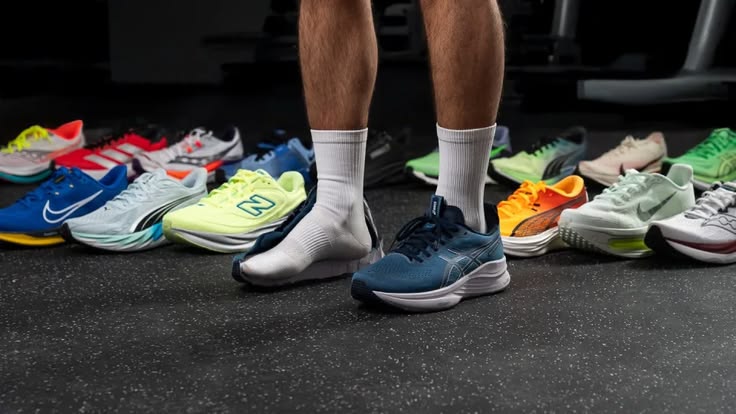
Understanding running shoes vs training shoes is important when choosing athletic footwear for your routine. Although both styles are designed for exercise, they are built around different types of movement. Running shoes are generally optimized for repetitive forward motion, while training shoes are designed for greater versatility, including lateral movement, strength exercises, gym workouts, and cross-training. Choosing the right pair can improve comfort and help you get more from every session.
For shoppers in the UK and elsewhere, the decision should start with how you actually exercise. Someone preparing for their first 5K may benefit from dedicated running shoes, while someone who combines weightlifting, HIIT, and gym classes may find training shoes more practical. Understanding cushioning, stability, flexibility, and shoe fit can help you avoid buying footwear that doesn’t match your training needs.
Running Shoes vs Training Shoes: The Basic Difference
The biggest difference between running shoes vs training shoes is the type of movement they are designed to support.
Running involves repeated forward motion, often over the same surface for several kilometers. Running shoes are therefore generally designed around cushioning, forward transitions, and comfort over repetitive strides.
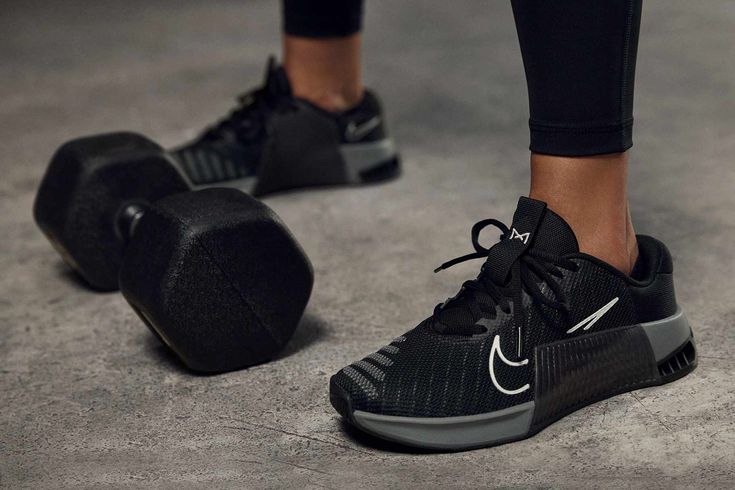
Training shoes are more versatile. They’re designed to accommodate movements in multiple directions, including side-to-side movements, jumping, lifting, and short bursts of activity.
Running Shoes Are Generally Designed For
- Road running
- Treadmill running
- Jogging
- Long-distance training
- 5K and 10K preparation
- Recreational running
Training Shoes Are Generally Designed For
- Gym workouts
- Weightlifting
- HIIT
- Cross-training
- Fitness classes
- Strength and conditioning
If running is your primary activity, dedicated running footwear is usually the more logical choice. If your workouts involve several different movements, training shoes may offer greater versatility.
What Makes Running Shoes Different?
Running shoes are generally designed to support repetitive forward movement. Their cushioning systems can help provide a comfortable ride during repeated foot strikes, while their geometry is often optimized for moving efficiently from one stride to the next.
The amount and type of cushioning varies considerably between models. Some runners prefer a softer feel, while others prefer a firmer and more responsive platform.
For running shoes for beginners, comfort and fit are often more important than choosing the most technically advanced model available.
What Makes Training Shoes Different?
Training shoes are built for variety. Instead of focusing primarily on forward movement, they typically provide a combination of stability, flexibility, and support for different exercises.
A training shoe can be useful when your workout involves squats, lunges, jumping, short runs, lateral movements, and strength exercises.
The outsole and platform may provide a more stable base than highly cushioned running footwear, which can be useful during gym exercises.
Compare Cushioning
Cushioning is one of the clearest differences you’ll notice when comparing these footwear categories.
Running shoes often provide more cushioning because they are designed for repetitive impact over longer periods. The amount varies widely, however, and there is no single cushioning level that’s ideal for every runner.
Training shoes often have a firmer, more stable platform. This can be beneficial when lifting weights or performing exercises where you want a stable connection with the floor.
Neither approach is automatically better. The right level depends on what you do most often.
Think About Shoe Fit
Regardless of whether you choose running or training footwear, shoe fit should be one of your top priorities.
A properly fitting shoe should feel secure without creating painful pressure points. Your heel should remain comfortably in place, while your toes should have enough room to move naturally.
When shopping, consider:
- Toe-box space
- Heel security
- Width
- Midfoot support
- Overall comfort
- Foot movement inside the shoe
Sizing can vary between brands, so checking the manufacturer’s size guide is worthwhile, especially when purchasing online.
Running Shoes vs Training Shoes for Beginners
If you’re new to exercise, deciding between these categories can be confusing.
Start by looking at the activity you’ll perform most frequently.
If you’re following a beginner running plan and gradually increasing your distance, running shoes are the obvious starting point. If you’re joining a gym and combining cardio machines with resistance training and fitness classes, training shoes may be more useful.
If you genuinely do both activities regularly, owning two pairs can eventually be worthwhile.
Can You Use Running Shoes at the Gym?
You can use running shoes for some gym activities, particularly treadmill walking or running. However, they may not be ideal for exercises requiring significant lateral movement or a stable base.
Highly cushioned running shoes can feel less stable during certain strength exercises.
For casual gym users who spend most of their session on cardio equipment, running shoes may be perfectly practical. For strength-focused training, dedicated gym shoes can be a better choice.
Can You Run in Training Shoes?
Training shoes can work for short runs, warm-ups, and mixed workouts. Their versatility makes them useful for workouts where running is only one component.
However, if you’re running several kilometers regularly, dedicated running footwear is generally more appropriate because it is specifically designed around repetitive running motion.
Think of training shoes as multi-purpose workout footwear, not necessarily a replacement for specialized running shoes.
Consider Cross-Training
Cross-training is where the distinction becomes particularly useful.
If a single workout includes a short treadmill run, bodyweight exercises, weights, and lateral movements, training shoes can offer a good compromise.
For example, a 45-minute gym session might include:
- 10-minute treadmill warm-up
- Squats and lunges
- Resistance exercises
- HIIT intervals
- Mobility work
A training shoe can handle this variety more naturally than a highly specialized running model.
Don’t Choose Based Only on Appearance
Both categories now come in a huge range of colors and designs, but appearance shouldn’t be your primary deciding factor.
Instead, prioritize the features that match your activity.
Choose Running Shoes If You Prioritize
Distance: Regular running and longer sessions.
Cushioning: Comfort during repetitive strides.
Movement: Primarily forward motion.
Surface: Roads, pavements, tracks, or treadmills.
Choose Training Shoes If You Prioritize
Versatility: Multiple types of exercise.
Stability: Strength and gym exercises.
Movement: Lateral and multi-directional activity.
Surface: Gym floors and training environments.Think About Your Local Training Environment
How to Build a Practical Footwear Collection
You don’t need several pairs of athletic footwear immediately.
For someone starting out, one pair can be enough if their workouts are consistent.
As your training becomes more specialized, consider:
Pair 1: Dedicated running shoes for running sessions.
Pair 2: Training shoes for gym and cross-training.
This separation can also help each pair last longer because you’re not putting every type of workout through the same footwear.
Check Durability and Replacement Signs
No shoe lasts forever. Frequent training gradually affects cushioning, outsole grip, and structural integrity.
Signs that your footwear may need replacing include:
- Noticeable outsole wear.
- Flattened cushioning.
- Damaged upper material.
- Reduced stability.
- Changes in comfort.
- Uneven wear.
Keeping your footwear in good condition can help maintain a consistent training experience.
Frequently Asked Questions
1. What is the main difference between running shoes and training shoes?
Running shoes are primarily designed for repetitive forward movement, while training shoes are designed for a wider variety of movements, including lateral exercises, strength training, and gym workouts.
2. Can I use training shoes for running?
Yes, training shoes can work for short runs and mixed workouts. However, runners who regularly cover longer distances will generally benefit more from dedicated running shoes.
3. Can I wear running shoes for gym workouts?
You can use them for treadmill running and some gym activities, but they may not provide the stability required for certain strength or lateral exercises.
4. Are training shoes more stable than running shoes?
Training shoes are generally designed with gym and multi-directional movement in mind, so they often provide a stable platform. However, stability varies between individual models.
5. Which shoes are better for beginners?
It depends on the activity. Beginners who mainly run should consider running shoes, while those starting a varied gym routine may find training shoes more practical.
Conclusion
Understanding running shoes vs training shoes becomes much easier when you focus on how you actually exercise. Running shoes are designed around repetitive forward movement, cushioning, and running comfort, making them a strong choice for regular runners. Training shoes prioritize versatility, stability, and multi-directional movement, making them better suited to gym workouts and cross-training.
If running makes up most of your routine, invest in a comfortable pair of running shoes that fits properly. If your workouts involve weights, HIIT, classes, and varied movements, training shoes may be the smarter choice.
Compare your training needs, choose footwear that matches your workouts, and invest in the pair that gives your feet the right combination of comfort, stability, and performance.
For shoppers looking to compare different footwear and fitness products, SCHEELS offers running, training, and other athletic footwear options for different activities and training preferences.