International travel has become more connected than ever, and eSIM technology is playing a major role in that transformation. Travelers no longer need to search for local SIM cards after landing or pay expensive international roaming charges to stay connected. Instead, eSIM-enabled devices allow users to activate mobile plans digitally within minutes, making communication, navigation, and online access easier across multiple countries.
As more smartphone manufacturers and telecom providers adopt digital connectivity, eSIM technology is becoming the preferred choice for tourists, business travelers, digital nomads, and remote workers. This guide explains how eSIMs work, their benefits for international travel, and why leading providers such as Airalo, Holafly, Nomad, GigSky, Ubigi, AT&T, Verizon, T-Mobile, Vodafone, O2, EE, Orange, Mint Mobile, Boost Mobile, Tesco Mobile, iD Mobile, Virgin Mobile, and Kena Mobile are helping shape the future of global mobile connectivity.
What Is eSIM Technology?
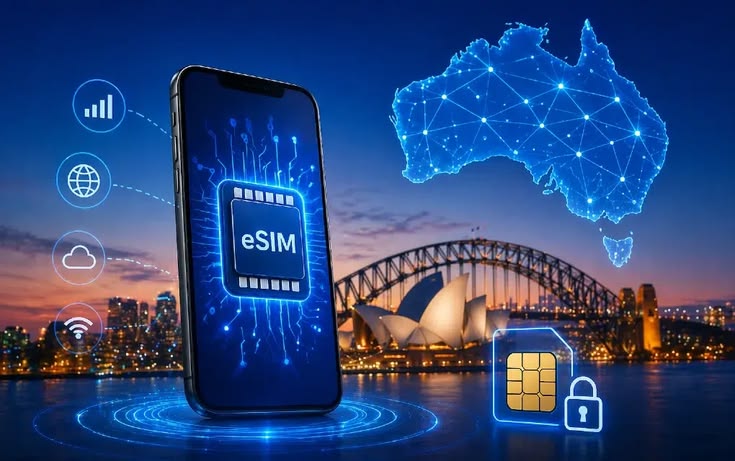
Unlike a traditional SIM card that must be physically inserted into a phone, an eSIM is a built-in chip that can be programmed digitally. Users simply scan a QR code or install a carrier profile through an app to activate their service. This eliminates the need to remove or replace physical SIM cards when switching networks or traveling internationally.
The rapid adoption of eSIM technology is making mobile activation faster, more convenient, and more secure. Many modern smartphones, tablets, smartwatches, and even laptops now support eSIM functionality, allowing users to manage multiple mobile profiles from a single device.
Key advantages include:
- Digital activation without a physical SIM card.
- Ability to store multiple carrier profiles.
- Faster network switching.
- Reduced risk of losing a SIM card.
- Improved compatibility with dual-SIM devices.
Why Travelers Are Choosing Travel eSIMs
One of the biggest reasons for the popularity of travel eSIM services is convenience. Instead of purchasing a local SIM card at an airport or searching for a telecom store in an unfamiliar city, travelers can activate a mobile plan before leaving home.
A travel eSIM allows users to connect immediately after arriving at their destination. This means instant access to maps, ride-sharing apps, messaging services, and online bookings without relying on public Wi-Fi.
Major benefits include:
- Immediate internet access after landing.
- No need to swap physical SIM cards.
- Flexible country-specific or regional plans.
- Easy online activation.
- Lower roaming costs.
These advantages have made eSIMs especially popular among international tourists and business professionals.
Digital SIM Is Simplifying Global Connectivity
A digital SIM provides greater flexibility than traditional SIM cards by allowing users to switch between mobile operators without changing hardware. This feature is particularly valuable for travelers visiting multiple countries during a single trip.
Instead of carrying several SIM cards, users can simply install different eSIM profiles and activate the most suitable network when needed.
Benefits of a digital SIM include:
- Multiple carrier profiles on one device.
- Easy network switching.
- Less physical storage needed.
- Reduced environmental waste from plastic SIM cards.
As more telecom providers embrace eSIM technology, managing international connectivity becomes increasingly seamless.
Best eSIM Providers for International Travel
Several companies now specialize in global eSIM services, while traditional telecom providers continue expanding digital SIM support.
Airalo
Airalo has become one of the world’s leading travel eSIM providers, offering affordable regional and country-specific plans in over 200 destinations.
Ideal for:
- Budget travelers.
- Multi-country trips.
- Instant activation.
- Flexible prepaid plans.
Holafly
Holafly focuses on unlimited or high-data travel packages across Europe, Asia, North America, and Latin America.
Highlights include:
- Unlimited data options.
- Easy activation.
- Reliable customer support.
- Popular among vacation travelers.
Nomad
Nomad offers competitive pricing with flexible travel data plans for short-term and long-term travelers.
Best features:
- Transparent pricing.
- Regional coverage.
- User-friendly app.
- Fast activation.
GigSky and Ubigi
GigSky and Ubigi provide premium connectivity for smartphones, tablets, laptops, and connected devices, making them popular among business travelers.
Advantages include:
- Business-friendly plans.
- Wide international coverage.
- Enterprise connectivity options.
- Reliable network performance.
Traditional Telecom Providers Supporting eSIM
Leading mobile operators have also embraced eSIM technology, allowing existing customers to activate digital profiles without changing providers.
Popular carriers include:
- AT&T
- Verizon
- T-Mobile
- Vodafone
- O2
- EE
- Orange
- Mint Mobile
- Boost Mobile
- Tesco Mobile
- Virgin Mobile
- iD Mobile
- Kena Mobile
Many of these providers now support eSIM activation for smartphones, tablets, smartwatches, and wearable devices while expanding international roaming capabilities.
Reducing International Roaming Costs
One of the biggest advantages of eSIM technology is reducing expensive international roaming charges. Instead of paying premium roaming rates through a home carrier, travelers can purchase local or regional prepaid eSIM plans at significantly lower prices.
Money-saving benefits include:
- Local pricing instead of roaming fees.
- Flexible prepaid data packages.
- No long-term contracts.
- Easy plan management through mobile apps.
For frequent travelers, these savings can be substantial over multiple trips.
Better Mobile Connectivity for Modern Travelers
Reliable mobile connectivity has become essential for both leisure and business travel. Travelers depend on internet access for navigation, hotel reservations, digital payments, translation apps, and emergency communication.
Modern eSIM solutions support:
- Navigation apps.
- Video conferencing.
- Cloud storage access.
- Digital wallets.
- Social media sharing.
- AI-powered travel assistants.
A stable global network ensures travelers remain connected wherever they go.
Prepaid eSIM vs Traditional SIM Cards
Choosing between a prepaid eSIM and a physical SIM depends on travel style and device compatibility.
Prepaid eSIM
Advantages include:
- Instant online purchase.
- Digital activation.
- No physical SIM replacement.
- Ideal for international travel.
Traditional SIM
Benefits include:
- Universal compatibility.
- Easy transfer between older devices.
- Widely available worldwide.
- No internet required during activation.
For users with modern smartphones, eSIM generally offers greater convenience, while physical SIM cards remain useful for older devices.
Future Trends in eSIM Technology
The future of eSIM technology looks promising as smartphone manufacturers continue reducing physical hardware while improving digital services.
Industry trends include:
- Wider adoption in budget smartphones.
- AI-assisted network selection.
- Automatic carrier switching.
- Improved global roaming partnerships.
- Better integration with wearable devices and connected cars.
These innovations will make international travel even more connected in the coming years.
Frequently Asked Questions (FAQs)
1. What is eSIM technology?
eSIM technology is a digital alternative to physical SIM cards that allows users to activate mobile plans remotely without inserting a removable SIM.
2. Is a travel eSIM better than international roaming?
For many travelers, yes. A travel eSIM often provides lower data costs, faster activation, and greater flexibility than traditional roaming services.
3. Which companies offer travel eSIM services?
Popular providers include Airalo, Holafly, Nomad, GigSky, Ubigi, along with telecom companies such as AT&T, Verizon, T-Mobile, Vodafone, O2, EE, Orange, Mint Mobile, Tesco Mobile, Boost Mobile, Virgin Mobile, iD Mobile, and Kena Mobile.
4. Can I use multiple eSIM profiles on one phone?
Yes. Most modern smartphones support storing multiple eSIM profiles, although only one or two may be active simultaneously depending on the device.
5. Is eSIM supported worldwide?
Support continues expanding globally. Most premium smartphones and many leading telecom providers now offer eSIM compatibility across numerous countries.
6. Do I need internet to activate an eSIM?
Yes. An internet connection, usually Wi-Fi, is generally required during the initial activation process.
Conclusion
The rise of eSIM technology is transforming international travel by making mobile connectivity faster, more flexible, and more affordable. Whether you’re using a travel eSIM from Airalo, Holafly, Nomad, GigSky, or Ubigi, or activating digital services through providers such as AT&T, Verizon, T-Mobile, Vodafone, O2, EE, Orange, Mint Mobile, Boost Mobile, Tesco Mobile, Virgin Mobile, iD Mobile, or Kena Mobile, travelers now have more choices than ever before. With reduced international roaming costs, simple digital activation, and access to reliable global network coverage, eSIMs are quickly becoming the preferred solution for modern travelers.
Before your next international trip, check whether your device supports eSIM, compare available travel data plans, and activate your preferred profile before departure. By embracing eSIM technology today, you’ll enjoy a smoother, more connected, and hassle-free travel experience throughout 2026 and beyond.