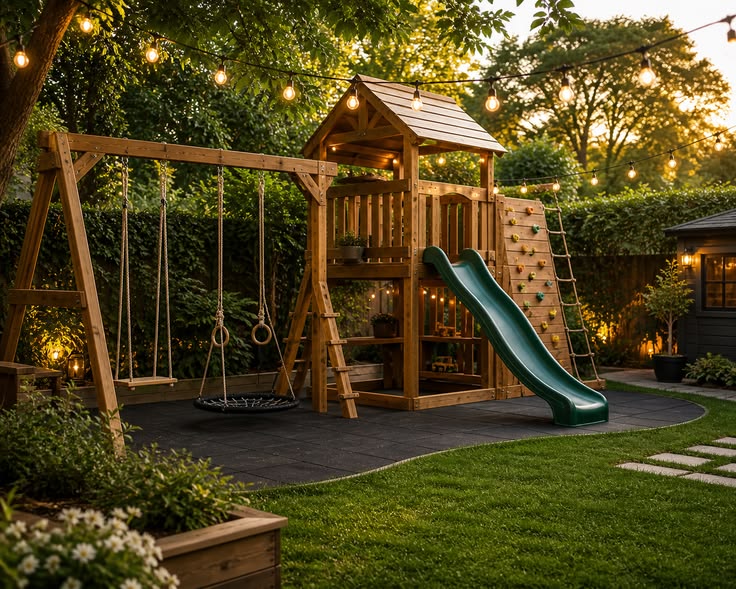
Choosing the right kids outdoor play equipment can turn a backyard into an engaging space for movement, creativity and family time. From swings and trampolines to cubby houses and climbing playsets, Australian families have plenty of options. However, the best choice is not simply the most colourful or feature-packed product. Parents should consider age suitability, available space, construction, safety features, maintenance and how often the equipment is likely to be used. This kids play equipment buying guide explains what to look for before investing in outdoor toys for kids.
Outdoor play also gives children opportunities to develop physical skills, explore their surroundings and enjoy active family time. Australian playground guidance emphasises balancing opportunities for challenging play with measures that reduce the risk of serious injury.
Why Choosing the Right Kids Outdoor Play Equipment Matters
Outdoor equipment is an investment, so it should suit both the children using it and the backyard where it will be installed. A large climbing playset may be exciting for older children but unsuitable for toddlers, while a compact slide or swing could be more practical for a smaller garden.
Before shopping, think about:
- The child’s age and abilities
- Available backyard space
- Number of children using the equipment
- Recommended weight or user limits
- Storage and maintenance
- Safety features
- Your budget
Australian standards include guidance covering playground equipment, surfacing, installation, inspection and maintenance, while domestic swings, slides and similar activity toys are also addressed by relevant safety standards.
Start With Age and Developmental Stage
The first consideration when buying kids outdoor play equipment should be whether it is appropriate for the child’s age and abilities. Manufacturers generally provide age recommendations, but parents should also consider whether their child can use the equipment confidently and safely.
Younger children may benefit from simpler equipment that encourages basic climbing, balancing and movement. Older children may enjoy more challenging structures, climbing walls, larger slides or multi-activity playsets.
Check These Details Before Buying
- Recommended age range
- Maximum user weight
- Difficulty of climbing elements
- Number of users permitted
- Supervision requirements
- Manufacturer’s safety instructions
Don’t buy equipment based solely on the age of an older sibling if younger children will also have access to it.
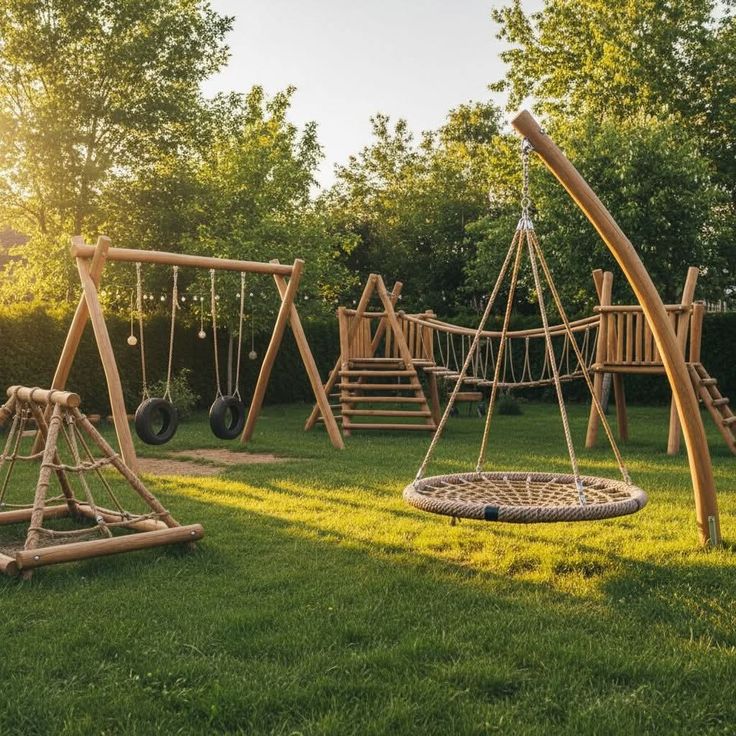
Measure Your Backyard First
One of the easiest mistakes is buying a playset before checking whether the garden has enough usable space. Remember that the equipment itself is not the only area you need to consider. Children need room to move around it, and some products require additional clearance.
Measure the intended installation area and compare it with the manufacturer’s dimensions. Also consider fences, trees, garden structures, outdoor furniture and other potential obstacles.
For larger backyard toys, check:
- Product length and width
- Overall height
- Required clearance
- Ground conditions
- Space around slides and swings
- Distance from walls, fences and other structures
A compact garden may be better suited to a smaller slide, climbing frame or individual swing than a large multi-level playset.
Choose Trampolines Carefully
Trampolines can provide energetic outdoor entertainment, but they deserve particularly careful consideration because falls and collisions can result in injuries.
When choosing a domestic trampoline, look for a model with appropriate safety features and clear manufacturer instructions. Australian product-safety guidance recommends checking that trampolines comply with the relevant Australian Standard and inspecting safety components regularly.
Important features can include:
- Protective padding over the frame and springs
- Secure safety enclosure
- Stable legs and frame
- Durable jumping mat
- Clearly stated user limits
The Australian Government’s product-safety guidance also recommends placing a trampoline on soft or impact-absorbing ground and keeping the surrounding area clear of hazards.
Look for Stable and Secure Kids Swings
Kids swings can be a simple way to encourage active outdoor play, but stability and installation are essential. A swing should be suitable for the child’s age and weight, with secure attachment points and appropriate seating.
For younger children, consider whether the seat provides enough support. Older children may be more comfortable with traditional swing seats.
Before purchasing, check:
- Frame stability
- Seat construction
- Ground anchoring requirements
- Recommended clearance
- Weather-resistant materials
Australian guidance specifically recognises swings, slides, climbing frames and similar domestic activity toys within relevant safety standards.
Consider Cubby Houses for Imaginative Play
Cubby houses offer a different type of outdoor experience. Instead of focusing entirely on physical activity, they encourage pretend play, storytelling and social interaction.
A cubby house can become a pretend café, shop, clubhouse or reading space, making it useful for children who enjoy imaginative activities.
When comparing cubby houses, consider:
- Internal space
- Roof construction
- Material durability
- Access points
- Stability
- Recommended age range
For Australian conditions, weather resistance matters. Outdoor timber and other materials can experience prolonged exposure to sunlight, rain and humidity, so follow the manufacturer’s maintenance instructions.
Think Beyond One Type of Play
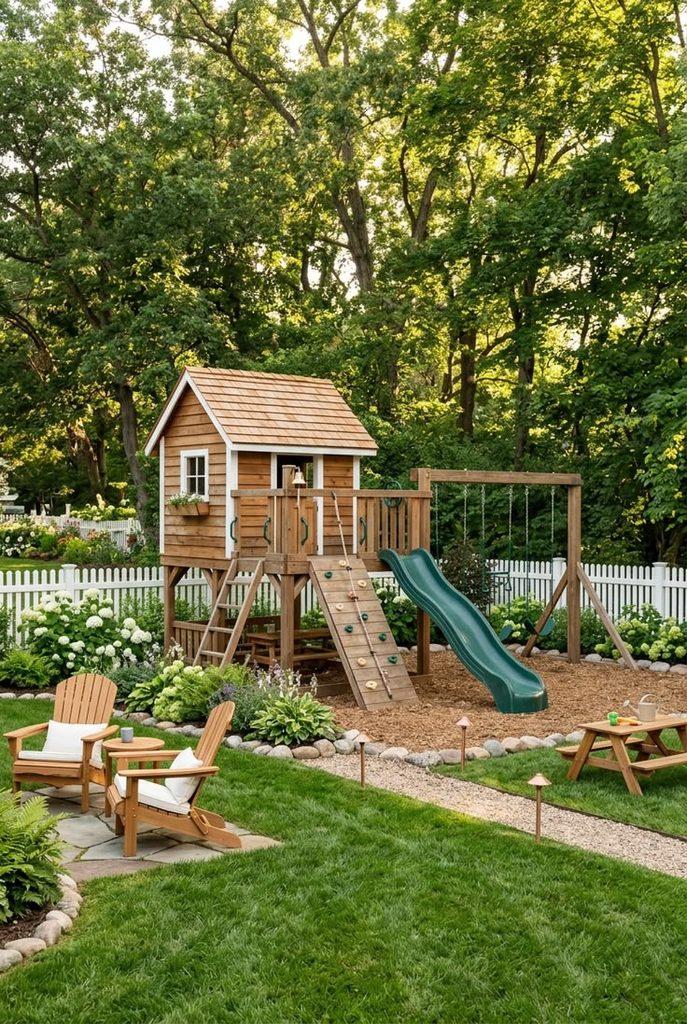
The best outdoor toys for kids do not necessarily need to provide the most activities in one product. A combination of equipment can create a more varied play environment.
For example, a backyard could combine:
- A swing for active movement
- A cubby house for imaginative play
- A small slide for climbing and coordination
- Outdoor balls for running games
This can encourage children to move between different types of activities rather than using one piece of equipment repeatedly.
Check Materials and Weather Resistance
Australian weather can be demanding on outdoor products. Strong sunlight, rain, humidity and temperature changes can affect materials over time.
When comparing kids outdoor play equipment, examine the construction and maintenance requirements rather than assuming an outdoor product will remain in perfect condition indefinitely.
Look for:
- UV-resistant materials where applicable
- Weather-resistant finishes
- Rust-resistant metal components
- Strong connectors
- Smooth, child-safe surfaces
- Durable plastics or treated timber
Regular inspection remains important even when equipment is marketed as weather-resistant.
Compare Long-Term Value, Not Just Price
A cheaper playset is not necessarily better value if it needs frequent replacement or does not suit your child’s interests.
Think about how long the product is likely to remain useful and whether it can adapt as children grow.
Before purchasing, compare:
- Initial price
- Warranty
- Replacement parts
- Expected lifespan
- Installation costs
- Storage requirements
A durable product that children use regularly may provide greater value than several inexpensive garden toys that quickly lose their appeal.
Frequently Asked Questions
What should I look for when buying kids outdoor play equipment?
Prioritise age suitability, dimensions, stability, weight limits, safety features, materials, installation requirements and the amount of space available in your backyard.
What outdoor play equipment is best for a small backyard?
Compact swings, smaller slides, climbing equipment or versatile playsets can work well when space is limited. Always account for the required clearance around the equipment rather than measuring only the product itself.
Are cubby houses suitable for young children?
Some are designed specifically for younger children, but suitability depends on the manufacturer’s age recommendations, construction and supervision requirements. Always check the product specifications before buying.
How often should outdoor play equipment be checked?
Check equipment regularly for loose connections, damaged surfaces, rust, cracks, worn ropes, deteriorated padding and other signs of damage. Follow the manufacturer’s inspection and maintenance recommendations.
Conclusion
The best kids outdoor play equipment should combine age-appropriate play, durability, practical design and sensible safety considerations. Whether you are comparing trampolines, cubby houses, swings, slides or larger playsets, look beyond appearance and price.
Use this kids play equipment buying guide to assess your available space, the child’s age and abilities, construction quality, installation requirements, maintenance and long-term value. Ready to create a more exciting backyard for your family? Explore BIG W’s range of outdoor toys and kids’ play equipment to find options suited to your children’s ages, interests and available space.