





Getting a good night’s sleep can be difficult when you regularly wake up feeling overheated, sweaty, or uncomfortable. For people who naturally sleep warm, choosing the right Rest cooling bedding can make the bedroom environment feel significantly more comfortable. From breathable sheets and cooling comforters to moisture-wicking fabrics and temperature-regulating materials, the right bedding can help manage heat and moisture throughout the night.
This is particularly relevant for hot sleepers living in warmer or humid parts of the US, including Florida, Texas, Arizona, California, and the Southeast. However, even people in cooler climates can experience nighttime overheating because of bedroom temperatures, bedding materials, mattresses, or individual sleep preferences.
If you’re considering cooling bedding for hot sleepers, understanding what actually matters can help you choose products based on construction and performance rather than simply relying on the word “cooling” on the packaging.
What Is Rest Cooling Bedding?
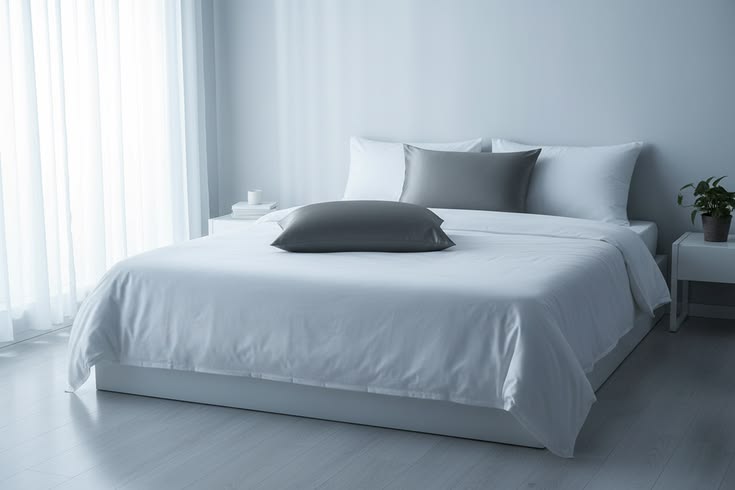
Rest cooling bedding refers to bedding products designed to help create a cooler, more comfortable sleeping environment. The category can include sheets, comforters, duvet covers, pillows, and other sleep accessories designed with cooling, breathable, or moisture-managing materials.
One example is the Rest Evercool bedding collection, which is designed specifically around cooling performance. The Evercool range has become particularly relevant for people who want bedding that feels cool and comfortable rather than simply lightweight.
When evaluating cooling bedding, look beyond the product name and consider how the material handles heat, moisture, airflow, and contact with your skin.
Key features to look for include:
- Cooling or temperature-regulating materials
- Breathable construction
- Moisture-wicking properties
- Smooth, comfortable fabric
- Good airflow
- Lightweight construction
- Easy-care materials
- Appropriate warmth for your climate
Why Do Hot Sleepers Need Different Bedding?
People who sleep hot may experience discomfort because their body releases heat throughout the night. A warm comforter or poorly breathable sheet can trap some of that heat close to the body, potentially making the sleeping environment feel warmer.
Bedroom temperature also matters. The US Environmental Protection Agency notes that indoor temperatures and humidity can affect comfort, while individual preferences vary considerably.
For hot sleepers, bedding should therefore work with the bedroom environment rather than adding unnecessary insulation.
This is particularly important during warmer months in places such as Miami, Houston, Phoenix, Los Angeles, and Atlanta, where nighttime temperatures can remain relatively high.
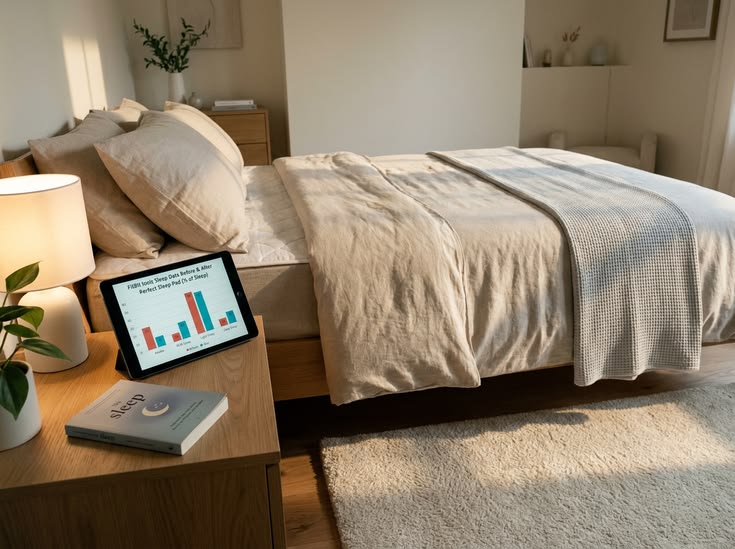
Look for Cooling Sheets That Feel Breathable
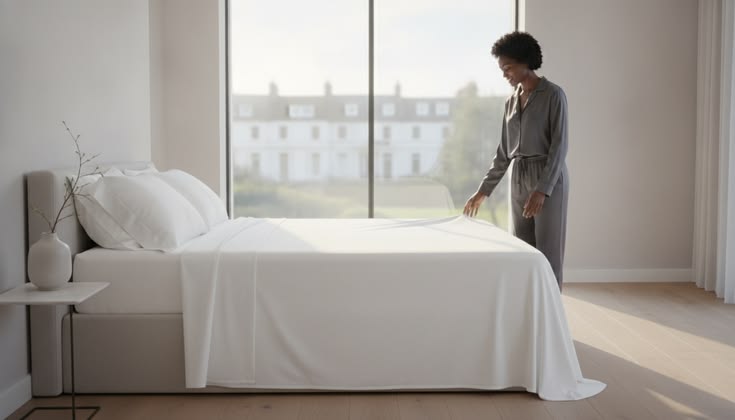
Sheets are the first layer that comes into direct contact with your body, so their material can have a noticeable effect on comfort.
Good cooling sheets should feel comfortable against the skin while allowing heat and moisture to move away from the body. Fabric construction, weave, weight, and moisture management can all influence how a sheet feels during the night.
When shopping for cooling sheets, consider:
- Breathability
- Moisture management
- Fabric weight
- Surface feel
- Airflow
- Ease of washing
- Durability
A fabric that feels cool when you first touch it is not necessarily the same as a fabric that helps manage heat throughout several hours of sleep. Look at the complete construction rather than judging cooling performance from the initial sensation alone.
Choose a Cooling Comforter Carefully
A cooling comforter can be particularly important because traditional comforters may retain more warmth than a hot sleeper wants.
The ideal comforter depends on your climate and how much insulation you personally need. Someone living in a warm region may want a lighter comforter, while a hot sleeper in a colder climate might still need insulation but prefer a material designed to manage excess heat.
When comparing comforters, check:
- Overall weight
- Fill material
- Breathability
- Moisture management
- Construction
- Seasonal suitability
- Care instructions
The goal is not necessarily to eliminate insulation. Instead, look for a balance between comfort, warmth, airflow, and moisture control.
Understand Temperature-Regulating Bedding
The phrase temperature regulating bedding is commonly used for products designed to help manage the microclimate between your body and the bedding.
For hot sleepers, this can be more useful than simply choosing the thinnest blanket available.
Temperature regulation can involve several factors, including:
- Fabric construction
- Moisture movement
- Air permeability
- Heat transfer
- Weight and insulation
- Surface feel
A product can feel cool initially but still become uncomfortable if it traps heat later. Therefore, look for bedding designed around overall nighttime comfort rather than just an immediate cooling sensation.
Moisture-Wicking Fabric Matters for Night Sweats
Heat isn’t always the only problem. Some hot sleepers also experience night sweats, making moisture management an important part of bedding selection.
Moisture-wicking fabric is designed to move moisture away from the skin, helping it spread across a larger surface area where it can evaporate more readily.
For people who regularly wake up sweaty, look for bedding that combines:
- Moisture management
- Breathability
- Quick-drying properties
- Comfortable skin contact
- Easy washing
However, bedding alone cannot address every cause of excessive sweating. Persistent or unexplained night sweats can have many causes, so people experiencing them regularly should consider discussing the issue with a healthcare professional.
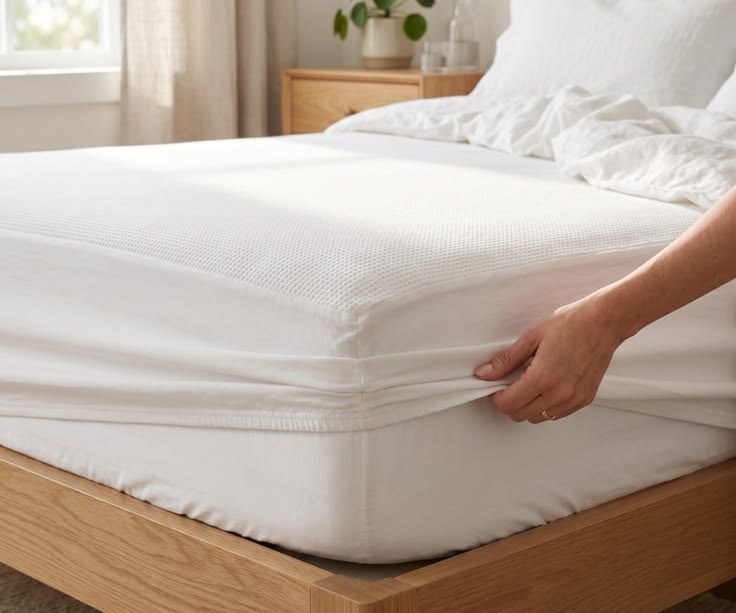
Match Bedding to Your Climate
Your location should influence your bedding choices.
A person living in humid Florida may have different requirements from someone in dry Arizona or a cooler part of the Northeast.
Consider your environment:
- Florida and Gulf Coast: Prioritize moisture management and breathability.
- Texas: Look for lightweight, breathable bedding for hot summers.
- Arizona: Focus on airflow while considering the large difference between daytime and nighttime temperatures.
- California: Cooling bedding can be useful during warmer periods, especially in inland areas.
- Pacific Northwest: Breathability and moisture management can be useful because of the region’s damp conditions.
- Northeastern US: Consider a flexible bedding system that can work across changing seasons.
Your bedroom temperature, humidity, mattress, sleepwear, and personal preferences all matter, so there is no single cooling bedding solution that works identically for everyone.
FAQs
What is the best bedding for hot sleepers?
The best bedding for hot sleepers generally combines breathable materials, moisture management, comfortable surface fabrics, and an appropriate level of insulation.
Does cooling bedding actually help hot sleepers?
Cooling bedding can help improve perceived nighttime comfort by managing factors such as heat, moisture, and airflow. However, performance varies by material, construction, room temperature, and individual sleep habits.
What are the best cooling sheets for hot sleepers?
Look for sheets designed with breathable and moisture-managing materials. Fabric weight, construction, surface feel, and care requirements are also important when comparing options.
Is the Rest Evercool comforter suitable for hot sleepers?
The Evercool comforter is specifically positioned around cooling comfort and can be considered by people who want a comforter designed for a cooler sleeping experience.
What is the difference between a cooling comforter and regular comforter?
A cooling comforter is designed with materials or construction intended to help manage heat and improve sleeping comfort. A traditional comforter may prioritize insulation and warmth without focusing specifically on cooling or moisture management.
Conclusion
Choosing the right Rest cooling bedding is about more than finding the product advertised as the coolest. Hot sleepers should consider breathability, moisture management, fabric construction, comforter weight, pillow design, and the climate where they sleep.
The Rest Evercool bedding range is worth considering if cooling performance is a priority, particularly for people who regularly feel too warm at night. Combining a cooling comforter with cooling sheets and a suitable cooling pillow can create a more complete hot sleeper bedding setup.
Whether you’re dealing with hot summers in Texas and Florida, dry heat in Arizona, or warmer nights in California, choosing bedding designed around temperature and moisture management can help create a more comfortable sleep environment.