Choosing the right outdoor hiking boots can make a major difference to comfort, stability and confidence on the trail. Whether you are planning a short day hike, exploring rocky mountain routes or spending several days outdoors, the right hiking footwear needs to match the terrain, weather and distance. This hiking boots buying guide explains what to consider, from boot fit and ankle support to traction, waterproofing, weight and durability, so you can choose footwear that suits your outdoor activities.
Why the Right Outdoor Hiking Boots Matter
Hiking puts repeated pressure on your feet, ankles and legs, particularly when walking over uneven ground. Suitable boots can provide protection from rocks, mud, moisture and changing trail conditions while helping you maintain a stable footing.
The best hiking footwear is not necessarily the heaviest or most expensive. Your ideal pair depends on where you hike, how frequently you go outdoors and the conditions you expect to encounter.
Before buying, consider:
- Terrain and trail conditions
- Typical hiking distance
- Weather and seasonal conditions
- Boot weight
- Ankle support
- Sole traction
- Waterproofing
- Fit and comfort
- Durability
- Your overall hiking gear
Get the Right Boot Fit
Boot fit should be one of your highest priorities. Even a technically advanced pair of outdoor hiking boots can become uncomfortable if the sizing or shape does not suit your feet.
Your toes should have enough room to move without your foot sliding excessively inside the boot. You should also have enough space around the heel to prevent excessive movement.
When trying boots, wear the type of hiking socks you normally use. If possible, try them later in the day, when feet may be slightly larger after normal activity.
What Should a Good Hiking Boot Fit Feel Like?
Look for:
- Secure heel without excessive slipping
- Comfortable midfoot support
- Enough toe room
- No pressure points
- Comfortable arch support
- Space for normal foot movement
- Secure lacing without excessive tightness
Walk around the shop and, where possible, test the boots on an incline. A good fit should feel secure without creating painful pressure.
Match Boots to Your Hiking Terrain
Different trails require different levels of protection and support. Lightweight footwear can be suitable for maintained paths, while rougher terrain may benefit from a more structured boot.
For flat or well-maintained trails, lightweight hiking shoes or low-cut footwear may provide sufficient flexibility. Rocky, muddy or uneven mountain routes can demand greater protection and stability.
Consider whether your typical routes involve:
- Gravel and maintained paths
- Forest trails
- Mud and wet ground
- Rocky terrain
- Steep climbs and descents
- Long-distance backpacking
- Mixed surfaces
Understanding the terrain is an important part of choosing the best hiking boots for outdoor activities.
Consider Ankle Support
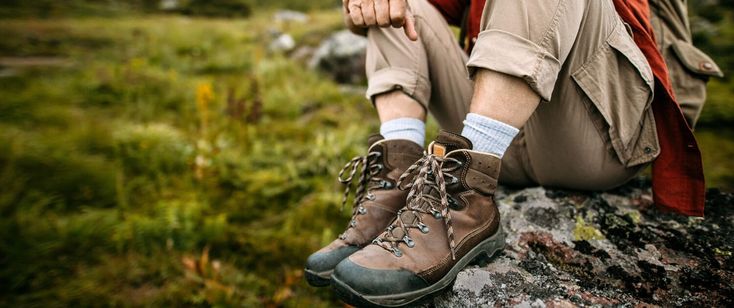
Ankle support is particularly relevant when hiking over uneven terrain or carrying a heavier backpack. Mid- and high-cut boots can provide more coverage around the ankle than low-cut trail shoes.
However, more ankle coverage does not automatically mean a boot will prevent every injury. Fit, traction, walking technique and terrain awareness also matter.
When Is More Ankle Support Useful?
Higher-cut boots may be worth considering if you:
- Regularly hike over rocky terrain
- Carry a substantial backpack
- Hike on uneven trails
- Prefer additional ankle coverage
- Frequently encounter loose ground
For lighter day hikes, a lower-cut design may offer a more flexible and lightweight experience.
Check Traction and Outsole Design
Traction is one of the most important performance characteristics of outdoor footwear. A boot with an appropriate outsole can provide better grip when walking across loose gravel, mud, wet rock and uneven surfaces.
Look at the outsole pattern and lug design rather than focusing only on the brand name.
A suitable hiking boot should offer:
- Deep or appropriately shaped lugs for the intended terrain
- Durable rubber outsole
- Stable contact with the ground
- Grip appropriate to wet and dry conditions
For muddy trails, aggressive lugs can help shed mud. For smoother hiking paths, a less aggressive sole may provide a more comfortable walking experience.
Decide Whether You Need Waterproof Hiking Boots
Waterproof hiking boots can be useful for wet climates, rainy seasons and trails where you regularly encounter puddles, mud or damp vegetation. Waterproof membranes can help keep external moisture away from your feet.
However, waterproof construction can sometimes reduce breathability compared with more open footwear. If you mainly hike in hot, dry conditions, ventilation may be more important than maximum water resistance.
Think about your local conditions. Hikers in rainy areas such as the Pacific Northwest or the UK may prioritise waterproof protection, while those hiking in dry Southwestern US environments may prefer lighter, more breathable footwear.
Waterproof Does Not Mean Maintenance-Free
To preserve performance:
- Clean dirt and mud after hikes
- Follow the manufacturer’s care instructions
- Allow boots to dry naturally
- Avoid excessive direct heat
- Reapply compatible treatments when recommended
Consider Boot Weight
Boot weight can influence how tired you feel during longer hikes. Heavy footwear may provide greater structure and protection, but lightweight designs can make everyday trails feel more agile.
For short day hikes, the difference may be less noticeable. On long-distance routes, however, reducing unnecessary weight can improve overall comfort.
If you are comparing several pairs, check their listed weight and consider whether the additional protection of a heavier boot is genuinely useful for your normal routes.
Look at Materials and Durability
Outdoor footwear needs to withstand repeated exposure to dirt, moisture, rocks and changing temperatures. Leather, synthetic materials and combinations of different fabrics are commonly used in hiking footwear.
Leather can offer durability and structure, while synthetic designs are often lighter and may require less break-in time. The best material depends on your priorities and the conditions in which you hike.
Consider:
- Upper material
- Sole construction
- Stitching and reinforcement
- Toe protection
- Heel structure
- Waterproof membrane, if included
- Manufacturer care requirements
A durable pair can provide better long-term value if you hike regularly.
Think About Socks and Other Hiking Gear
Even the best outdoor hiking boots cannot compensate for unsuitable socks. Hiking-specific socks can help manage moisture and reduce friction, while the correct thickness can affect boot fit.
Your footwear should also work with your wider hiking gear. If you carry a heavy backpack, additional stability may be useful. If you travel light on maintained trails, lightweight footwear may be sufficient.
Think of your footwear as part of a complete outdoor system rather than an isolated purchase.
Don’t Buy Boots Without Testing Them
Online shopping makes it easy to compare styles and prices, but fit remains personal. If you can try boots in person, take advantage of the opportunity.
Walk, bend your knees, climb an incline and check whether your heel remains secure. Pay attention to pressure around your toes, ankles and instep.
If buying online, carefully check the retailer’s sizing information and return policy before ordering. This is particularly important because sizing can vary between brands and models.
Consider the Type of Hiking You Actually Do
There is no single pair of outdoor hiking boots that is perfect for every activity. A lightweight day hiker, a long-distance backpacker and someone tackling steep mountain trails may need completely different footwear.
A useful approach is to choose based on your most common use rather than an occasional extreme trip.
For example:
- Day hiking: lightweight boots or trail shoes
- Mixed terrain: supportive mid-cut hiking boots
- Wet conditions: waterproof hiking boots
- Rough mountain routes: durable boots with strong traction
- Backpacking: supportive footwear suited to your pack weight and terrain
This prevents you from paying for features you rarely use.
Frequently Asked Questions
What should I look for when buying outdoor hiking boots?
Focus on fit, terrain suitability, traction, ankle support, waterproofing, weight, durability and comfort. Your typical hiking conditions should determine which features receive the most attention.
Are waterproof hiking boots worth buying?
They can be worthwhile if you frequently hike in wet conditions, rain or muddy environments. For hot and dry climates, breathable non-waterproof footwear may be more comfortable.
Should hiking boots be tight or loose?
They should feel secure without being painfully tight. Your heel should remain relatively stable while your toes should have enough room to move naturally.
Are high-cut boots better for ankle support?
Higher-cut boots provide more ankle coverage, but they are not automatically better for every hiker. The right choice depends on terrain, pack weight, personal preference and fit.
Are hiking boots better than trail shoes?
Neither is universally better. Trail shoes are generally lighter and more flexible, while hiking boots can offer greater structure, protection and weather resistance.
How long should hiking boots last?
There is no fixed lifespan. Durability depends on construction, mileage, terrain, maintenance and frequency of use. Replace footwear when the outsole, upper, cushioning or structural support is significantly worn.
Conclusion: Choose Hiking Boots Around Your Adventure
The best outdoor hiking boots should match your feet, terrain and hiking style rather than simply having the longest feature list. Prioritise a secure boot fit, suitable traction and appropriate support before considering extras such as waterproof membranes or specialised materials.
Use this hiking boots buying guide to compare footwear based on where you actually hike. Lightweight options may work well for casual trails, while more supportive and durable boots can be better suited to rugged terrain, wet conditions or heavier loads.
Whether you are exploring national parks in the US, walking through wet UK countryside or planning a longer mountain adventure, the right outdoor footwear can make your trip considerably more comfortable.
Ready to upgrade your hiking gear? Explore SCHEELS’ range of outdoor hiking boots and footwear to find a pair suited to your next trail adventure.