Choosing the right camping tents can make a major difference to your outdoor experience. A suitable tent provides protection from changing weather, enough room to sleep comfortably and a practical shelter for storing essential gear. Whether you are planning a weekend at a US campground, a family road trip or a backpacking adventure in the mountains, the best choice depends on more than appearance or price. This camping tent buying guide explains how to compare tent capacity, construction, weather resistance, weight, setup and features before making a purchase.
Why Choosing the Right Camping Tent Matters
A tent is more than somewhere to sleep. It needs to work with your destination, weather conditions and style of camping. A spacious family tent can be excellent for a drive-up campsite but impractical for a long backpacking trip. Similarly, an ultralight backpacking tent may be easy to carry but offer less interior space than a family-focused design.
Before shopping, think about where and how you will use the tent. Campgrounds in warmer areas may require good ventilation and mesh panels, while trips to wetter or windier regions require greater attention to waterproofing, seams and structural stability.
The main factors to compare include:
- Tent capacity and interior space
- Packed weight and size
- Weather resistance
- Season rating
- Setup time
- Ventilation
- Construction materials
- Storage space
- Budget
Start With Tent Size and Capacity
One of the most important decisions when learning how to choose a camping tent is selecting the correct capacity. Tent capacity is generally expressed by the number of people a model is designed to accommodate, but capacity does not always tell you how spacious the interior will feel.
If two people want extra room for clothing, backpacks and other camping gear, choosing a three-person or four-person design may provide a more comfortable experience.
How Much Space Do You Need?
Consider:
- Number of people sleeping inside
- Amount of personal equipment
- Whether you need room to change clothes
- Sleeping pad and sleeping bag dimensions
- Whether children will share the tent
- Whether you prefer extra personal space
For family camping, larger family tents can provide separate sleeping areas and additional living space. For solo trips or pairs prioritising portability, smaller designs are usually more practical.
Choose Between Family and Backpacking Tents
Different camping styles require different tent designs.
Family tents generally priortise space, comfort and convenience. They can be a strong option for car camping, established campgrounds and longer stays where weight is less important.
Backpacking tents, on the other hand, are designed with portability in mind. Lower weight and a compact packed size can make a significant difference when carrying equipment over long distances.
A useful rule is simple: if you are carrying the tent on your back, prioritise weight and packed size. If you are transporting it by car, interior comfort and convenience may matter more.
Check Weather Protection
Weather can change quickly during outdoor trips, so weather resistance should be one of the first things you investigate.
When comparing waterproof tents, look beyond the word “waterproof” and examine the construction. A rainfly, sealed seams, bathtub-style floor and appropriate waterproof materials can all contribute to better protection during wet conditions.
For trips in areas that experience frequent rain, such as parts of the Pacific Northwest, the Northeast or the UK, strong rain protection can be especially important. In hot and humid locations, ventilation becomes equally valuable.
Features Worth Checking
Look for:
- Full-coverage rainfly
- Sealed or taped seams
- Waterproof floor
- Rain-resistant doors and windows
- Strong poles and attachment points
- Multiple ventilation panels
- Secure guy-out points
No tent should be treated as completely immune to extreme weather. Always consider the manufacturer’s specifications and the conditions expected at your destination.
Understand Season Ratings
Tent season ratings provide a general indication of the conditions for which a tent is designed. Three-season tents are commonly intended for spring, summer and autumn conditions, while four-season models are built for more demanding environments, including snow and stronger winds.
For most recreational campers, a three-season tent can provide a practical balance between protection, ventilation, weight and price.
A four-season tent may be unnecessary if your trips are limited to established campgrounds during mild weather. Conversely, winter mountaineering requires equipment designed specifically for those conditions.
Consider Weight and Packed Size
Weight matters most when you have to carry your tent. A difference of a few pounds may not sound significant in a shop, but it becomes much more noticeable after several miles on a trail.
When comparing camping tents, check both the total weight and packed dimensions.
For backpacking, prioritise:
- Lightweight construction
- Compact packed size
- Efficient pole design
- Simple setup
- Durable but lightweight materials
For car camping, you can generally accept more weight in exchange for greater space and comfort.
Think About Tent Setup
A tent that takes a long time to assemble can become frustrating, especially if you arrive at a campsite after dark or during poor weather.
Modern tents can include straightforward pole systems, colour-coded components, clips and quick-setup mechanisms. If you frequently camp alone, choose a design that you can comfortably assemble without assistance.
What Makes a Tent Easy to Set Up?
Look for:
- Simple pole structures
- Clearly marked attachment points
- Clip-based systems
- Colour-coded poles and sleeves
- Freestanding construction
- Easy-to-follow instructions
Practising at home before your first trip is also a good idea. It helps you identify the correct setup sequence before you are outdoors.
Don’t Ignore Ventilation
A tent needs to keep rain outside while allowing moisture and heat to escape. Poor ventilation can lead to condensation inside the shelter, particularly when several people are sleeping in a confined space.
Mesh panels, adjustable vents and dual-door designs can improve airflow. For warm-weather camping, prioritise tents with generous ventilation without compromising protection from insects.
This is particularly relevant for summer trips in warmer regions of the US, where temperatures inside an enclosed tent can rise quickly.
Look at Materials and Durability
The materials used in a tent influence its weight, weather resistance and lifespan. Polyester and nylon are common choices, while aluminium poles are generally lighter than traditional heavier materials.
However, lighter does not automatically mean better. Consider the environment in which you plan to camp and how frequently you will use the tent.
For occasional campground trips, a durable mid-range model may provide better overall value than an expensive ultralight shelter designed for specialist backpacking.
Consider Doors, Storage and Interior Features
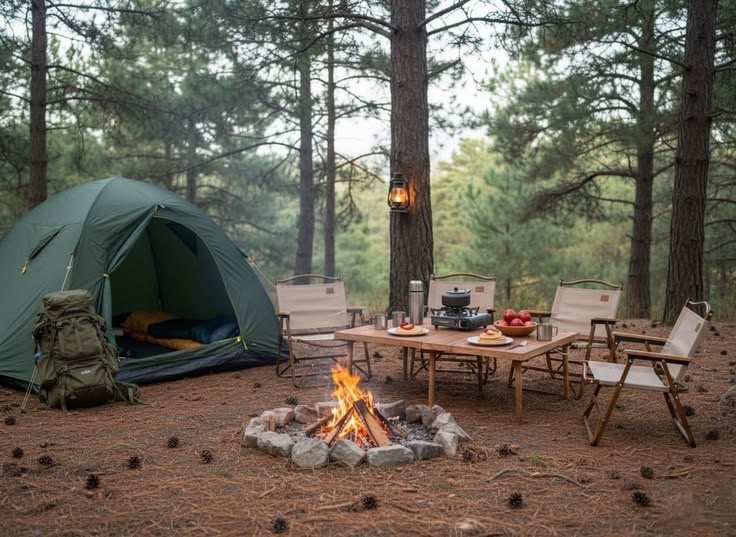
Small design details can significantly improve comfort. Multiple doors reduce the need for people to climb over each other, while vestibules provide useful covered space for muddy shoes and some equipment.
Other useful features may include:
- Interior storage pockets
- Gear lofts
- Multiple entrances
- Vestibules
- Lantern loops
- Electrical cable access
- Removable room dividers in larger tents
These features are particularly useful for families spending several nights at the same campsite.
Build Your Tent Choice Around Your Camping Gear
Your tent is only one part of your overall camping essentials. Think about how it will work with your sleeping bag, sleeping pad, backpack, cooking equipment and other outdoor equipment.
A large tent may provide excellent comfort but take up valuable vehicle space. A lightweight tent may fit easily inside a backpack but require more careful organisation.
Before buying, consider your entire equipment setup rather than judging the tent in isolation.
Frequently Asked Questions
What size camping tent should I buy?
Choose a capacity based on the number of people sleeping inside and how much equipment you need to store. If you want additional comfort, consider choosing a tent rated for one or two more people than your group size.
Are waterproof tents completely waterproof?
No tent should be assumed to provide unlimited protection in every weather condition. Check the manufacturer’s waterproofing specifications, rainfly coverage, floor construction and seam protection before buying.
What is the difference between a family tent and a backpacking tent?
Family tents prioritise space and comfort, while backpacking tents generally prioritise low weight and compact packed dimensions. Your camping style should determine which features matter most.
Is a three-season tent enough for most campers?
For many recreational campers, a three-season tent provides a practical balance of weather protection, ventilation and weight. Winter camping in severe conditions may require a purpose-built four-season model.
What should I look for in a camping tent?
Focus on capacity, weather resistance, weight, packed size, ventilation, setup, durability and useful features such as vestibules and storage pockets.
Conclusion: Choose a Tent That Matches Your Adventure
The best camping tents are not necessarily the largest, lightest or most expensive. The right choice depends on where you camp, how many people are travelling with you, the expected weather and how far you need to carry your equipment.
Use this camping tent buying guide to compare capacity, waterproofing, season rating, weight, ventilation, setup and durability. For family camping, prioritise space and comfort. For backpacking, focus on portability and pack weight. Whatever your outdoor plans, choosing a tent that matches your actual needs will make camping more comfortable and enjoyable.
Ready to prepare for your next adventure? Explore SCHEELS’ camping tents and outdoor equipment to find a shelter that fits your camping style and upcoming trip.