Perfect homes are exhausting.
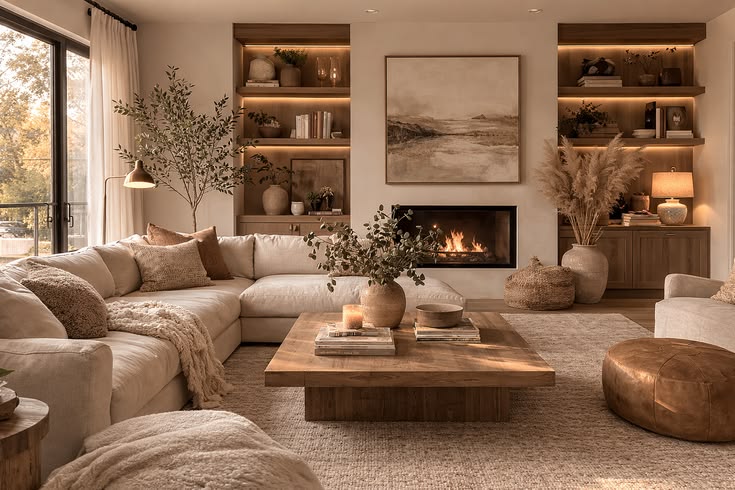
The internet spent years convincing people that every kitchen should look professionally staged, every shelf should be color-coordinated, and every room should resemble a boutique hotel lobby.
But slowly, people are pushing back.
Homes are becoming more personal, more flexible, and honestly, more realistic.
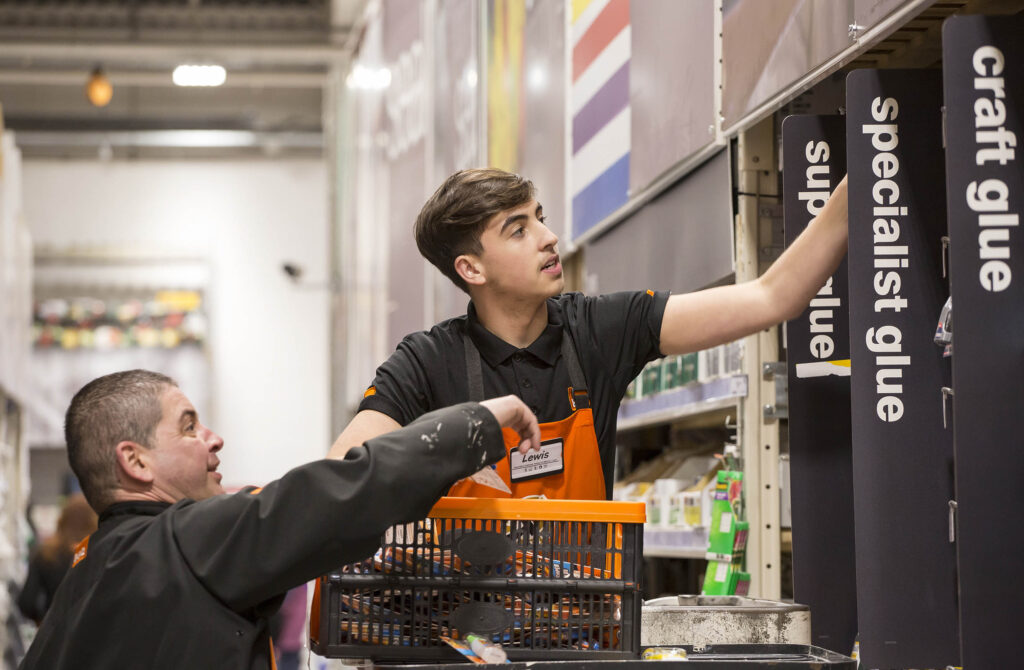
That’s where B&Q quietly thrives. Not because it sells fantasy interiors, but because it supports homes that are actually lived in.
For families, renters, creators, busy professionals, and practical homeowners, the appeal feels grounded. People searching for realistic home improvement ideas for busy everyday lifestyles are often trying to create spaces that support life instead of performing for social media. At the same time, interest in affordable diy solutions for homes that prioritize comfort over perfection continues growing because people increasingly value emotional comfort over visual pressure.
The anti-perfection movement isn’t anti-style.
It’s anti-pressure.
Why “Instagram Homes” Started Feeling Emotionally Distant
For a while, people treated interiors almost like social media branding. Everything needed to photograph well.
But eventually many homes started feeling performative instead of comforting. Too fragile. Too curated. Too designed for visibility rather than actual living.
B&Q naturally fits the backlash against that culture because it focuses more on usability, adaptability, and approachable projects. Someone searching for practical interior upgrades that still feel modern and stylish usually isn’t looking for a showroom, they’re looking for balance.
Meanwhile, searches around how to create homes that feel comfortable instead of overly curated continue increasing because people are tired of spaces that look beautiful but feel emotionally cold.
People increasingly want spaces that support life, not content creation.
Homes Are Becoming Multi-Mood Environments
Modern homes constantly change purpose throughout the day.
A dining area becomes a workspace. A spare corner becomes a workout zone. A garden becomes a social area. A bedroom becomes a recovery space after overstimulating workdays.
This shift changed how people approach home improvement entirely.
B&Q aligns with this flexibility through products connected to adaptable home layouts for modern hybrid lifestyles. At the same time, many homeowners exploring easy diy projects that improve home functionality without major renovation costs are trying to make existing spaces feel more cooperative without overspending.
Modern homes increasingly need emotional versatility.
DIY Is Becoming a Form of Identity Expression
There’s something deeply personal about improving spaces yourself.
It creates emotional attachment.
People remember the wall they painted together. The shelving they built. The garden they slowly transformed over months. DIY creates memory, not just decoration.
That’s why B&Q increasingly appears in searches for creative diy home projects that reflect personal style naturally. Many people also gravitate toward ways to personalize living spaces without expensive interior designers because personalization now matters more than perfectly following trends.
Ownership feels different when you physically shape the environment yourself.
The Return of Imperfect Design
Perfect symmetry is fading.
Homes increasingly feature mixed textures, unfinished woods, handmade elements, layered lighting, slightly imperfect paint finishes, and practical layouts that prioritize feeling over precision.
B&Q benefits because it supports experimentation rather than intimidating perfectionism. Interest in warm imperfect interior design ideas for realistic modern homes reflects a broader cultural move toward authenticity.
At the same time, searches around how to make homes feel personal instead of showroom perfect continue growing because people increasingly associate imperfection with emotional warmth.
Imperfection now signals authenticity.
Why People Suddenly Care About Utility Rooms and Storage
Something unexpectedly interesting happened recently.
People became obsessed with practical spaces. Laundry organization. Garage systems. Storage walls. Garden sheds. Functional hallways.
Because daily friction accumulates psychologically.
When homes operate smoothly, people genuinely feel calmer. That’s why B&Q performs strongly around practical storage ideas that improve household routines daily. Similarly, homeowners searching for smart organization upgrades for reducing clutter and visual stress are often trying to reduce invisible mental fatigue they experience every day.
The most emotionally valuable upgrades are often the least glamorous.
Modern Homeowners Want Progress, Not Perfection
Massive renovations feel financially intimidating for many households.
But smaller achievable projects feel empowering.
A painted fence. New shelving. Outdoor lighting. Updated flooring. Better storage. A reorganized workspace.
B&Q succeeds because it allows incremental improvement instead of demanding dramatic transformation immediately. Interest in affordable gradual home improvement strategies for modern homeowners continues rising because progress feels more sustainable when broken into manageable upgrades.
Likewise, easy diy upgrades that improve homes over time naturally appeal to people who want movement without overwhelming pressure.
Progress feels sustainable.
Q&A: What Realistic Homeowners Are Actually Asking
Q1: Why are people moving away from hyper-perfect interiors?
Because highly curated homes often feel emotionally cold or unrealistic. Growing interest in comfortable realistic home design trends replacing minimalist perfection reflects a broader emotional shift toward warmth and practicality. Similarly, searches around creating homes designed for living rather than social media aesthetics continue increasing rapidly.
Q2: Is DIY becoming more emotionally meaningful?
Absolutely. DIY increasingly overlaps with creativity, self-expression, and emotional ownership. That’s why searches for diy projects that strengthen emotional connection to homes continue growing alongside interest in creative home improvement activities for stress relief and identity expression.
Q3: Are smaller improvements more practical than full renovations?
For many people, yes. Incremental upgrades reduce financial pressure and feel psychologically achievable. Interest in small home upgrades with long term lifestyle benefits reflects this shift toward gradual improvement. Likewise, budget friendly alternatives to major renovation projects are becoming increasingly attractive during uncertain economic periods.
Q4: Why is home organization suddenly so important?
Because clutter creates constant low-level cognitive stress. Many people exploring organization systems that improve everyday efficiency and calmness are ultimately trying to reduce invisible mental overload. At the same time, practical storage solutions for modern busy households have become increasingly essential in smaller multifunctional homes.
Homes Feel Better When They Stop Trying So Hard
The most comforting homes rarely look perfect.
They simply feel lived in, adaptable, warm, functional, and emotionally safe.
B&Q succeeds because it quietly supports this cultural movement away from performative perfection and toward practical emotional comfort.
If your home currently feels like a space you manage instead of enjoy, maybe the answer isn’t chasing another trend. Maybe it’s making your environment more forgiving, more useful, and more personal.
Explore realistic diy home ideas that improve comfort without unrealistic expectations and discover how practical home upgrades can make daily routines feel significantly easier and calmer.
Because increasingly, the best homes aren’t the most impressive.
They’re the easiest to live inside.