Affiliate Disclosure: Just a quick heads up, this article contains some affiliate links. If you come across something you like and decide to buy, we may earn a small commission at no extra cost to you. It simply helps us keep doing what we love, testing, researching, and sharing what’s genuinely worth your time.
Most people treat Bershka, Zara, and H&M as interchangeable fast fashion brands — and that’s exactly why they end up buying clothes they rarely wear.
The real difference isn’t just price or style. It’s how each brand is meant to be used.
If you pick the wrong brand for the wrong purpose, you either:
- Overpay for something you won’t wear often
- Or buy something cheap that doesn’t deliver the look you wanted
This guide breaks down what each brand is actually good for, when to choose one over the other, and how to avoid the most common shopping mistakes.
Why You Can Trust This Comparison
This comparison is based on:
- Real-world evaluation of fit, quality, and repeat wear
- How these brands are actually used by shoppers (not just how they’re marketed)
- A buyer-first approach focused on getting value from what you wear
Quick Verdict: What Should You Choose?
- Choose Bershka if you want trend-driven outfits for specific occasions
- Choose Zara if you want versatile pieces that elevate your wardrobe
- Choose H&M if you want affordable basics and fillers
Default recommendation:
For most people, Zara is the safest foundation — and Bershka works best as a supplement for trend pieces.
Bershka vs Zara vs H&M: Comparison Table
| Feature | Bershka | Zara | H&M |
|---|---|---|---|
| Price Range | Low–Mid | Mid–High | Low |
| Style | Trend-heavy | Fashion-forward | Basic to trendy |
| Quality | Moderate | Better | Inconsistent |
| Longevity | Low | Medium | Low–Medium |
| Best Use | Statement outfits | Everyday elevated wear | Basics |
Bershka: Best for Trend-Driven, Short-Term Fashion
Best for: Outfits you want to wear right now, not next year
Bershka is built for immediacy. It reflects what’s trending in the moment — not what lasts.
What Bershka Does Better Than Others
- Quickly adapts to current trends
- Offers bold, eye-catching pieces
- Makes it easy to experiment with style
Compared to Zara, Bershka is less about refinement and more about visual impact.
Where Most People Go Wrong with Bershka
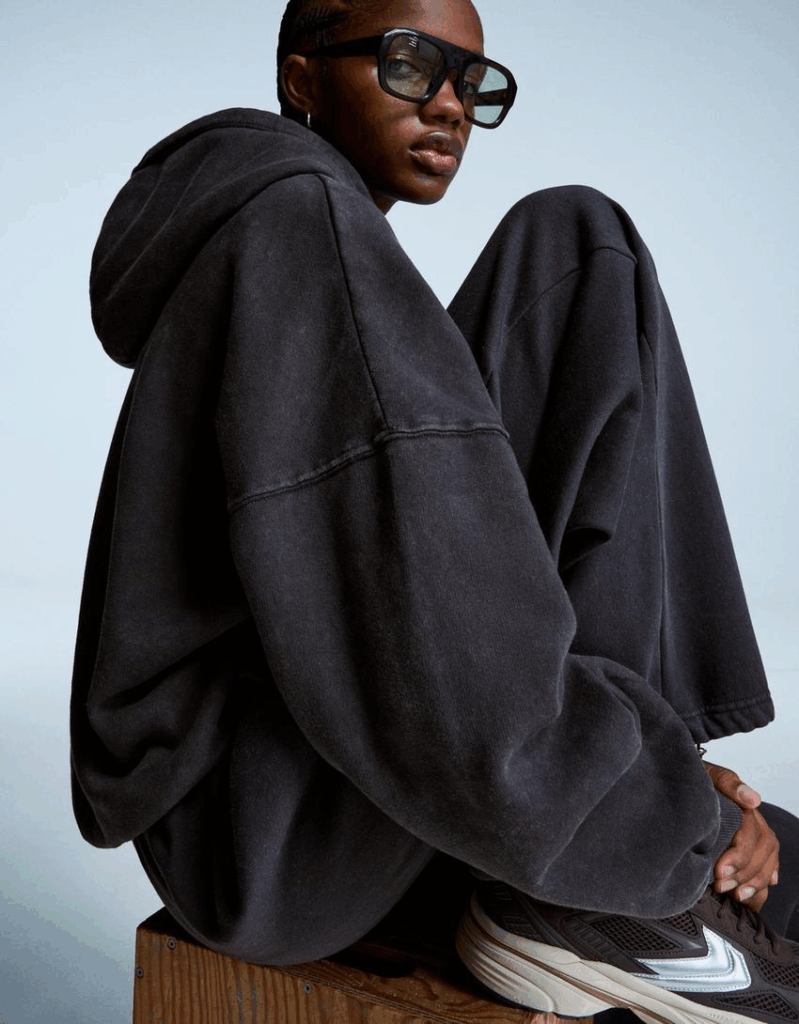
A common mistake is expecting Bershka to function like a long-term wardrobe brand.
It doesn’t.
Most Bershka pieces are designed for:
- Occasions
- Short-term style cycles
- Social or trend-driven use
If you buy Bershka expecting durability or versatility, you’ll likely be disappointed.
What You’re Actually Paying for
- Trend relevance
- Immediate style impact
- Lower upfront cost
You’re not paying for longevity — and that’s intentional.
Explore Bershka’s latest collections and current trends
Zara: Best for Building a Versatile, Elevated Wardrobe
Best for: Clothes you can wear across multiple situations
Zara sits in a more balanced position — it blends trend awareness with structure and wearability.
What Zara Does Better Than Others
- More polished and structured designs
- Better versatility across occasions
- Stronger overall presentation
Compared to Bershka, Zara pieces are more likely to:
- Work for both casual and semi-formal settings
- Stay relevant beyond one season
Where People Misjudge Zara
Many assume Zara always equals high quality.
That’s not entirely true.
- Some pieces are well-constructed
- Others still fall into fast fashion limitations
The key is being selective — not everything in Zara is worth the price.
What You’re Actually Paying for
- Better design execution
- More versatile styling
- A slightly more “put-together” look
For most users, Zara is the most practical starting point.
H&M: Best for Affordable Basics and Fillers
Best for: Everyday essentials and low-cost wardrobe additions
H&M is less about standing out and more about filling gaps in your wardrobe.
What H&M Does Better Than Others
- Very affordable pricing
- Wide range of basics
- Easy access to everyday pieces
Compared to Bershka and Zara, H&M is more about function than fashion identity.
Where H&M Falls Short
- Quality varies significantly
- Trend execution is less sharp
- Some items lack structure and fit
A common mistake is relying on H&M for statement pieces — it’s not designed for that.
What You’re Actually Paying for
- Affordability
- Accessibility
- Basic functionality
How to Actually Shop These Brands Smartly
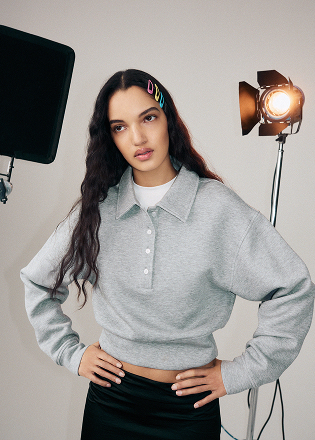
This is where most people get it wrong.
Instead of choosing one brand, use them strategically:
- Use Zara for your core wardrobe (jackets, trousers, structured pieces)
- Use Bershka for trend-driven additions (going-out outfits, statement items)
- Use H&M for basics (t-shirts, layering pieces, casual wear)
This combination gives you:
- Style
- Versatility
- Cost efficiency
Which Brand Should You Choose Based on Your Situation?
- Buying for a party or event: Bershka
- Building a long-term wardrobe: Zara
- Shopping on a tight budget: H&M
- Want to look more polished: Zara
- Want to experiment with trends: Bershka
Key Differences That Actually Matter
Trend vs Longevity
- Bershka → Trend-first
- Zara → Balanced
- H&M → Basic
Price vs Value
- H&M → Lowest cost
- Bershka → Affordable trends
- Zara → Better cost-to-wear value
Styling Outcome
- Bershka → Bold, noticeable
- Zara → Clean, elevated
- H&M → Simple, functional
Final Verdict
These brands are not interchangeable — and treating them that way is where most people go wrong.
For most users:
- Start with Zara for your foundation
- Add Bershka for trend-driven pieces
- Use H&M to fill gaps affordably
If your goal is to look well-dressed without overspending or wasting purchases, this approach works far better than relying on any single brand.
Frequently Asked Questions
Is Bershka better than Zara?
Bershka is better for trends, while Zara is better for versatility and overall wardrobe value.
Is Bershka good quality?
Bershka offers moderate quality, suitable for short-term and trend-based use.
Which brand is best for everyday wear?
Zara is generally the best option for everyday wear due to its balance of style and versatility.
Is H&M worth it for clothing?
Yes — H&M is worth it for basics and budget-friendly items, but not ideal for statement fashion.
Which brand is best for trendy outfits
Bershka is the strongest choice for trend-driven outfits and fast-changing styles.
Final Verdict
These brands are not interchangeable, and the best results usually come from using them differently rather than choosing only one.
Zara works well for building a foundation wardrobe, and H&M is useful for basics and everyday essentials.
But when it comes to adding trend-driven pieces, statement outfits, and styles that feel current, Bershka is usually the brand that makes the biggest difference.
A practical approach is to build your basics first, then use Bershka to add trend pieces and seasonal styles. This way your wardrobe stays both practical and interesting, instead of just practical.
If your goal is to look more current, experiment with style, and add outfits that stand out a little more, Bershka is often the brand that helps you do that.
If you want to see what Bershka is doing right now, it is worth checking their current collection because their best pieces are usually trend-driven and seasonal.