Affiliate Disclosure: This article may contain affiliate links. If you purchase through them, we may earn a small commission at no extra cost to you. This helps support our research and editorial work.
Most people believe online privacy begins and ends with one action.
Using a VPN to hide your IP address online.
While encrypted connections are an important first step, modern digital privacy has evolved far beyond that single layer of protection. Today, sophisticated tracking systems monitor user behavior across websites, apps, advertising networks, and even data broker marketplaces.
The surprising truth is that many internet users rely on outdated privacy habits that no longer protect your data online.
Meanwhile, cybersecurity platforms have quietly developed powerful tools designed to block trackers, hide identity signals, detect breaches, and secure browsing environments.
Many users now search for the best VPN for privacy protection and online security but discover that privacy tools have evolved into something much broader.
These tools remain underused, even though they can dramatically improve how private and secure your online activity really is.
Once you understand how layered digital privacy systems protect your identity, it becomes clear why privacy experts often say “true online protection is built in layers.”
The Modern Internet Is Built on Tracking
The internet many people imagine no longer exists.
In the early days of the web, most websites simply delivered content. Today, many websites operate as complex advertising ecosystems.
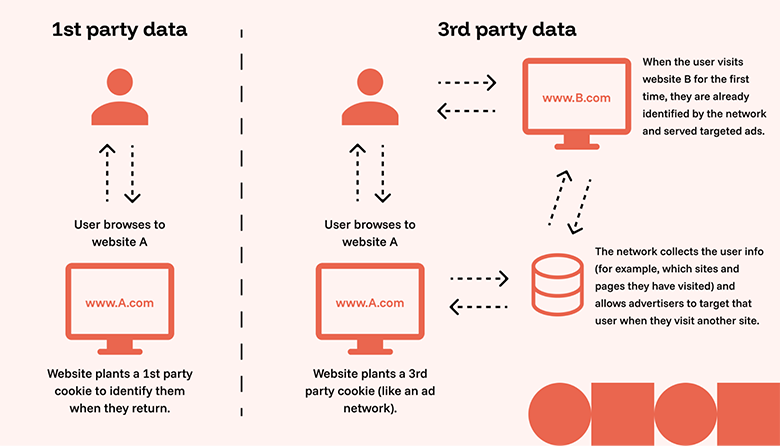
Every visit may trigger dozens of background connections to third-party services that collect behavioral data.
These systems track things like:
Pages you visit
Links you click
Search queries
Purchase behavior
Device information
Approximate location
Advertising networks use this data to build detailed profiles of users.
These profiles determine which ads appear, how websites personalize content, and sometimes how pricing or recommendations are displayed.
Most of this tracking happens invisibly.
This is why many privacy experts recommend tools designed to block online trackers and advertising surveillance.
Some users now rely on VPN services that block trackers and advertising scripts automatically to reduce the amount of data collected while browsing.
Privacy researchers often refer to the modern web as a surveillance system hidden inside everyday websites.
Why Basic Privacy Tools Are No Longer Enough
Traditional privacy advice usually includes simple steps:
Use strong passwords
Enable two-factor authentication
Browse with HTTPS connections
These are important for security, but they do not address the full scope of modern tracking.
Tracking systems operate through multiple mechanisms including cookies, browser fingerprinting, advertising IDs, and IP-based data collection.
Even if one method is blocked, others may still function.
This is why many users now search for advanced privacy tools that protect your identity across the internet.
Effective protection usually requires a secure VPN for anonymous browsing combined with tracker blocking tools.
These layers may include encrypted connections, tracker blocking, identity masking, and breach monitoring.
When combined, they create a far stronger barrier against data collection.
Platforms like Surfshark have begun integrating several of these protections into a single ecosystem so users do not need separate tools for each layer.
The result is what cybersecurity specialists often describe as privacy protection that works automatically in the background.
Tracker Blocking: The First Line of Defense
One of the simplest but most effective privacy tools is tracker blocking.
When enabled, these systems prevent advertising scripts and tracking pixels from loading in the first place.
This accomplishes two things simultaneously.
First, it stops many tracking networks from collecting browsing data.
Second, it improves browsing speed by eliminating unnecessary scripts and advertisements.
Many users specifically search for VPN tools that block ads and trackers automatically.
Some privacy platforms incorporate tracker blocking directly into their network layer.
For example, Surfshark includes a feature called CleanWeb designed to block ads, trackers, and malicious domains before they load.
Instead of relying entirely on browser extensions, this type of filtering works at the connection level.
The result is what many users describe as a faster internet experience with fewer ads and trackers.
MultiHop Connections Add an Extra Privacy Layer
Most encrypted connections route internet traffic through a single secure server.
For many users, this is sufficient.
However, advanced privacy setups sometimes route traffic through multiple servers in different locations.
This technique is often called MultiHop or double VPN routing.
The idea is simple.
Instead of sending your data through one encrypted tunnel, it travels through two or more. Each server adds another layer of separation between the user and the final destination.
Even if someone were able to observe part of the network path, they would not easily connect the entire chain.
Privacy enthusiasts often research VPN services that offer multi-hop encrypted routing for extra anonymity.
These configurations are sometimes described as advanced VPN privacy setups designed for anonymous browsing.
Surfshark offers MultiHop routing as one of its advanced privacy features, allowing users to create more complex encrypted pathways for sensitive browsing activities.
For everyday browsing, this may not always be necessary.
But for users concerned about high levels of privacy, it can add an additional layer of protection.
Identity Protection Is Becoming Essential
Data breaches have become alarmingly common.
Major companies across industries have experienced incidents where customer databases were exposed or leaked online.
When this happens, sensitive information such as email addresses, passwords, or phone numbers may appear in breach databases circulating across the internet.
Many users remain unaware that their personal data has been compromised.
This is why people increasingly look for VPN platforms with built-in breach monitoring tools.
Modern privacy platforms include tools that alert you when your email or password appears in a data breach.
Surfshark provides a feature called Alert that scans breach databases and notifies users if their credentials appear in compromised records.
This type of monitoring is often described as VPN identity protection against data breaches.
This allows users to respond quickly by changing passwords or securing affected accounts.
In a world where breaches happen frequently, early detection can significantly reduce the damage caused by stolen credentials.
Private Search Is the Next Step for Privacy

Search engines are among the largest collectors of personal data.
Every query reveals information about interests, concerns, purchases, and daily activities.
Traditional search engines often store this data to personalize results and improve advertising targeting.
Many privacy-conscious users now search for private search engines that do not track your browsing history.
Some users also rely on VPN tools with built-in private search functionality to avoid data profiling.
Private search tools take a different approach.
Instead of storing user queries or building behavioral profiles, they process searches without associating them with personal accounts or browsing history.
Some privacy platforms now integrate private search tools directly into their ecosystems.
For example, Surfshark Search provides a private search engine without targeted ads or tracking.
This allows users to explore information online without contributing to long-term behavioral profiles.
For privacy-conscious users, this is often considered one of the most important upgrades beyond basic VPN protection.
The Future of Personal Digital Privacy
Digital privacy is no longer just about hiding your IP address.
It has evolved into a broader ecosystem of tools designed to protect identity, reduce tracking, and secure browsing environments.
The most effective privacy strategies now combine several technologies working together:
Encrypted connections protect traffic.
Tracker blockers reduce surveillance.
Identity monitoring detects breaches.
Private search tools limit data collection.
Many people now look for complete privacy platforms rather than standalone VPN services.
Solutions like Surfshark’s integrated privacy and cybersecurity suite combine these protections into one system.
This approach is often described as the next generation of VPN and digital privacy protection.
As the internet continues to evolve, these layered systems will likely become standard tools rather than optional upgrades.
Because the modern web was built for data collection.
And protecting your privacy increasingly requires tools designed to push back against that system.