Affiliate Disclaimer: This article contains affiliate links. If you purchase through these links, we may earn a small commission at no additional cost to you. This helps support our research and content creation.
Budget furniture is everywhere.
And for good reason.
It’s accessible, affordable, and often surprisingly stylish.
But the real question is:
Does it actually hold up over time?
Or are you just saving money today to spend more tomorrow?
Let’s break it down honestly.
Why Budget Furniture Is So Popular
Affordability is the obvious reason.
But there’s more to it.
Accessibility
Budget furniture is widely available and easy to transport.
Design Appeal
Modern designs make even low-cost pieces look premium.
Convenience
Flat-pack systems simplify logistics and setup.
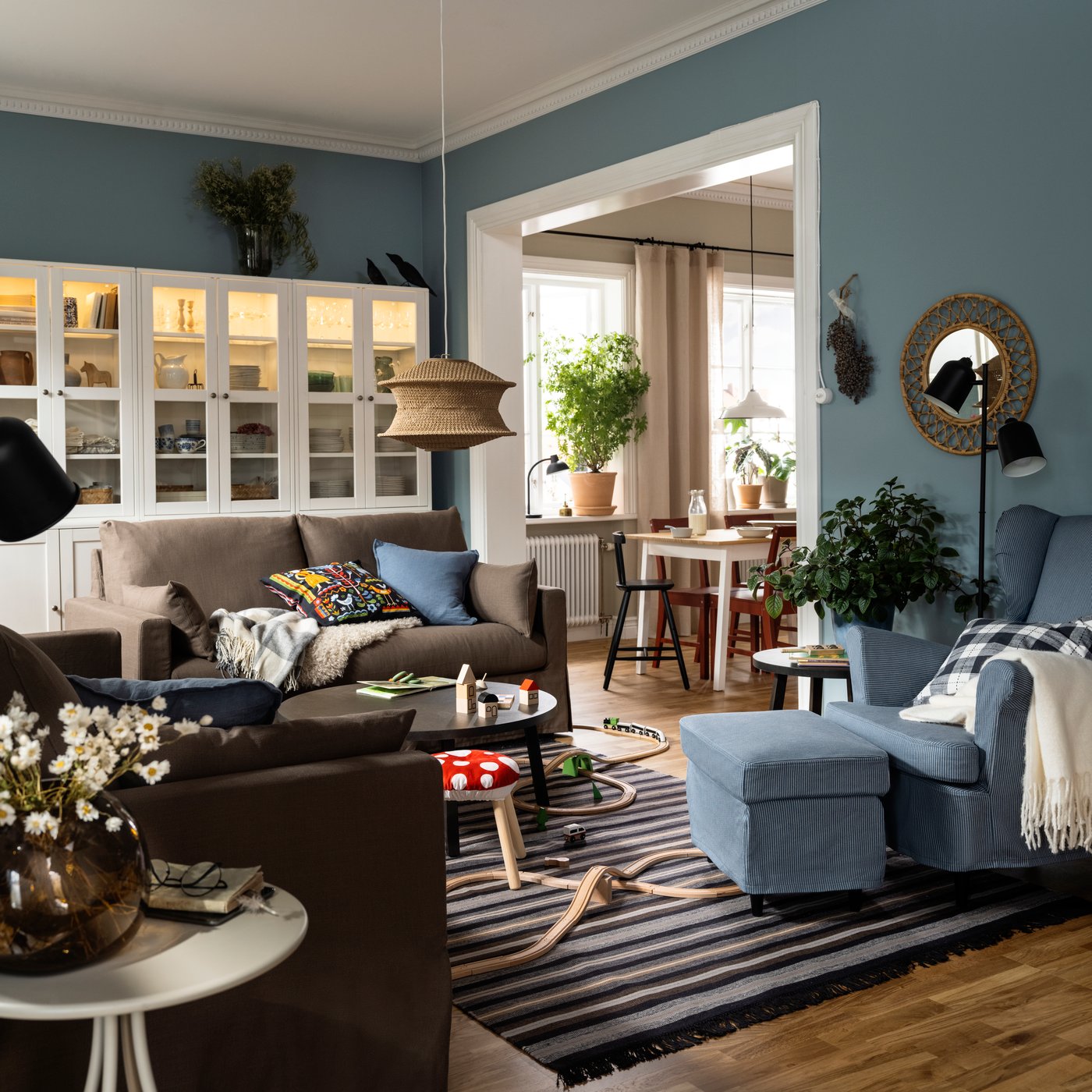
This is why brands like IKEA have become household names globally.
They’ve made furniture accessible without making it feel cheap.
The Reality of Durability
Here’s where things get nuanced.
Budget furniture is not designed to last forever.
But that doesn’t mean it’s low value.
Typical Lifespan
- Light use: several years
- Heavy use: shorter lifespan
Material Differences
Engineered wood and lighter materials reduce cost but also affect durability.
This leads to an important realization:
“You’re not just buying furniture, you’re buying a lifespan.”
Where IKEA Stands Out
Among budget brands, IKEA has carved out a unique position.
Strengths
- Smart design for everyday use
- Modular flexibility
- Wide product ecosystem
- Consistent affordability
Why It Works
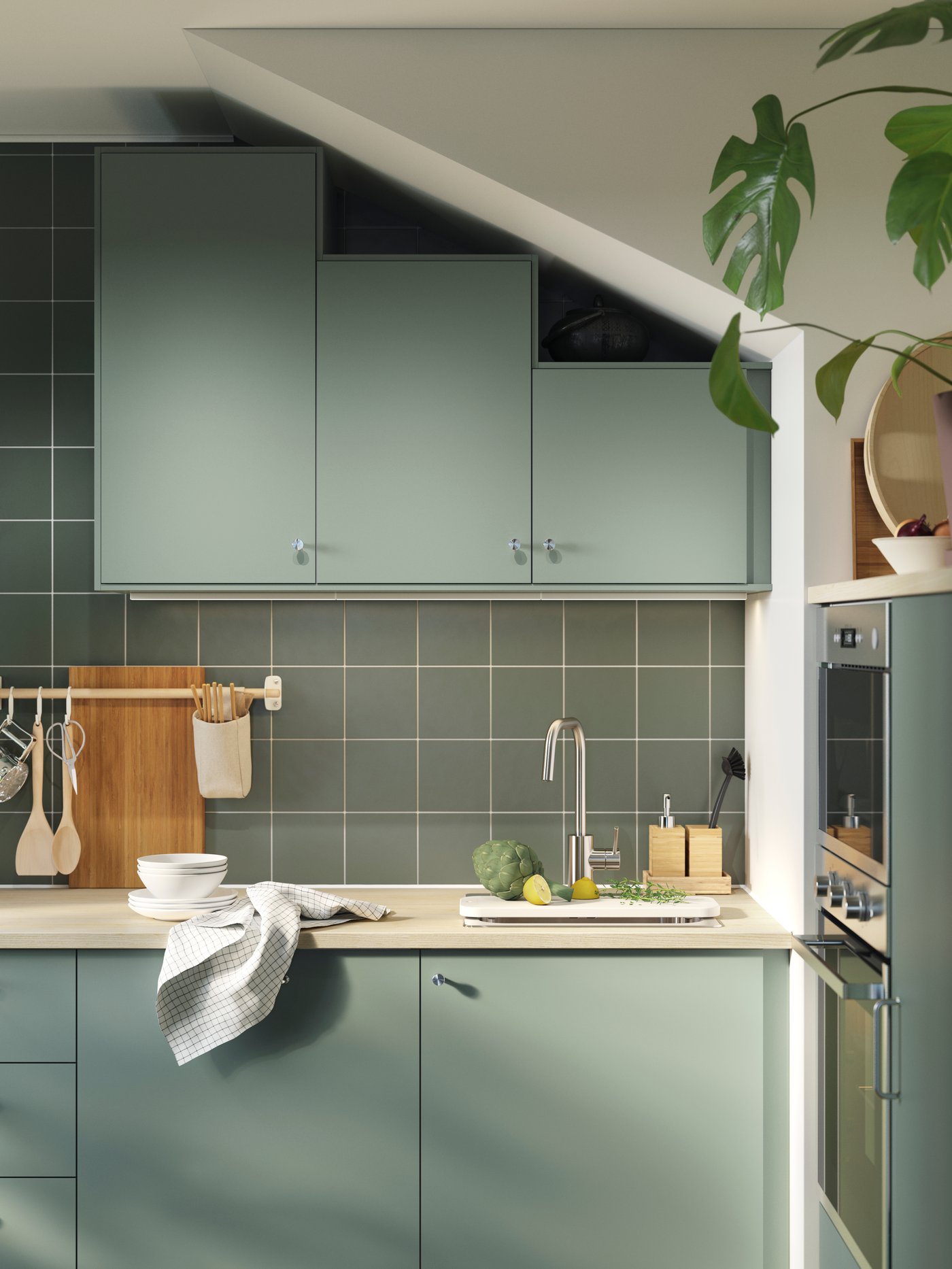
Instead of trying to compete with premium brands, IKEA focuses on practicality.
That clarity makes it easier for buyers to know what they’re getting.
Cost vs Replacement Cycle
Here’s the key trade-off.
Budget furniture may need replacement sooner.
But the lower upfront cost can still make sense.
If you move frequently or like updating your space, this flexibility becomes an advantage.
This is a “hidden benefit most people only realize after moving homes.”
When Budget Furniture Makes Sense
Renters
Temporary living situations benefit from lower-cost options.
Students
Affordability and portability are key.
Frequent Movers
Lightweight furniture is easier to relocate.
When It Might Not Be Enough
Long-Term Homes
Durability becomes more important.
Heavy Daily Use
Higher-quality materials may be worth the investment.
Final Verdict: Smart Choice or Short-Term Fix?
Budget furniture is not inherently bad.
It’s simply designed for a different purpose.
If you understand its strengths and limitations, it can be a smart and practical choice.
And among the available options, IKEA stands out as a brand that has mastered the balance between cost, usability, and modern design.
It’s not about buying the cheapest option.
It’s about buying the right option for your lifestyle.