







“This article may contain affiliate links. If you purchase through these links, we may earn a commission at no additional cost to you.”
In a fashion landscape where trends move at algorithm speed, few brands understand youth culture like Bershka. Owned by the Inditex Group, the same parent company behind Zara, Bershka has built its identity around Gen Z street style, bold silhouettes, and accessible pricing.
But in 2026, when shoppers are more conscious about quality, sustainability, and value, the real question is simple:
Is Bershka actually worth your money?
This in-depth breakdown covers quality, pricing, fit, durability, style relevance, and who should buy from Bershka; and who should skip it.
What Bershka Really Offers in 2026
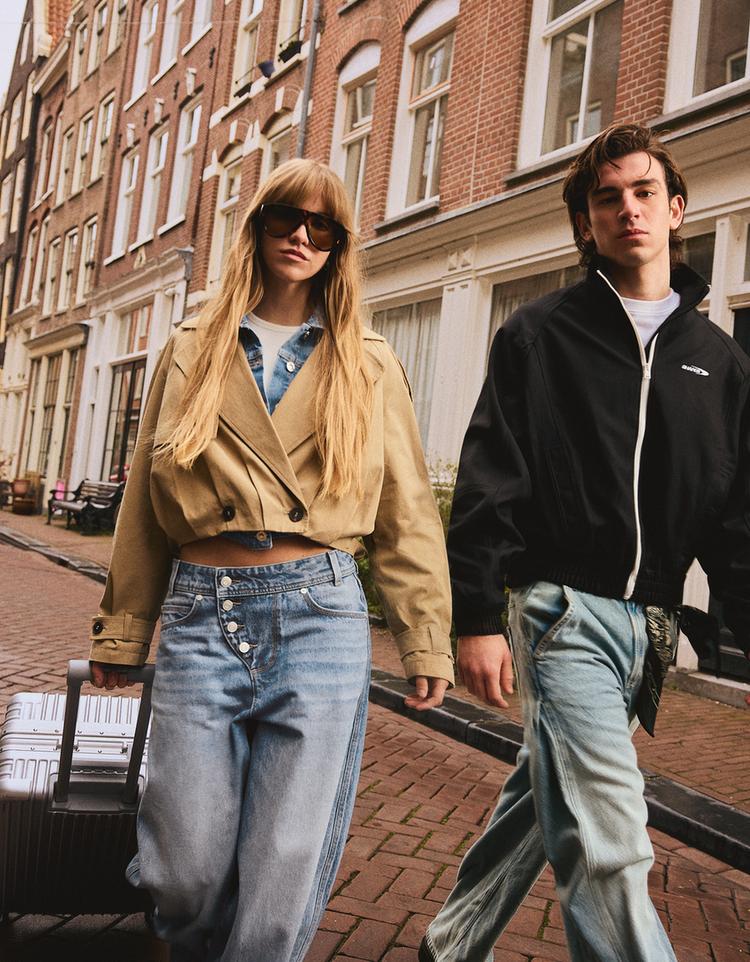
Bershka operates in the fast-fashion segment, but it doesn’t compete on basics alone. The brand’s core strength lies in trend interpretation — oversized silhouettes, cargo detailing, fitted knits, Y2K influences, and streetwear-inspired layering.
Core categories include:
Women’s trend pieces
Men’s streetwear
Denim collections
Statement outerwear
Footwear and accessories
Unlike heritage brands focused on timeless staples, Bershka prioritizes relevance. Drops are frequent. Styles rotate quickly. Inventory adapts to viral aesthetics.
That means you shop here for impact pieces — not generational heirlooms.
Quality Breakdown: What You Can Expect
Quality is where most shoppers hesitate. The answer isn’t black and white.
Fabric & Construction
Most garments are made from:
Cotton blends
Polyester
Viscose
Elastane stretch mixes
Stitching is generally consistent for the price tier. However, premium-level tailoring or high-end finishing is not the brand’s focus.
Denim tends to perform better than ultra-thin tops. Outerwear quality varies depending on material composition.
If you’re expecting luxury craftsmanship, you’ll be disappointed.
If you’re expecting trend-focused wearability for a season or two, you’ll likely be satisfied.
Durability
With proper care (cold wash, air dry), many pieces last 1–3 years in rotation. Heavily worn knits and thin synthetics may show wear sooner.
The brand’s sweet spot is moderate-use fashion — not daily heavy-duty wear.
Pricing: Is It Good Value?

Bershka pricing typically falls into these ranges:
Tops: Affordable entry-level
Jeans: Mid-range within fast fashion
Outerwear: Competitive but slightly higher than ultra-fast competitors
Shoes: Budget to moderate
Compared to brands like Zara, Bershka is slightly more affordable. Compared to ultra-cheap marketplaces, it offers better construction and in-store quality control.
Here’s where value becomes clear:
Denim often punches above its price point.
Statement jackets deliver strong style impact for the cost.
Trend pieces offer runway-inspired silhouettes without designer pricing.
For students and early-career professionals, the cost-to-style ratio is attractive.
Style Relevance: Where Bershka Wins

If there’s one area where Bershka consistently excels, it’s cultural alignment.
The brand captures:
Y2K revival
Street minimalism
Oversized tailoring
Cargo and utility aesthetics
Fitted ribbed knits
Monochrome capsule looks
Their collections often reflect TikTok-driven fashion cycles before they peak.
For shoppers who want to look current without spending designer prices, this is where Bershka becomes compelling.
Fit Guide: Who It Works Best For
Sizing typically runs true to size, but silhouettes lean toward:
Oversized tops
High-rise bottoms
Slim-fit knits
Cropped proportions
Petite shoppers may find oversized pieces dramatically loose. Tall shoppers often appreciate the length in cargo and wide-leg trousers.
Trying in-store can help, but online reviews and size charts are generally reliable.
Sustainability & Brand Responsibility
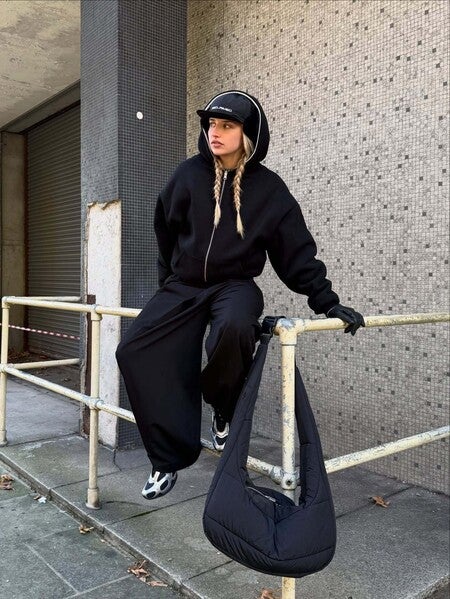
Bershka, as part of Inditex, participates in broader sustainability initiatives such as increased use of recycled fibers and eco-efficient stores.
However, it remains within the fast-fashion ecosystem. That means production cycles are rapid, and environmental impact is still significant.
If your priority is minimal consumption and long-term wardrobe building, you may want to shop selectively rather than frequently.
If your priority is accessible trend fashion, the trade-off may feel acceptable.
Who Should Buy from Bershka?
Bershka is ideal for:
Trend-focused Gen Z shoppers
Students building a stylish wardrobe on a budget
Anyone experimenting with silhouettes
Fashion-conscious buyers wanting seasonal refreshes
It is less ideal for:
Capsule wardrobe purists
Luxury fabric enthusiasts
Long-term investment buyers
Professional corporate dressers
Best Categories to Shop Strategically
To maximize value, focus on categories where the brand performs strongest.
Denim
Oversized blazers
Statement jackets
Cargo trousers
Structured mini skirts
Avoid ultra-thin basics if longevity matters to you.
This selective approach dramatically increases satisfaction.
Online Shopping Experience
The Bershka website is visually aligned with its brand identity — clean, editorial, and youth-oriented.
Pros:
Easy navigation
Frequent new arrivals section
Clear size filters
Modern styling imagery
Returns are straightforward in most regions, though policies vary by country.
For affiliate shoppers, monitoring seasonal promotions can unlock especially strong value.
In-Store Experience
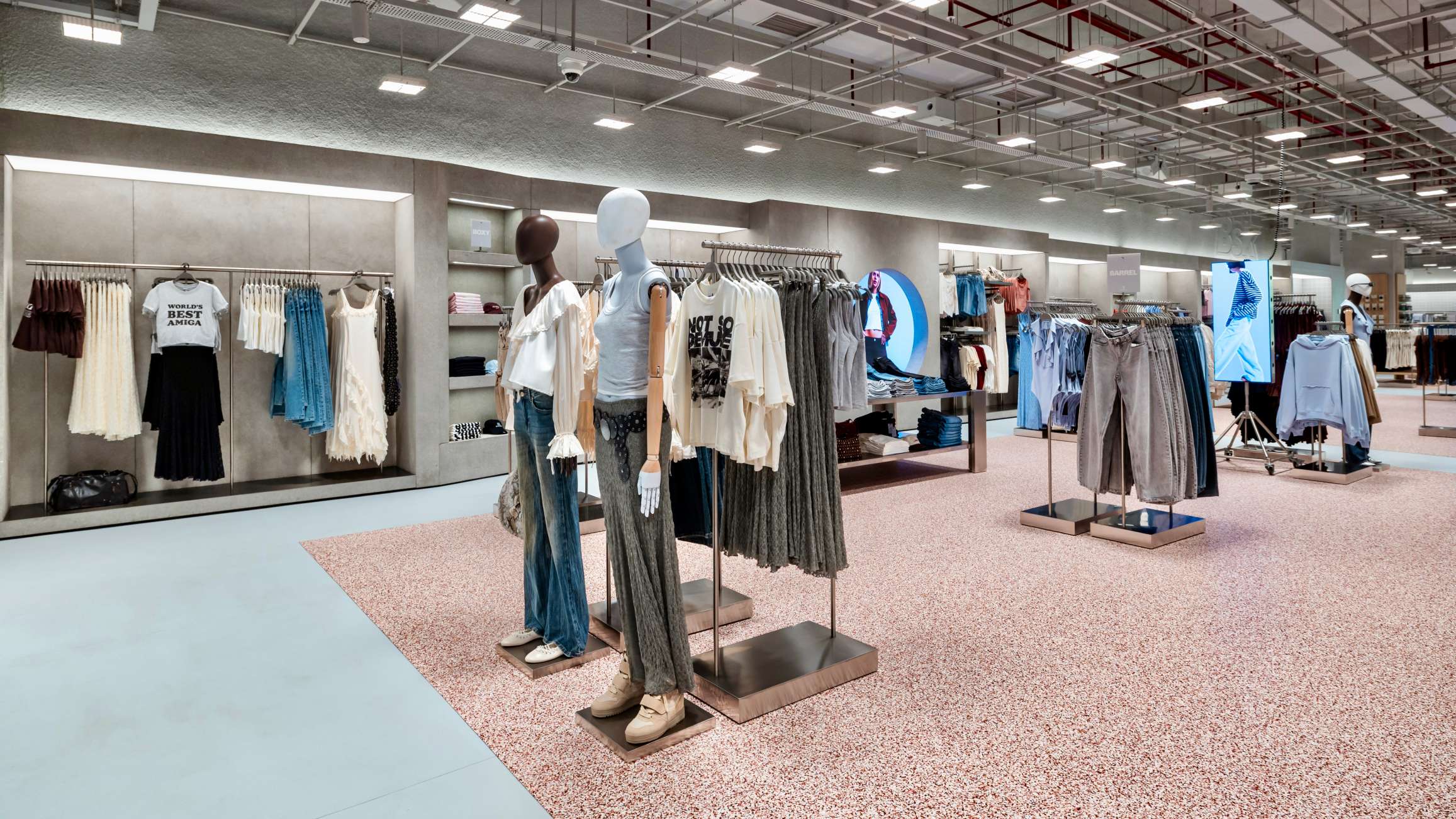
Bershka stores are immersive — loud music, industrial design, and trend-forward visual merchandising.
The shopping atmosphere is intentionally youthful. It feels closer to a streetwear pop-up than a department store.
If you prefer calm retail environments, this may not be your preference. But for its audience, the energy reinforces brand identity.
Comparing Bershka to Similar Brands
Versus Zara:
Bershka is more casual, more experimental, and more youth-driven. Zara leans more refined and slightly higher in fabric quality.
Versus H&M:
Bershka trends skew edgier. H&M offers broader demographic reach.
Versus ASOS:
ASOS provides greater brand variety. Bershka offers stronger in-house aesthetic consistency.
Each serves a slightly different fashion personality.
Final Verdict: Is Bershka Worth It in 2026?
The honest answer is nuanced.
If you expect luxury durability, no.
If you expect accessible trend pieces that feel current and wearable, yes.
Bershka is worth it when you shop intentionally.
Buy structured pieces.
Prioritize denim and outerwear.
Avoid impulse overconsumption.
Used strategically, Bershka becomes a powerful wardrobe enhancer rather than disposable fashion.
For young shoppers navigating budget and style simultaneously, the brand offers one of the strongest cost-to-trend ratios in its category.
And in today’s fast-moving fashion economy, relevance matters.