



From airports to coworking spaces, travelers face constant internet risks. Learn how digital nomads maintain secure, unrestricted access anywhere in the world.
For travelers and digital nomads, internet access is no longer a convenience—it’s infrastructure. Flights are booked online, work is done in the cloud, entertainment is streamed on demand, and communication depends entirely on stable connectivity. Yet the more mobile life becomes, the more fragmented and unpredictable internet access gets.
Moving between countries, networks, and devices introduces challenges most home-based users never encounter. Content disappears, apps behave differently, connections slow down, and security risks multiply. This is why location-independent professionals increasingly treat internet protection and access as a system, not a one-off fix.

This article explores how experienced travelers maintain consistent, secure, and unrestricted internet access, what commonly breaks while on the move, and how long-term solutions differ from temporary workarounds.
Why Internet Access Becomes Unreliable the Moment You Travel
The internet behaves very differently outside your home country. Travelers often notice issues immediately after landing:
- Familiar apps stop working
- Streaming libraries change or disappear
- Websites redirect or block access
- Connections feel slower or unstable
These problems aren’t random. They’re caused by a combination of geo-restrictions, network policies, and routing changes that come with crossing borders.
For digital nomads, these disruptions aren’t occasional annoyances—they’re recurring obstacles.
Geo-Restrictions: The First Barrier Travelers Hit
Many services restrict access based on location, including:
- Streaming platforms
- News sites
- Banking and financial tools
- Work dashboards and SaaS platforms
Licensing rules, fraud prevention systems, and regional regulations all rely on IP-based location detection. When your IP changes, your access changes—even if your account hasn’t.
This is why travelers often find themselves locked out of services they use daily at home.
Public and Semi-Public Networks: A Constant Risk
Travelers rely heavily on:
- Airport Wi-Fi
- Hotel networks
- Cafés and coworking spaces
- Short-term rental internet
These networks are convenient, but they’re also:
- Shared by hundreds of strangers
- Poorly monitored
- Easy targets for interception
Even when connections appear fast, security is rarely guaranteed. For people working remotely, this creates risk not just for personal data, but for professional credentials and client information.
Why Mobile Data Alone Isn’t a Complete Solution
Some travelers switch entirely to mobile data to avoid Wi-Fi risks. While this improves security, it introduces new issues:
- Roaming restrictions
- Throttling after data caps
- Limited coverage in some regions
- Inconsistent speeds
Mobile data reduces some risks but doesn’t solve geo-blocking or long-term access consistency.
How Experienced Travelers Solve These Problems
Seasoned travelers don’t rely on a single fix. They build layers of reliability into their setup:
- Secure connections on any network
- Consistent access to home services
- Protection across multiple devices
- Minimal friction when switching locations
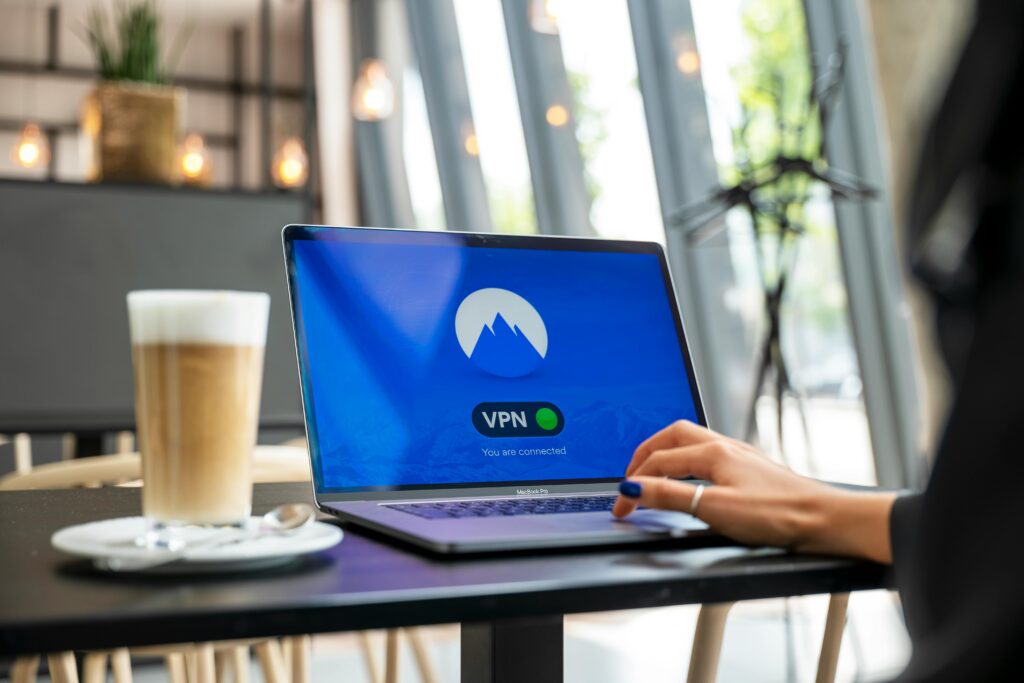
A VPN becomes central to this setup—not as a novelty, but as background infrastructure.
What Travelers Actually Need From a VPN
For nomadic use, VPN requirements differ from casual browsing. Travelers need:
- Stable performance across countries
- Reliable reconnection when networks change
- Consistent access to familiar services
- Strong security on untrusted networks
Surfshark is commonly used in travel scenarios because it’s designed for continuous use across changing environments, rather than short, static sessions.
Unlimited Devices Matter More on the Road
Travelers rarely use just one device. A typical setup might include:
- Laptop for work
- Phone for navigation and communication
- Tablet for entertainment
- Smart TV or streaming device in rentals
Managing protection across all of them becomes tedious if device limits apply. Solutions that allow unlimited or flexible connections simplify life significantly for long-term travelers.
Streaming While Traveling: More Than Entertainment
Streaming isn’t just about leisure. For many travelers, it’s a way to:
- Stay connected to home culture
- Follow live sports across time zones
- Maintain routines while moving
Geo-restrictions disrupt this continuity. Reliable access helps travelers feel grounded, especially during long stays abroad.
Why Reliability Beats Speed for Nomads
Travel internet conditions are unpredictable. Speeds fluctuate, networks drop, and congestion varies by time and place.
For travelers, a stable, consistent connection is often more valuable than peak speed. VPNs that handle brief interruptions gracefully—without exposing data or requiring constant manual resets—perform better in real travel conditions.
Security That Travels With You

Threats change by location. Some regions have higher risks of:
- Network surveillance
- Data interception
- Malicious hotspots
Travelers can’t research every network they join. Encryption that works automatically, everywhere, reduces the need for constant vigilance.
Some modern VPNs also take a forward-looking approach by integrating quantum-resistant encryption techniques into their security models. While this doesn’t change daily usage, it reflects a commitment to long-term resilience—important for people whose lifestyle depends on consistent protection.
Why Free VPNs Don’t Work Long-Term for Travelers
Free VPNs struggle with:
- Limited server locations
- Poor international routing
- Data caps that interrupt work or streaming
- Inconsistent performance across regions
For short tests, they may appear usable. Over weeks or months of travel, their limitations become unavoidable.
Building a “Set and Forget” Internet Setup
Experienced nomads aim for setups that:
- Require minimal daily attention
- Work automatically on new networks
- Scale across devices
- Don’t break during critical moments
Once configured, these tools fade into the background—exactly where infrastructure should be.
FAQs
Do travelers really need a VPN full-time?
For frequent travelers and digital nomads, yes—it simplifies access and improves security.
Is public Wi-Fi always unsafe?
Not always, but risks are high enough that protection is strongly recommended.
Does a VPN slow down internet abroad?
High-quality VPNs minimize speed loss and often improve consistency.
Can I use one VPN across all my devices?
Yes, depending on provider limits.
Is streaming while traveling legal?
Laws vary by country; users should follow local regulations and service terms.
Is future-ready encryption important now?
It’s not urgent, but it reflects stronger long-term security planning.
Final Conclusion
Travel changes how the internet behaves. Services fragment, networks become unreliable, and security risks increase—all while reliance on connectivity grows. For travelers and digital nomads, adapting to this reality means moving beyond short-term fixes and building systems that work everywhere.
Consistent access, reliable security, and minimal friction turn the internet back into a tool rather than a constant obstacle. For those living life on the move, that reliability isn’t a luxury—it’s the foundation that makes location independence possible.