

Most people assume that their internet activity is private. If you are at home using your own WiFi, it feels like what you browse, watch, read, or download is personal. But that is not entirely true. Your internet service provider can see a large part of your online activity, including the websites you visit and how much time you spend online.
This surprises a lot of people because they think privacy issues only come from social media or websites tracking cookies. But your ISP sits between you and the internet, which means they can see much more than you think.
Most people don’t realize their internet provider can see their browsing activity.
Privacy online is not automatic, it is something you have to actively protect.
If privacy matters to you even a little, then understanding how ISP tracking works and how to stop it is very important. Many people start using a secure VPN service once they realize how much of their browsing activity is visible without protection.
How ISP Tracking Actually Works
When you open a website, your device connects to your internet service provider first, and then your ISP connects you to the website. This means your ISP can see which websites you are visiting, even if they cannot always see the exact pages or content.
They can see domains, timestamps, data usage, and browsing patterns. Over time, this creates a profile of your internet usage. This data can be used for analytics, traffic management, advertising insights, or sometimes shared with third parties depending on policies and regulations.
Here’s what most people don’t know about internet privacy.
Even in private browsing mode, your ISP can still see the websites you visit.
Private browsing only hides history from your device, not from your internet provider.
This is why people who care about privacy, remote work security, or even just general online safety start looking for ways to encrypt their internet traffic so that their ISP cannot see their browsing activity. Using a secure encrypted connection through a VPN is one of the most common ways people do this today.
Why This Matters More Than People Think
Some people say, I have nothing to hide, so why should I care. But privacy is not just about hiding something wrong. Privacy is about control over your data and your online behavior.
Your browsing history can reveal a lot about you. Your interests, your work, your health searches, your finances, your travel plans, your shopping habits. Over time, this information becomes very valuable data.
People usually start caring about privacy only after they understand how much data is collected.
It is not about hiding, it is about controlling who can see your data.
Another reason this matters is public WiFi. When you use public networks in cafes, airports, hotels, or coworking spaces, your data is even more exposed. Without encryption, your activity can be monitored more easily on unsecured networks.
This is why many remote workers, travelers, and people who frequently use public WiFi prefer to keep their internet connection encrypted so their browsing activity is not visible to network providers or third parties.
Ways to Reduce ISP Tracking
There are multiple ways to reduce ISP tracking, but not all of them are equally effective. Some methods only hide small parts of your activity, while others encrypt your entire connection.
Here are some common methods people use:
- Use HTTPS websites
- Change DNS settings
- Use Tor browser
- Use a VPN
- Avoid public WiFi without protection
- Use privacy focused browsers
Most people try browser privacy settings first, but that only solves a small part of the problem.
Encrypting your entire internet connection is the only method that hides most of your activity from your ISP.
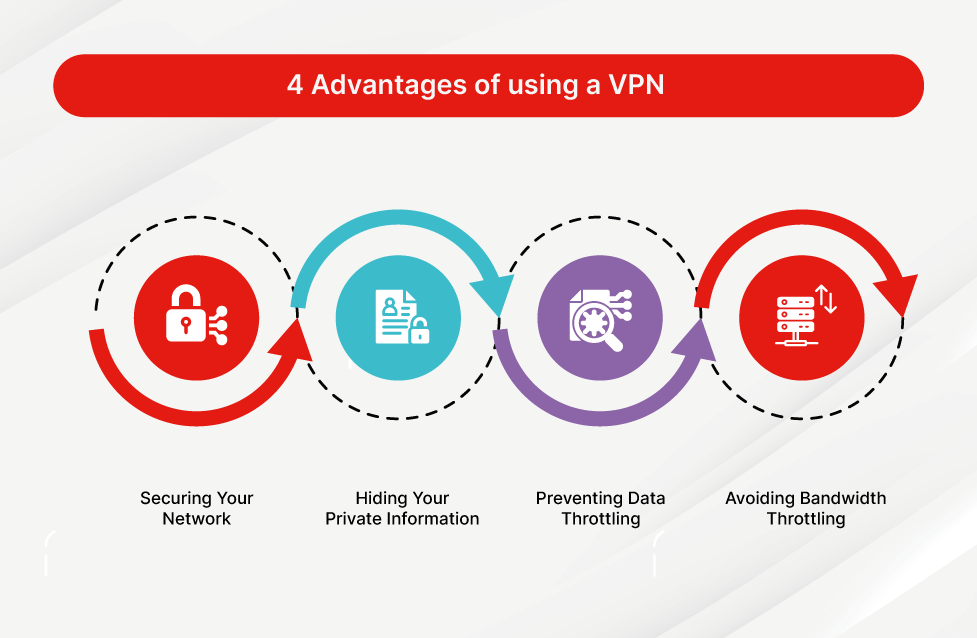
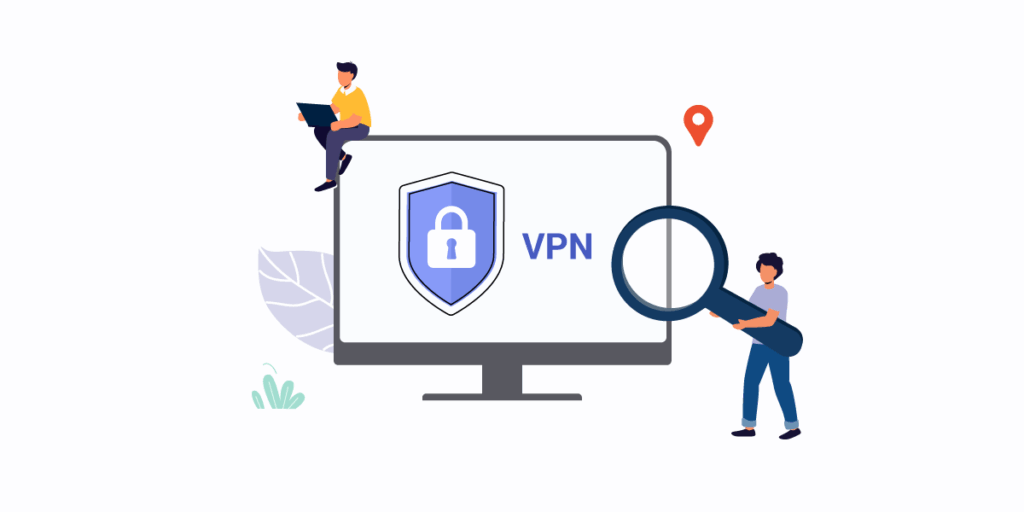
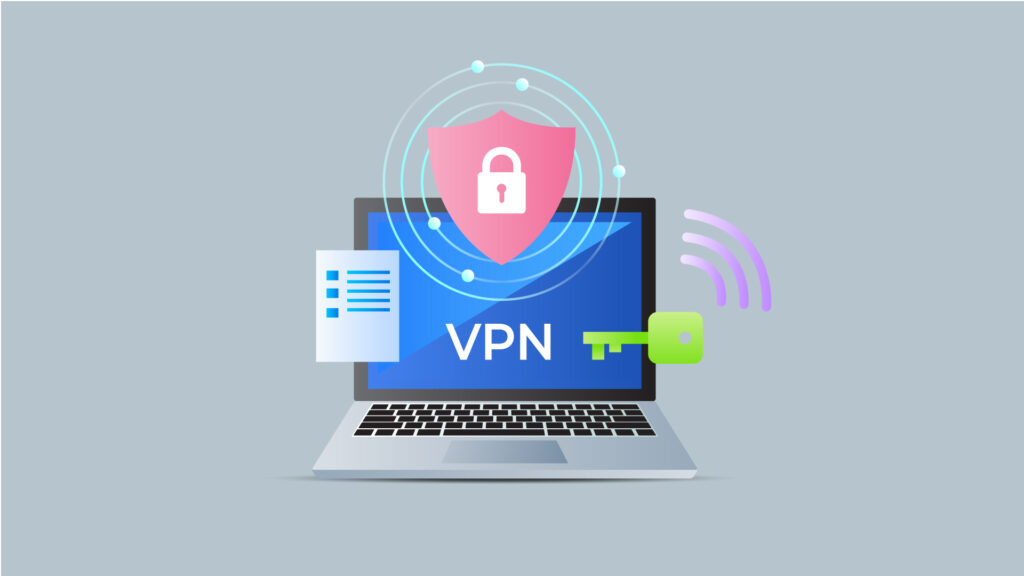
This is why VPNs have become very popular in the last few years, not just for streaming but also for privacy and security. When you use a VPN, your internet traffic is encrypted and routed through a secure server, so your ISP cannot see which websites you visit.
Many people who work remotely, travel frequently, or simply care about online privacy prefer using a reliable VPN service so their browsing activity stays private.
Public WiFi Is Even Riskier
Home internet tracking is one thing, but public WiFi is a completely different situation. Public networks are often not very secure, and in some cases, other people on the same network may be able to monitor traffic.
This is especially risky if you are logging into email accounts, banking websites, work dashboards, or entering passwords while connected to public WiFi.
This is where most data risks actually happen, not at home but on public networks.
Many people don’t realize how exposed they are on airport or cafe WiFi.
This is why people who travel often or work from different locations usually keep their connection encrypted when using public networks. It adds a layer of protection and reduces the chances of someone intercepting sensitive data.
If you regularly use public WiFi, securing your connection becomes very important, and this is one of the most common reasons people start using VPN services for everyday browsing.
Q&A Section
Can my ISP see everything I do online?
Your ISP can see the websites you visit and your internet usage patterns, but they may not always see the exact content if the website uses HTTPS. However, they can still see domains and browsing activity.
Does private browsing hide activity from ISP?
No, private browsing only hides history from your device. Your ISP can still see the websites you visit.
Can a VPN stop ISP tracking?
Yes, a VPN encrypts your internet traffic, which prevents your ISP from seeing the websites you visit.
Is ISP tracking legal?
In many regions, ISPs are allowed to collect certain usage data for network management and analytics, but privacy laws vary by country.
Should I use a VPN at home or only on public WiFi?
Many people use VPNs both at home and on public WiFi for privacy, security, and access to global content.
Will a VPN slow down my internet?
There can be a slight speed reduction, but good VPN services usually maintain stable speeds for streaming and browsing.
What Most People End Up Doing
Once people understand how ISP tracking works, they usually start taking small steps to improve their privacy. Some people switch browsers, some change DNS settings, and many people start using encrypted connections regularly, especially on public WiFi.
The internet today is built around data, tracking, analytics, and user behavior insights. This is not necessarily always bad, but it does mean that privacy does not happen automatically anymore. You have to choose tools and services that protect your data and browsing activity.
For many people, the goal is not complete anonymity but basic privacy, secure browsing, safe public WiFi usage, and access to global content without restrictions. Once you understand these things, protecting your online activity becomes much easier and more practical in everyday internet use.