







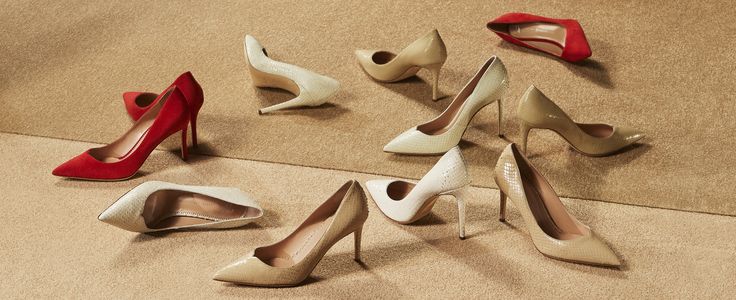
Buying quality shoes no longer requires visiting expensive boutiques or waiting for a special shopping trip. With the right strategy, premium footwear online can offer access to designer styles, established brands, and high-quality materials at prices that are considerably lower than standard retail. However, online shoe shopping also comes with challenges, including sizing differences, misleading discounts, limited product inspection, and return restrictions. Knowing how to compare products and identify genuine value can make a major difference.
Whether you’re searching for discounted designer shoes, everyday sneakers, classic loafers, or premium sandals, smart shopping is about more than finding the lowest advertised price. This guide explains how to find premium footwear without unnecessarily stretching your budget.
Why Premium Footwear Can Be Worth the Extra Cost
Premium footwear is generally associated with better materials, construction, finishing, and design. While a higher price doesn’t automatically guarantee superior quality, well-made shoes can provide better comfort and durability when properly selected.
For many shoppers, spending more on a versatile pair can make financial sense if the footwear is worn regularly. A well-designed pair of leather loafers, durable sneakers, or quality sandals may remain useful across multiple seasons rather than needing frequent replacement.
When evaluating premium footwear, look beyond the brand name and consider:
- Material quality.
- Stitching and construction.
- Sole durability.
- Insole and cushioning.
- Design versatility.
- Brand reputation.
- Warranty or after-sales support.
This approach helps distinguish genuine quality from products that simply carry a premium label.
Know When Footwear Prices Are Actually Discounted
One of the biggest challenges with premium footwear online is determining whether a promotion represents a genuine saving. Retailers frequently advertise percentages such as 30%, 50%, or even 70% off, but the original reference price may not always tell you much about the product’s typical selling price.
Useful price-checking habits include:
- Compare at least two or three retailers.
- Check the brand’s usual retail price.
- Look for seasonal promotions.
A smaller discount on a genuinely desirable product can be a better deal than a huge discount on something you don’t actually need.
Shop Around Major Footwear Sale Periods
Timing can make a significant difference when searching for branded footwear deals. Retailers typically reduce prices when clearing previous-season inventory, introducing new collections, or running major promotional events.
Depending on the market, shoppers may find opportunities during end-of-season sales, holiday promotions, outlet events, and limited-time online campaigns.
For shoppers in different regions, sale calendars can vary. European retailers may follow seasonal fashion cycles differently from stores serving North America, Asia, or Australia, so checking local shopping periods can improve your chances of finding suitable sizes and styles.
Why End-of-Season Shopping Can Be Smart
End-of-season footwear doesn’t necessarily mean poor quality. Often, the product is discounted because the retailer is making room for newer collections.
This can be especially useful for classic designs such as:
- Leather loafers.
- White sneakers.
- Neutral sandals.
- Chelsea boots.
- Minimalist trainers.
Classic styles are less dependent on seasonal trends, making them easier to wear long after the sale ends.
Understand the Difference Between Designer and Premium Footwear
The terms “designer,” “premium,” and “luxury” are sometimes used interchangeably, but they don’t necessarily mean the same thing. Designer footwear may emphasize brand identity, fashion design, or exclusivity, while premium footwear can also include products from specialized brands focused heavily on materials, construction, and comfort.
This distinction matters when searching for discounted designer shoes because a high discount on a fashion-driven product may not represent better long-term value than a smaller discount on a quality-focused footwear brand.
Before buying, ask yourself whether you’re prioritizing:
- Brand recognition.
- Construction quality.
- Fashion appeal.
- Longevity.
- Versatility.
Your answer should guide the purchase more than the discount percentage.
Get Your Size Right Before Ordering
Sizing is one of the biggest obstacles when purchasing premium footwear online. A pair that looks perfect on a product page can become an expensive mistake if it doesn’t fit correctly.
Before ordering, check:
- The brand’s official size chart.
- Foot length measurements.
- Width information.
- Customer reviews about sizing.
If you’re buying from an international retailer, pay particular attention to whether the listed size is US, UK, EU, or another regional measurement.
Choose Footwear Based on Cost Per Wear
One of the most practical ways to avoid overspending is to think about cost per wear rather than the initial purchase price.
Imagine two pairs of shoes: one costs $60 but is rarely worn, while another costs $150 and becomes a regular part of your wardrobe for several years. The second pair may provide better value if it remains comfortable and durable.
This concept works particularly well for versatile footwear.
A premium pair may justify its price when it can be used for:
- Work.
- Travel.
- Social occasions.
- Everyday outfits.
- Multiple seasons.
Buying fewer, more useful pairs can sometimes be more economical than repeatedly purchasing inexpensive shoes.
Look for Versatile Styles Instead of Trend-Driven Purchases
The best premium footwear online purchase is often one that works with several outfits and occasions. Trend-focused products can be attractive, but their usefulness may decline quickly as styles change.
For example, shoppers might prioritize:
- White or neutral sneakers for casual outfits.
- Brown or black loafers for smart-casual wardrobes.
- Neutral sandals for warm-weather travel.
- Minimalist trainers for everyday use.
This doesn’t mean avoiding fashion completely. Instead, balance statement pieces with versatile essentials.
Read Reviews Beyond the Star Rating
A five-star rating alone doesn’t tell you enough about a pair of shoes. Customer reviews can reveal practical information that product photographs cannot.
Look for repeated comments about:
- Comfort after several hours.
- True-to-size fitting.
- Material quality.
- Packaging.
- Return experience.
Pay particular attention to reviews from people with similar needs. A shoe designed for occasional events may not be suitable for someone looking for all-day walking comfort.
How to Avoid Overspending During Online Shoe Sales
Discounts can encourage impulse purchases. Creating a simple shopping rule can help you avoid buying shoes simply because the price looks attractive.
Before purchasing, ask:
- Would I buy this at a smaller discount?
- Do I already own something similar?
- Does it work with my existing wardrobe?
- Is the return policy acceptable?
If several answers are “no,” the discount probably isn’t worth pursuing.
Frequently Asked Questions
1. How can I find premium footwear online at lower prices?
Compare prices across reputable retailers, shop during seasonal sales, check outlet collections, and look for previous-season styles. Always compare the final price rather than relying only on the advertised discount percentage.
2. Are discounted designer shoes genuine?
They can be, especially when purchased through reputable retailers or authorized sellers. Check the seller’s reputation, product information, return policy, and authenticity guarantees before purchasing.
3. What should I check before buying shoes online?
Check the size chart, materials, customer reviews, return policy, shipping charges, and product specifications before placing an order.
4. Are expensive shoes always better quality?
No. Price and quality aren’t always directly connected. Materials, construction, comfort, durability, and brand reputation are better indicators of footwear value.
5. When is the best time to buy premium footwear?
End-of-season sales and major promotional periods can offer strong opportunities, particularly when retailers are clearing previous collections.
Conclusion
Finding premium footwear online without overspending is less about chasing the biggest discount and more about understanding what makes a purchase genuinely valuable. Comparing prices, checking materials, researching sizing, reading detailed reviews, and understanding return policies can help you make confident decisions. Shop strategically, compare before you buy, and turn your next footwear purchase into a smart investment rather than an impulse buy.