






Affiliate Disclaimer: This article contains affiliate links. If you purchase through these links, we may earn a small commission at no additional cost to you. This helps support our research and content creation.
Choosing a recliner isn’t just about picking a comfortable chair. It’s about investing in how you relax every single day. Whether you’re watching TV, recovering after a long workday, or creating a cozy reading corner, the right recliner can completely change your living experience.
But here’s the catch: most first-time buyers underestimate how many variables actually matter.
From mechanism types to space planning and material durability, making the wrong decision can lead to discomfort, wasted money, or a chair that simply doesn’t fit your lifestyle.
This guide breaks everything down so you can confidently choose a recliner that delivers long-term comfort and real value.
Understanding Recliner Types Before You Buy
Before diving into features and materials, you need to understand the basic types of recliners available today.
Manual Recliners
These operate using a lever or push-back mechanism.
They’re typically more affordable and require no electricity, making them easy to place anywhere.
However, they lack precision control and may feel less smooth over time.
Power Recliners
Powered by electricity, these allow you to adjust positions with the push of a button.
Many models include USB ports, adjustable headrests, and lumbar support.
If you’ve ever thought, “I want effortless comfort at the push of a button,” this category is worth exploring.
Lift Recliners
Designed primarily for seniors or those with mobility challenges, lift recliners gently tilt forward to help users stand up safely.
They combine functionality with comfort, making them ideal for long-term usability.
Wall-Hugger Recliners
Perfect for smaller rooms, these recliners require minimal clearance from the wall.
If space is tight, this option can be a “small-room game changer you didn’t know you needed.”

Key Features That Actually Matter (Most Buyers Miss These)
Many buyers focus only on appearance. That’s a mistake.
The real difference between an average recliner and a great one lies in features you don’t immediately see.
Ergonomic Support
Look for proper lumbar support, neck alignment, and cushioning density.
A chair that looks plush but lacks structure can cause discomfort over time.
Frame Construction
Hardwood frames last significantly longer than softwood or particle board.
This is one of those “hidden details that decide whether your chair lasts 2 years or 10.”
Reclining Mechanism Quality
Smoothness, noise level, and durability all depend on internal mechanics.
Premium brands often invest heavily here, even if it’s not visible.
Upholstery Material
Fabric offers warmth and variety, while leather provides durability and easier cleaning.
Performance fabrics are becoming increasingly popular for families and pet owners.
How to Choose Based on Your Lifestyle
Your daily habits should guide your decision more than trends.
For Movie Lovers
Look for deep cushioning, wide armrests, and power reclining options.
Built-in cup holders or USB ports can elevate your experience.
For Small Apartments
Wall-hugger recliners or compact designs are ideal.
Measure your space carefully before buying.
For Families
Durability becomes critical.
Spill-resistant fabric and sturdy construction are essential.
For Long Sitting Sessions
Prioritize lumbar support and adjustable positioning.
This is where brands like La-Z-Boy often come into the conversation, as they focus heavily on ergonomic comfort and long-duration usability without making it feel clinical or rigid.
Measuring Your Space the Right Way
One of the most common mistakes is underestimating how much space a recliner actually needs.
Here’s what to consider:
- Fully reclined length
- Distance from wall
- Walking space around the chair
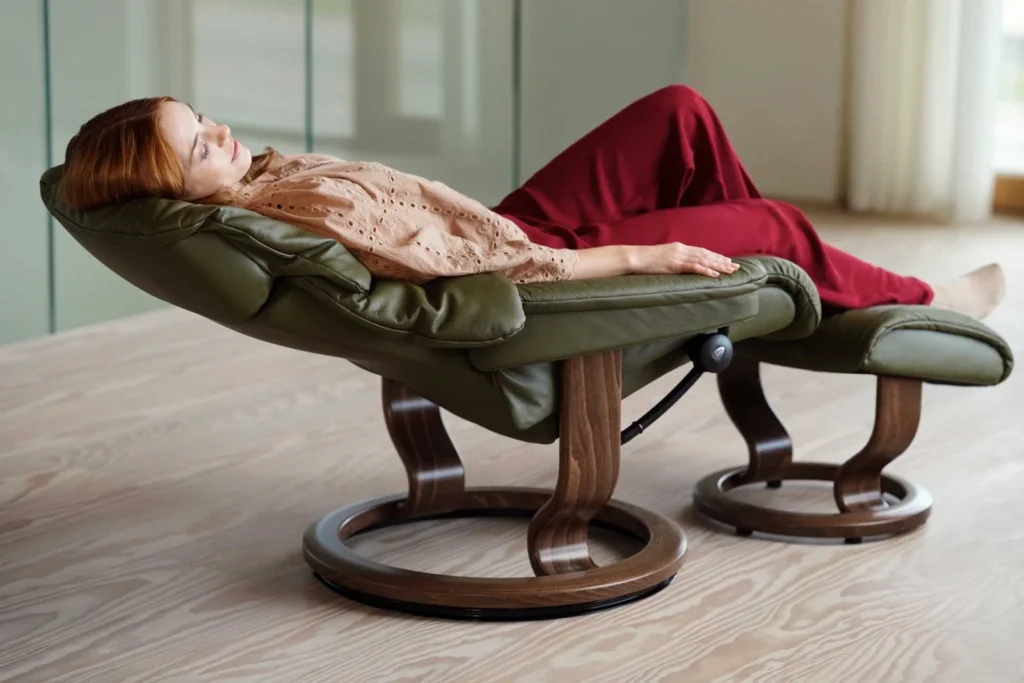
A recliner that fits perfectly when upright may become unusable when extended.
Think of it this way: “The real size of a recliner is revealed only when you lean back.”
Budget vs Value: What Should You Really Spend?
Recliners range from budget-friendly to premium.
But price alone doesn’t determine value.
A cheaper recliner may save money upfront but wear out quickly.
A higher-quality option can last years with consistent comfort.
This is where La-Z-Boy tends to stand out subtly. While not the cheapest option, it’s often considered when buyers start thinking beyond short-term savings and toward durability and comfort consistency.
The key is to balance:
- Build quality
- Comfort level
- Expected usage
- Warranty coverage
Common Mistakes First-Time Buyers Make
Even well-informed buyers fall into these traps.
Choosing Style Over Comfort
A sleek design means nothing if it’s uncomfortable after 30 minutes.
Ignoring Long-Term Use
Think about how often you’ll use it over the next few years.
Not Testing Recline Angles
Different recliners offer different reclining positions.
Testing matters more than you think.
Skipping Material Considerations
Pets, kids, and climate all affect which material works best.
Final Thoughts: Comfort Is a Long-Term Investment
Buying a recliner is not just a furniture decision. It’s a lifestyle decision.
The right choice supports your body, enhances relaxation, and becomes part of your daily routine.
If you focus on comfort, construction, and real-life usability instead of just price or looks, you’ll end up with a chair that genuinely improves your space.
And while there are many options available, brands like La-Z-Boy naturally come into consideration for buyers who prioritize long-term comfort and reliability without needing aggressive marketing claims.