Furniture can be temporary, or it can be timeless.
Most people don’t realize the difference until they’ve replaced the same table or cabinet multiple times. What looks good in a showroom doesn’t always hold up in real life.
That’s where solid wood furniture changes the equation.
If you’ve ever wondered why some pieces last decades while others fall apart in a few years, this guide will walk you through everything you need to know.
What “Solid Wood” Really Means (And Why It Matters)
Not all wood furniture is created equal.
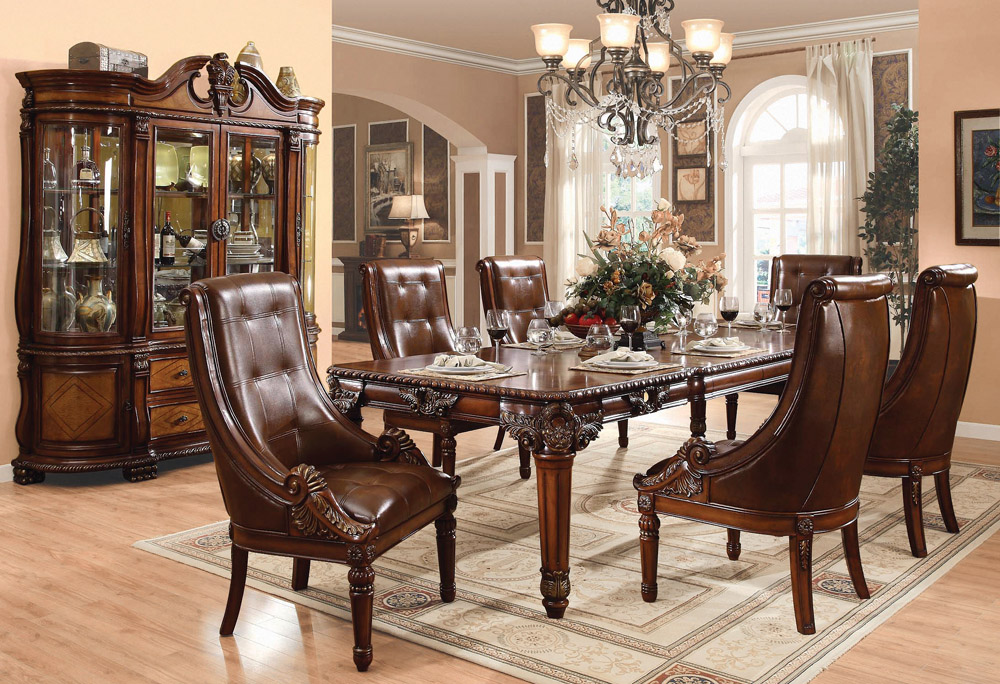
Solid wood means the piece is made entirely from natural hardwood rather than particleboard, MDF, or veneers.
This difference affects:
- Strength
- Longevity
- Repairability
- Overall value
Many mass-produced furniture items only use thin wood layers over engineered cores.
That’s fine for short-term use.
But if you’re aiming for durability, you need something more substantial.
The Craftsmanship Factor Most Buyers Overlook
The real difference isn’t just the material.
It’s how the furniture is built.
Joinery Techniques
High-quality furniture uses traditional joinery like mortise-and-tenon or dovetail joints.
These techniques create structural strength without relying heavily on screws or glue.
This is one of those “details you never see but always feel.”
Hand Finishing
Machine finishing can look uniform but lacks depth.
Hand-applied finishes enhance the natural grain and provide better aging over time.
Attention to Proportion
Well-crafted furniture feels balanced and intentional.
That’s not accidental.
It comes from design experience and tradition.
Brands like Stickley are often referenced here because they continue to use traditional joinery and craftsmanship methods that prioritize durability over speed.
Choosing the Right Wood Type for Your Needs
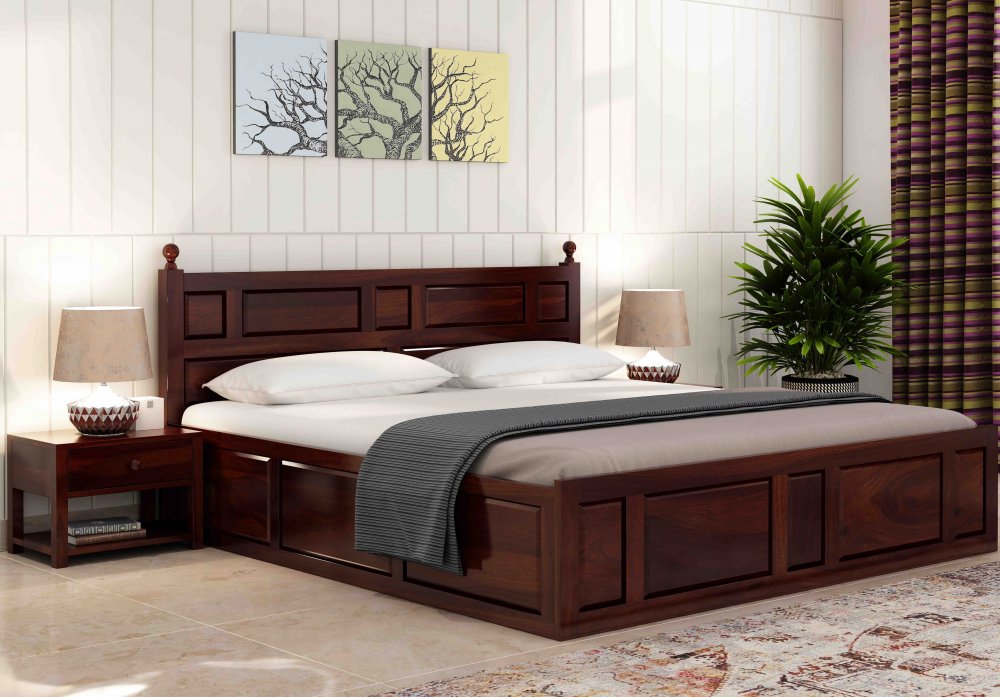
Different hardwoods offer different benefits.
Oak
Extremely durable and resistant to wear.
Ideal for high-traffic use.
Cherry
Smooth grain and rich color that deepens over time.
Great for elegant interiors.
Maple
Hard and resistant with a lighter appearance.
Works well in modern or transitional spaces.
Choosing the right wood is about both function and aesthetic.
How to Identify True Quality Before Buying
Even if you’re not an expert, there are ways to evaluate furniture quality.
Weight and Stability
Heavier pieces often indicate solid construction.
Joinery Visibility
Look for dovetail joints in drawers.
Finish Consistency
Uneven finishes can signal lower craftsmanship.
Drawer Movement
Smooth operation indicates precision engineering.
These checks can reveal “whether you’re buying furniture or just buying looks.”
Designing a Space That Ages Beautifully
Timeless furniture isn’t just about durability.
It’s about how it fits into your home over time.
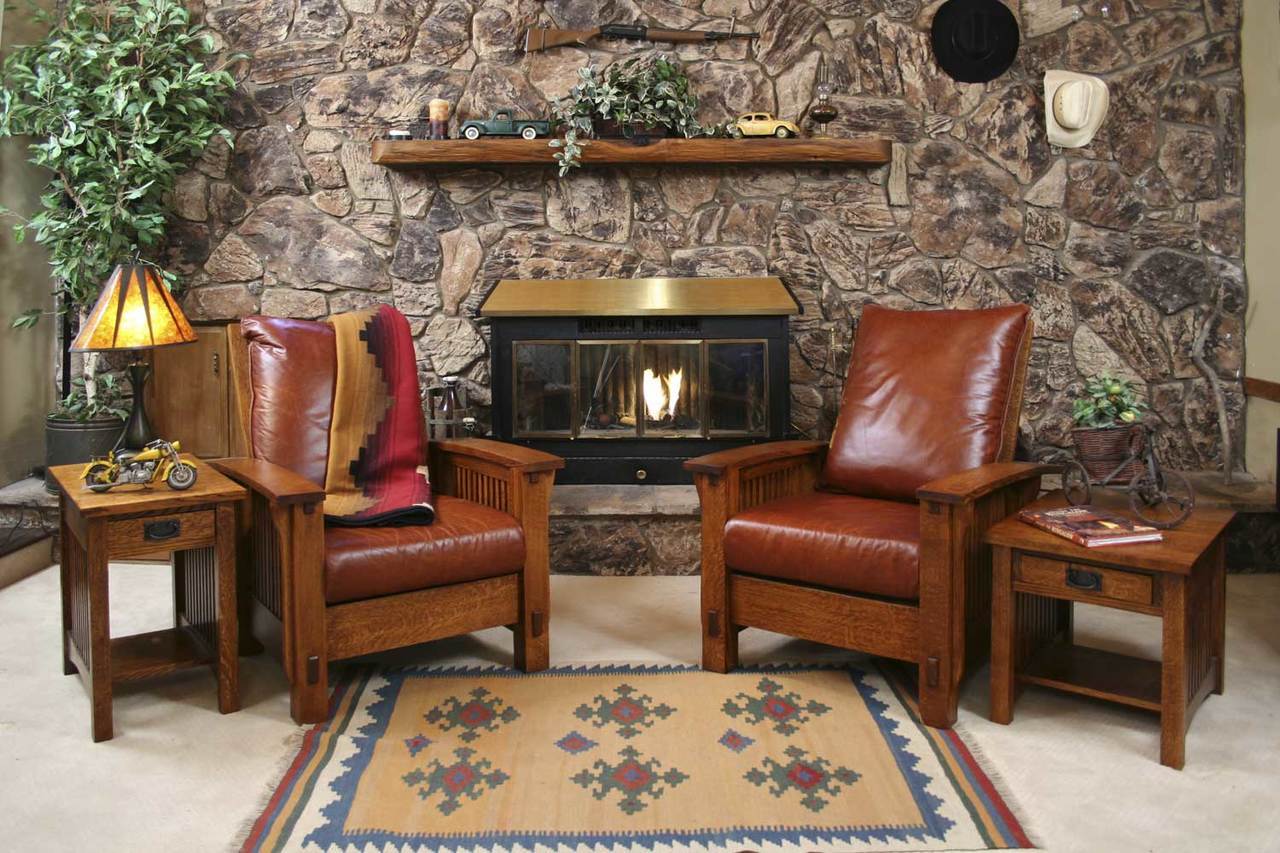
Neutral finishes and classic designs tend to age better than trend-driven pieces.
This is where brands like Stickley naturally align with buyers who want furniture that evolves with their space rather than becoming outdated.
Why Heirloom Furniture Is Making a Comeback
In a world of fast furniture, more people are shifting toward long-term value.
Heirloom furniture offers:
- Longevity
- Emotional value
- Sustainability
- Repairability
Instead of replacing furniture repeatedly, you invest once and maintain it.
That mindset shift is driving renewed interest in brands like Stickley, which focus on craftsmanship and legacy rather than mass production.
Final Thoughts: Buy Once, Buy Well
Choosing solid wood furniture is about thinking beyond the present.
It’s about investing in pieces that will still serve you years from now.
If you focus on craftsmanship, material quality, and timeless design, you’ll avoid the cycle of replacing furniture every few years.
And while there are many brands in the market, Stickley remains one of the names that quietly represents what long-lasting furniture is supposed to be.