








Finding the right pair of footwear can be surprisingly difficult when you cannot try it on first. Choosing shoes online requires more than selecting a style you like; you also need to consider sizing, fit, materials, comfort, purpose, and return policies. With online footwear shopping becoming a convenient way to access footwear brands from around the world, shoppers can compare hundreds of options without visiting multiple physical stores.
Whether you’re looking for everyday sneakers, summer sandals, formal shoes, or versatile boots, a thoughtful approach can reduce the chances of receiving footwear that looks great online but doesn’t work for your lifestyle.
Why Choosing Shoes Online Requires More Research
Physical stores allow you to touch the material, examine the construction, and walk around in a pair before buying. Online shopping removes those advantages, so product descriptions, photographs, reviews, and size charts become especially important.
The right purchase should balance appearance with practical considerations such as comfort and durability. A fashionable pair that causes discomfort after 30 minutes is unlikely to become a useful part of your wardrobe.
Before placing an order, consider:
- Intended use and frequency of wear.
- Material and construction.
- Weather and climate.
- Return and exchange conditions.
- Overall value for money.
These factors become even more important when purchasing from international retailers because sizing systems and return procedures can vary between countries.
Start by Choosing Shoes for the Right Purpose
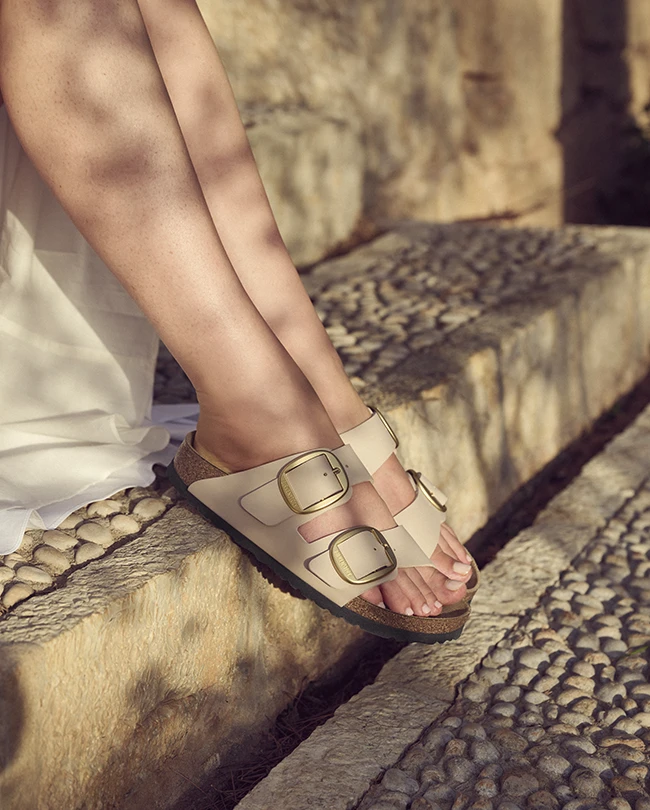
One of the biggest mistakes in choosing shoes online is selecting footwear based only on appearance. Start by deciding where and how you plan to wear the shoes.
A pair designed for walking may prioritize cushioning and support, while fashion sneakers might focus more heavily on appearance. Similarly, sandals intended for beach vacations can have very different construction from leather sandals designed for smart-casual outfits.
Think about your primary requirement before browsing. Are you shopping for work, travel, exercise, everyday use, formal occasions, or a specific season?
How to Choose Sneakers Online
Sneaker shopping can become overwhelming because there are countless designs, technologies, and footwear brands available. The best sneaker depends heavily on how you intend to use it.
When comparing sneakers, check:
- Upper material and breathability.
- Midsole cushioning.
- Outsole grip.
- Heel support.
- Closure system.
- Intended activity.
Reading customer reviews can also help reveal whether a sneaker runs narrow, wide, large, or small.
Finding the Right Sandals for Warm Weather
Sandals are among the most practical choices for warm climates, holidays, and casual summer outfits. However, comfort can vary significantly between styles.
When shopping for sandals online, examine the straps and footbed carefully. Adjustable straps can provide a more secure fit, while a cushioned footbed can be useful for longer periods of walking.
For travel, avoid choosing sandals based solely on their appearance. If you expect to walk extensively, prioritize supportive designs over extremely flat or decorative styles.
Sandals for Different Occasions
Casual sandals work well for everyday summer outfits, while leather or structured designs can be appropriate for restaurants and smart-casual occasions. Waterproof or quick-drying sandals can be more suitable for beaches and poolside activities.
Understanding the purpose makes choosing shoes online much easier because you’re evaluating the footwear according to how it will actually be used.
Don’t Ignore Boots When Shopping Online
Boots require additional consideration because their construction can affect both fit and comfort. Unlike low-profile sneakers or sandals, boots can cover the ankle and may feel different depending on shaft height and material.
For winter or rainy conditions, look for suitable insulation or water-resistant construction. For fashion boots, pay closer attention to the heel height, toe shape, and overall structure.
Before ordering boots, check whether the product description provides measurements for the shaft and opening, particularly if you have wider calves or plan to wear thicker socks.
Use a Shoe Size Guide Instead of Guessing
Sizing is one of the most important parts of online footwear shopping. Never assume that the same numerical size will fit identically across every brand.
Footwear sizing can differ between manufacturers and regions. A UK, EU, and US size may represent different measurements, while the same nominal size can also feel different because of shoe shape and construction.
For better accuracy:
- Measure your foot length.
- Use the retailer’s size chart.
- Check width information.
- Read fit-related customer reviews.
- Consider the socks you will wear with the shoes.
If one foot is slightly larger than the other, use the larger measurement when comparing against a brand’s size chart.
Check Return Policies Before Buying
Even with careful research, online footwear purchases don’t always work out. That’s why the return policy should be considered part of the buying decision.
Before paying, check whether the retailer provides returns or exchanges and whether sale items have different conditions.
Important details include:
- Return window.
- Refund process.
- Return shipping costs.
- Final-sale exclusions.
- International return requirements.
This is particularly important when shopping across borders, as returning footwear internationally can be more complicated than returning a domestic purchase.
Compare Prices Without Sacrificing Quality
The cheapest pair isn’t necessarily the best deal. Instead of comparing only prices, consider materials, expected durability, comfort, and how often you’ll wear the footwear.
A versatile pair of quality sneakers that works with multiple outfits may provide more value than several inexpensive pairs that rarely get worn.
During online fashion shopping, compare the final price across reputable retailers and look for seasonal promotions, outlet collections, and legitimate fashion discounts.
Build a More Versatile Footwear Collection
Instead of buying shoes randomly, think about whether a new pair fills a genuine gap in your wardrobe. A balanced collection can cover everyday, formal, seasonal, and active needs without requiring dozens of pairs.
Useful footwear categories might include:
- Everyday sneakers.
- Smart-casual loafers.
- Comfortable sandals.
- Formal footwear.
- Activity-specific shoes.
This approach makes every purchase more intentional and can reduce unnecessary spending over time.
Frequently Asked Questions
1. What is the most important factor when choosing shoes online?
Fit and sizing should be among your top priorities. Check the brand’s size chart, measure your feet, and read customer reviews about sizing before ordering.
2. How can I know if online shoes will be comfortable?
Look at cushioning, materials, sole construction, and customer reviews. Reviews mentioning long-term or all-day wear can provide particularly useful information about comfort.
3. Should I order my usual shoe size online?
Not always. Sizing varies between brands and regions, so use the specific retailer or brand’s size chart instead of relying only on your usual number.
4. What should I look for when buying sneakers online?
Consider the intended activity, cushioning, breathability, outsole grip, weight, and fit. Running and sports shoes should be selected based on their specific performance requirements.
5. How can I choose the right sandals online?
Consider where you’ll wear them, the level of walking involved, strap adjustability, footbed support, materials, and sole grip. For travel, comfort should generally take priority over appearance alone.
Conclusion
Choosing shoes online becomes much easier when you approach the process systematically rather than buying based solely on photographs or discounts. Understanding your intended use, checking accurate measurements, comparing materials, reading detailed reviews, and reviewing return policies can help you find footwear that actually fits your lifestyle.