A one-way trip means travelling from one location to another without necessarily returning to the starting point. This could involve relocating to a new city, visiting family, attending an event or travelling for work. Both Greyhound and rental car companies offer ways to complete these journeys, but their pricing structures and travel experiences are quite different.
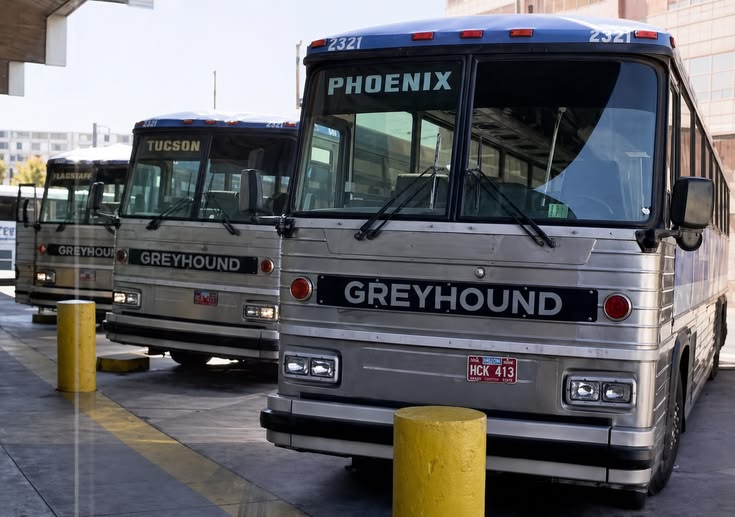
With Greyhound, passengers purchase a ticket for a specific route and departure. The company handles the driving, vehicle maintenance and transportation arrangements. A rental car, on the other hand, gives travellers access to a vehicle for an agreed period, allowing them to decide when to leave, where to stop and which roads to take.
The difference becomes especially important when the destination is not the same as the departure city. A rental company may charge an additional one-way drop-off fee when the vehicle is returned to a different location. Greyhound passengers do not have to manage a vehicle return, making bus travel worth considering for straightforward city-to-city journeys.
Looking Beyond the Advertised Price
The initial ticket price or rental rate does not always represent the complete transportation cost. Travellers should calculate the expenses involved in completing the entire journey before choosing an option.
Greyhound fares are generally structured around the selected route, travel date and schedule. Booking in advance can provide more opportunities to compare available fares. Passengers should also account for any additional baggage requirements. Greyhound’s standard North American baggage allowance includes one small personal bag and one stored bag, while additional or bulky baggage may involve extra charges depending on the journey.
Rental car pricing involves several separate expenses. The daily or weekly rental rate is only the starting point. Depending on the booking, travellers may also need to pay taxes, insurance or optional protection charges, fuel, tolls, parking and a one-way drop-off fee.
The drop-off charge deserves particular attention because it can vary significantly between routes, rental companies, vehicle categories and travel dates. Some routes may have no additional fee, while others can make a one-way rental considerably more expensive.
For a fair comparison, travellers should calculate the total cost from their departure point to their final destination rather than comparing only the advertised bus fare with the rental car’s daily price.
When Greyhound Makes More Financial Sense
For individual travellers covering a direct route between two cities, Greyhound can be an attractive transportation option. A passenger travelling alone does not need to pay for an entire rental vehicle, fuel or a separate return arrangement.
This can be particularly useful for students, people relocating with limited belongings and travellers visiting family for a short period. Instead of managing a vehicle throughout the journey, passengers can use the bus for transportation and arrange local travel separately after arrival.
Another advantage is avoiding driving-related expenses. Travellers do not need to purchase fuel, pay highway tolls themselves or search for overnight parking during the journey. They can also use their travel time to read, work or rest rather than concentrating on the road.
However, the final cost should still include any taxi, rideshare or public transportation needed to reach the Greyhound station and continue from the arrival stop. A low ticket price may offer less value if both stations are far from the places a passenger needs to visit.
Where Rental Cars Offer Greater Freedom
Although bus travel can be convenient for direct connections, rental cars provide a different level of flexibility. Travellers can choose their departure time within the rental period, change their route and make stops that may not be accessible through scheduled public transportation.
This flexibility can be especially valuable when the journey involves multiple destinations. For example, someone travelling between smaller towns, visiting relatives in different locations or exploring rural attractions may find a rental car more practical than combining several bus routes.
Rental cars can also be useful for families and groups carrying substantial luggage. Instead of managing bags through terminals and transfers, passengers can keep their belongings in the vehicle throughout the journey.
There is also the question of shared costs. When three or four people travel together, dividing the rental price, fuel and other expenses can make driving more competitive with individual bus tickets. However, this depends on the vehicle category, rental duration, one-way fees and the total distance.
The additional freedom comes with responsibilities. Travellers must manage navigation, traffic, parking, fuel stops and vehicle return arrangements. Long-distance driving can also become tiring, particularly when one person is responsible for the entire journey.
How Travel Dates and Passenger Numbers Change the Decision
The best transportation option can change depending on when the journey takes place. Greyhound fares and rental car prices both vary according to demand, availability and booking conditions.
During holiday periods, university breaks and major travel weekends, both bus tickets and rental vehicles may become more expensive or harder to find. Booking early allows travellers to compare options before availability becomes limited.
Passenger numbers are equally important. A solo traveller will generally compare one bus ticket against the full cost of renting a vehicle. For a group, however, the calculation changes because the rental expenses can be shared among passengers.
The amount of luggage also influences the decision. Someone travelling with a backpack may find bus transportation straightforward, whereas a person moving between cities with furniture, large suitcases or bulky equipment may need a rental vehicle or a separate moving service.
Travel duration matters too. A one-day rental may be suitable for a short journey, but a longer trip can increase the total rental cost through additional daily charges. Bus passengers, meanwhile, pay according to the tickets and services required for their selected itinerary.
Comparing the Journey from Departure to Arrival
Transportation decisions should account for the complete experience rather than only the time spent travelling. A rental car may provide a direct journey, but passengers must collect the vehicle, complete the rental paperwork, drive and return it at the agreed location.
Greyhound passengers have a scheduled departure and arrival point. They do not need to drive, but may have to account for terminal transfers, waiting periods or connections between services.
For example, someone travelling from New York to Washington, DC, may find a direct bus journey more convenient than renting a vehicle, particularly if they plan to stay in a city centre where parking is limited. On the other hand, a traveller visiting several rural destinations in one trip may benefit from having a car available throughout the visit.
This is why comparing door-to-door travel time is important. Include the journey to the bus terminal or rental branch, boarding or collection time, transfers and final transportation at the destination.
Choosing the Right Option for Your Next One-Way Journey
Greyhound vs rental car decisions ultimately depend on what travellers need from their journey. Greyhound can be a practical option for individuals who want a scheduled intercity connection without the responsibility of driving. Rental cars may be more suitable for groups, multi-stop itineraries and destinations where local transportation is limited.
Before making a booking, compare the complete bus fare with the rental rate, one-way drop-off charges, fuel, tolls, parking and any additional transportation costs. Consider the number of passengers, luggage requirements and flexibility needed at the destination.
There is no single option that works best for every route. By comparing the total expenses and practical requirements of both choices, travellers can select transportation that fits their budget, schedule and travel plans.