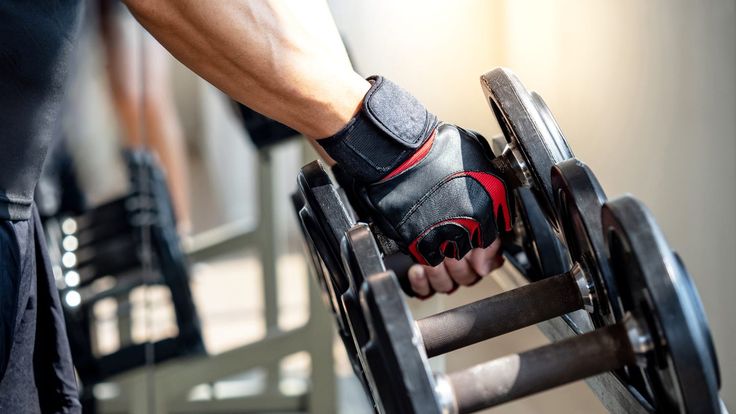
Choosing the right gloves can make strength workouts more comfortable, especially when your routine involves dumbbells, barbells, weight machines and repeated gripping movements. 4F training gloves are worth considering if you want a practical fitness accessory that combines grip support, palm protection and comfort during gym sessions. However, the best workout gloves are not simply the ones with the most padding. Fit, breathability, material quality and freedom of movement all matter.
For gym-goers in the United States, training gloves can be useful weightlifting accessories for regular strength sessions at home or in a commercial gym. Understanding which features make a difference will help you compare available options and decide whether a particular pair suits your training style.
Why Consider 4F Training Gloves for Strength Workouts?
Training gloves create a protective layer between your palms and gym equipment. Repeated contact with textured handles and metal bars can cause friction, discomfort and calluses, particularly during high-volume workouts. The right pair may make gripping equipment more comfortable, although gloves cannot replace proper lifting technique.
4F lists fitness and training gloves among its sports accessories, and a retailer listing for its non-slip training gloves describes features such as silicone grip details, gel padding, perforated material and adjustable hook-and-loop cuffs. Exact features can vary by model, so check the product description before ordering.
Potential benefits of suitable fitness gloves include:
- Grip support: Non-slip palm details can help reduce unwanted movement against equipment handles.
- Palm protection: Padding can reduce friction and pressure during repeated gripping.
- Breathability: Ventilated materials can improve comfort during demanding sessions.
- Adjustable fit: A secure closure helps keep the gloves comfortably positioned.
- Convenience: Fingerless designs can make it easier to handle small objects between sets.
Gloves are an optional training accessory rather than a requirement for every lifter. Choose them according to your comfort, exercise selection and personal preference.
Key Features to Look for in 4F Training Gloves
1. Grip Support and Non-Slip Palm Design
A secure grip is essential when handling dumbbells, barbells and resistance-machine handles. Some 4F training gloves feature silicone details on the palm, designed to provide a more secure contact surface.
A non-slip texture may help the gloves stay positioned against equipment, but it does not guarantee that a weight cannot slip. Sweat, worn materials, poor fit and incorrect technique can still affect grip security.
When comparing 4F gym gloves, look for:
- Textured or silicone grip areas on the palm.
- Materials that remain flexible when gripping a handle.
- A fit that prevents excessive movement inside the glove.
- Palm construction that suits your preferred exercises.
For heavy lifts, always check your grip and equipment before beginning a repetition. Do not rely on gloves to compensate for poor technique or an unstable hold.
2. Palm Protection and Padding
Palm protection matters when exercises involve repeated pressure on the same areas of the hand. Padding can make contact with handles more comfortable and may help reduce friction during higher-repetition workouts.
Some 4F training gloves listings describe shock-absorbing gel pads in the palm area. Padding levels and placement differ by model, so examine the product photographs and specifications before choosing. <Cite refs={[“turn165799search1”]}/>
Consider the following when assessing padding:
- Moderate cushioning: Useful for general fitness and machine-based exercises.
- Strategically placed pads: May improve comfort where pressure is concentrated.
- Flexible palm construction: Helps preserve natural hand movement.
- Low-bulk design: May feel more natural when handling smaller dumbbells or attachments.
More padding is not always better. Thick material can change how a handle feels in your hand, so look for a balance between comfort and control.
3. Breathable Gloves for Longer Sessions
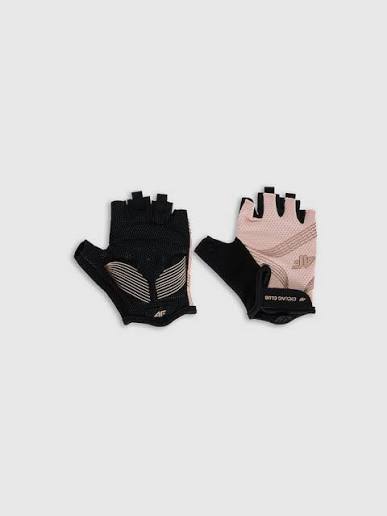
Hands can become warm and sweaty during strength workouts, especially in crowded gyms or during high-volume training. Breathable gloves use features such as perforated panels or ventilated fabric to help air circulate.
For shoppers comparing workout gloves, breathable construction may be especially useful if you train frequently or prefer longer sessions.
Look for:
- Perforated fabric on the back of the hand.
- Materials that do not feel excessively heavy.
- A lining that is comfortable against the skin.
- Easy-care instructions that fit your routine.
After training, allow gloves to dry fully before storing them in a gym bag. Regular cleaning can also help manage sweat and odour.
4. Fit, Wrist Closure and Freedom of Movement
A glove should feel secure without restricting finger movement or creating pressure points. Some 4F training gloves use adjustable hook-and-loop wrist closures, allowing the fit to be adjusted around the wrist.
When selecting a size, follow the manufacturer’s measurements rather than guessing from your usual clothing size. A glove that is too loose may bunch up, while one that is too tight can feel uncomfortable during repeated gripping.
Before your first full workout, check that:
- Your fingers can move naturally.
- The palm material sits flat without large folds.
- The closure stays secure without excessive tightness.
- The gloves are easy to remove between exercises.
An adjustable cuff should not be treated as a substitute for proper wrist technique or specialised wrist support.
Which Strength Training Gear Works Best With Fitness Gloves?
The usefulness of gloves depends on the exercises in your programme. They may be particularly helpful for movements that involve repeated gripping or direct contact between your palms and equipment.
| Exercise | Potential benefit of gloves | What to consider |
|---|---|---|
| Dumbbell rows | Reduced friction on the palms | Keep a secure grip throughout each repetition |
| Lat pulldowns | More comfortable contact with handles | Make sure the glove does not bunch up |
| Machine chest presses | Palm cushioning | Avoid excessive padding that alters grip feel |
| Moderate barbell work | Comfort during repeated gripping | Gloves do not replace correct technique |
| Kettlebell exercises | Some protection against friction | Check that the handle remains secure |
For deadlifts and other demanding lifts, some lifters prefer bare hands or specialised lifting straps because gloves can alter bar feel. Experiment carefully with lighter loads and choose the option that lets you maintain safe, consistent technique.
How to Choose and Maintain 4F Gym Gloves
Before purchasing, compare the product specifications, sizing information and intended use. Do not assume every 4F model has identical materials or features.
Use this quick buying checklist:
- Confirm the size range and measure your hand according to the brand’s guidance.
- Check the palm texture and amount of padding.
- Look for breathable panels if you tend to sweat heavily.
- Review the wrist closure and ease of removal.
- Read the material and cleaning instructions.
- Compare the price and product details with other strength training gear.
For maintenance, follow the care label, allow the gloves to dry between sessions and inspect the palm and stitching regularly. Replace them if the grip surface becomes worn, the seams start opening or the material no longer stays securely in place.
Frequently Asked Questions
1. Are 4F training gloves suitable for beginners?
They may be useful for beginners who want added palm comfort during machine exercises and moderate weight training. Correct technique and suitable loads remain more important than wearing gloves.
2. Do 4F gym gloves improve grip?
Non-slip palm details may improve contact with equipment handles. However, gloves cannot guarantee a secure grip, and fit, sweat, equipment condition and technique still matter.
3. Can workout gloves prevent calluses?
They may reduce friction and help limit some forms of skin irritation, but they cannot prevent every callus or blister. Fit, exercise technique and the amount of repeated gripping also influence skin changes.
4. Are breathable gloves better for sweaty hands?
Breathable materials and perforated panels may improve ventilation and comfort. They do not eliminate sweat, so cleaning and drying the gloves after workouts remain important.
5. How should I choose the right glove size?
Follow the manufacturer’s sizing chart and measure your hand as instructed. Choose a fit that stays secure without restricting finger movement or creating pressure points.
6. How often should gym gloves be replaced?
There is no universal replacement schedule. Inspect the grip surface, seams, padding and closure regularly, and replace the gloves when they become damaged or no longer fit securely.
Conclusion: Choose 4F Training Gloves That Fit Your Workout
The right 4F training gloves should balance grip support, palm protection, breathability and a comfortable fit. For regular strength workouts, these features can make gripping equipment more comfortable without unnecessarily restricting movement.
Before purchasing, check the exact model’s specifications, sizing, materials and care instructions. Choose gloves that match your training routine rather than paying for features you do not need.
Ready to upgrade your gym accessories? Explore the available 4F training gloves, compare the features and select a pair that suits your strength-training routine.