








Choosing the right glove can make a noticeable difference in comfort, control, and confidence on the baseball field. SCHEELS baseball gloves include options for different positions, player ages, and playing styles, from youth baseball gloves to specialized infield, outfield, first baseman, and catcher models. The right choice depends on more than appearance: glove size, pocket depth, web design, position, material, and fit all deserve attention.
Whether you are buying your first glove or replacing an older one, this baseball glove buying guide explains the main factors to consider when shopping for baseball equipment in the United States.
Why the Right Baseball Glove Fit Matters
A baseball glove should feel secure without restricting natural hand movement. A glove that is too large can make it harder for younger players to control the ball, while one that is too small may not provide enough catching surface.
Fit also changes according to position. An infielder typically needs quick transfers, while an outfielder may prioritize a larger catching surface and deeper pocket.
When comparing SCHEELS baseball gloves, start with these factors:
- Player age and hand size
- Fielding position
- Glove length
- Web style
- Pocket depth
- Material
- Break-in requirements
- Hand orientation
These factors work together, so choosing a glove based only on size can lead to the wrong fit.
SCHEELS Baseball Gloves by Position
The best glove depends heavily on where you play. Baseball gloves are designed with different shapes and proportions to support the movements required at each position.
Infield Glove
An infield glove is generally designed for quick ball transfers and controlled fielding. Middle infielders often prefer a smaller glove that allows them to move the ball rapidly from glove to throwing hand.
Common characteristics include:
- Compact profile
- Shallower pocket
- Open or closed web options
- Lightweight construction
- Quick transfer design
Third basemen may choose a slightly larger model than a second baseman or shortstop because they frequently handle harder-hit balls.
Outfield Glove
An outfield glove is typically longer than an infield model. The additional length can provide more reach when tracking fly balls.
An outfield glove may feature:
- Larger catching surface
- Deeper pocket
- Longer glove length
- Closed or modified web designs
- Added structure for high-impact catches
Players should still prioritize comfortable control. A glove that is technically longer but difficult to close may not be practical.
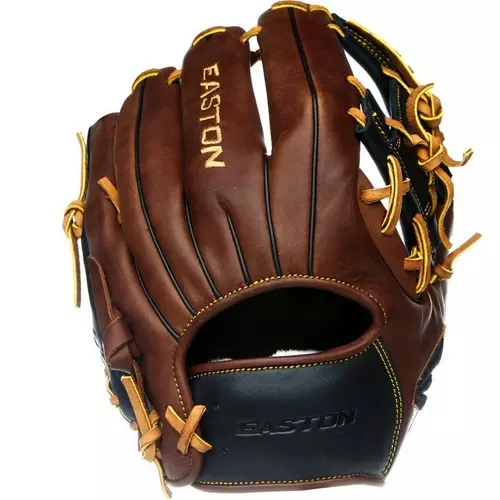
First Baseman Glove
A first baseman glove has a distinctive design compared with a standard fielder’s glove. It generally has a longer, wider shape and lacks individual finger stalls.
The design helps first basemen receive throws while providing a large catching surface for balls coming from different angles.
When shopping, consider:
- Glove length
- Pocket depth
- Web design
- Flexibility
- Player age and hand size
Catcher’s Mitt
A catcher’s mitt is different from conventional baseball gloves. It has no individual finger stalls and is heavily structured to handle repeated high-speed pitches.
A catcher’s mitt should provide:
- Secure wrist fit
- Appropriate circumference
- Strong pocket
- Durable construction
- Adequate padding
Because catchers receive hundreds of pitches during practices and games, comfort and durability are especially important.
Choosing the Correct Glove Size
Glove size is one of the most important factors when comparing SCHEELS baseball gloves.
There is no single glove size that works for every player. Youth players generally need smaller gloves, while adult players can typically handle larger models depending on their position.
A simplified starting point is:
| Position | Typical Glove Range |
|---|---|
| Youth infield | Around 9–11 inches |
| Youth outfield | Around 10–11.5 inches |
| Adult infield | Around 11–11.75 inches |
| Adult outfield | Around 12–13 inches |
| First base | Around 12–13 inches |
| Catcher | Measured by mitt circumference |
These are general starting ranges rather than universal rules. League requirements, player age, hand size, position, and personal preference should also be considered.
Youth Baseball Gloves: What Should Parents Look For?
Choosing youth baseball gloves requires extra attention because young players are still developing hand strength and coordination.
A glove that is too large or stiff can make catching unnecessarily difficult. Younger players should generally be able to close and control the glove without excessive effort.
Parents should consider:
- Appropriate glove length
- Lightweight construction
- Flexible materials
- Comfortable wrist opening
- Easy-to-close pocket
- Position-specific design
As a child develops, the ideal glove size can change. Rather than buying the largest possible glove so it lasts longer, prioritize controllability and comfort.
Leather Baseball Glove vs Synthetic Materials
Material is another important part of choosing SCHEELS baseball gloves.
A traditional leather baseball glove can offer durability, structure, and a more personalized feel as it breaks in. However, leather gloves can initially feel stiff and may require time and proper conditioning.
Synthetic gloves can be lighter and easier to use immediately, making them appealing for younger or recreational players.
Leather Gloves
Potential advantages include:
- Durable construction
- Traditional feel
- Customizable break-in
- Long-term use with proper care
- Structured pocket
Synthetic Gloves
Potential advantages include:
- Lower weight
- Easier initial flexibility
- Often more accessible for beginners
- Minimal break-in requirements
The best material depends on the player’s experience, budget, frequency of use, and preferences.
Web Style and Pocket Design
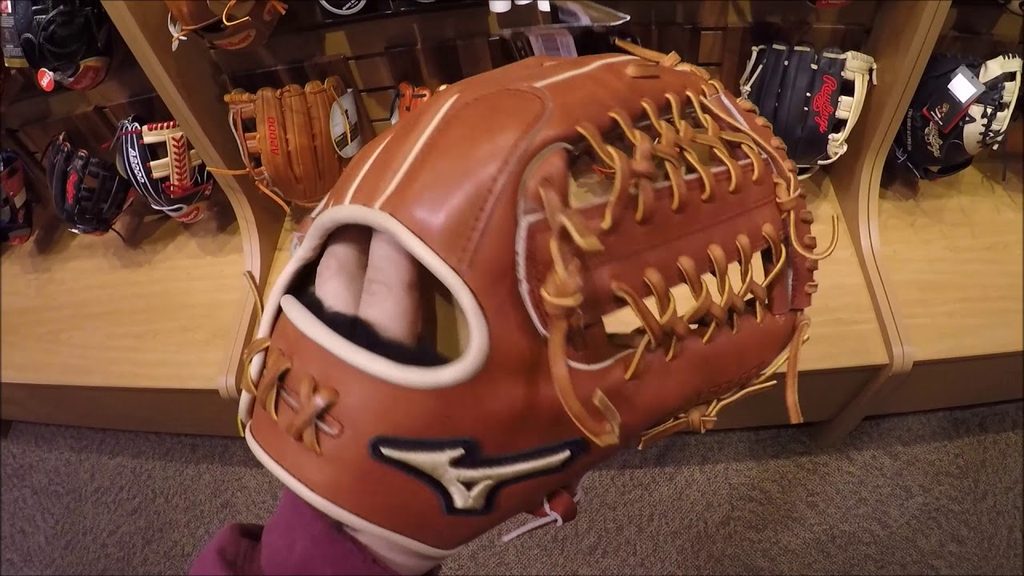
Web design affects visibility, ball control, and pocket characteristics. Different positions commonly favor different web configurations.
Players may encounter designs such as:
- I-web
- H-web
- Closed web
- Modified trapeze
- Two-piece web
- Basket web
Infielders often prefer webs that support quick transfers and visibility, while outfielders may choose designs that complement deeper pockets.
There is no universally correct web style. The player’s position and personal preference should guide the choice.
Frequently Asked Questions
1. How do I choose the right SCHEELS baseball glove?
Start with your playing position, age, hand size, and preferred glove feel. Then compare glove length, web design, pocket depth, and material.
2. What size baseball glove should a youth player use?
Youth glove sizes commonly range from about 9 to 11.5 inches depending on age and position. Always check the manufacturer’s sizing recommendations for the specific model.
3. What is the difference between an infield and outfield glove?
An infield glove is generally smaller and designed for quick transfers, while an outfield glove is usually longer with a deeper pocket to provide additional catching reach.
4. Is a leather baseball glove better than a synthetic glove?
Neither material is universally better. Leather can provide durability and a traditional feel, while synthetic materials can be lighter and easier for beginners to use.
5. How long does it take to break in a baseball glove?
Break-in time varies by leather type, glove construction, frequency of use, and personal preference. Regular catch and proper glove care can gradually develop the desired pocket and flexibility.
Conclusion: Find the Right SCHEELS Baseball Gloves
Choosing the right SCHEELS baseball gloves starts with matching the glove to the player rather than simply choosing the most expensive or largest model. Position, glove size, material, web design, pocket depth, and comfort all influence how effectively a player can use the glove.
Youth players often benefit from manageable, flexible designs, while experienced players may prefer specialized leather gloves tailored to their position and playing style. Whether you need an infield glove, outfield glove, first baseman glove, or catcher’s mitt, the right fit should provide control and confidence.
Explore SCHEELS baseball gloves, compare position-specific options, and find the glove that fits your game and playing style.