







For hot sleepers, choosing the right bedding can make a noticeable difference in nighttime comfort. Rest Evercool is designed specifically around cooling, moisture management, and temperature regulation, rather than simply providing a layer of insulation. Unlike traditional bedding materials such as cotton, bamboo, or silk, Evercool uses a proprietary cooling fabric engineered to feel cool against the skin while also supporting breathability and moisture management.
This comparison is particularly relevant for sleepers in warmer US regions such as Florida, Texas, Arizona, California, and the Southeast, where warm nights can make conventional bedding feel uncomfortable. Understanding the differences between cooling fabric vs regular bedding can help shoppers decide whether a specialized cooling comforter is worth considering.
What Makes Rest Evercool Different From Traditional Bedding?
Traditional bedding is generally designed around softness, durability, warmth, or everyday comfort. Cooling bedding takes a different approach by focusing on how fabric interacts with body heat and moisture.
Rest Evercool uses proprietary cooling fabric designed to transfer heat away from the skin and provide a cool-to-the-touch sensation. Rest also states that the fabric’s cooling effect comes from its construction rather than chemical cooling additives.
The result is a bedding system designed for people who tend to feel warm while sleeping, especially during summer or in warmer climates.
Key differences include:
- Cooling-focused fabric construction
- High thermal conductivity
- Cool-to-the-touch surface
- Moisture-wicking properties
- Breathable construction
- Temperature-regulating design
- Lightweight comfort
- Machine-washable construction
Rest Evercool vs Traditional Bedding: Understanding Qmax
One of the most useful technical measurements when comparing cooling fabrics is Qmax.
Qmax measures the amount of heat transferred when a fabric initially contacts the skin. A higher Qmax value generally corresponds to a stronger cool-to-the-touch sensation. It is important to remember that Qmax primarily measures this initial thermal sensation rather than guaranteeing that a person will remain cooler for an entire night.
Rest’s current SGS lab data reports an Evercool fabric Qmax of approximately 0.433 W/cm², compared with 0.19 for silk, 0.15 for bamboo, and 0.11 for cotton.
Rest’s reported Qmax comparison:
- Evercool: ~0.433
- Silk: 0.19
- Bamboo: 0.15
- Cotton: 0.11
This helps explain why Rest Evercool can feel noticeably cooler when it first touches the body compared with several traditional bedding materials.
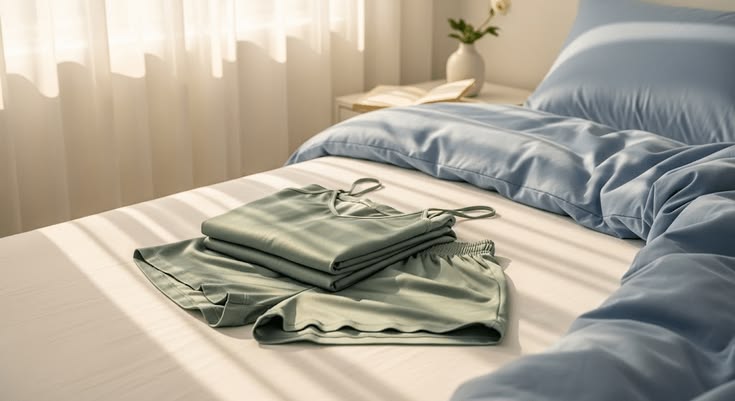
How Cooling Technology Works
Cooling technology in bedding is not necessarily about making the fabric artificially cold. Instead, advanced fabrics can be engineered to move heat and moisture more effectively.
Rest describes Evercool as using high-conductivity yarns and a high-contact fabric surface. The company says its construction increases the amount of fabric surface contacting the skin, helping facilitate heat transfer.
For hot sleepers, this can be more useful than simply choosing a thinner blanket.
A thin traditional comforter may reduce insulation, but it does not necessarily address sweat, moisture, or heat transfer. Cooling fabric approaches the problem from several directions simultaneously.
Moisture-Wicking Bedding for Hot Sleepers
Heat and sweat often go together. If moisture remains trapped between your body and your bedding, you may continue feeling uncomfortable even when the room itself is relatively cool.
Rest Evercool uses moisture-wicking materials designed to move moisture away from the skin and help it evaporate. Rest’s current product information states that the Evercool comforter uses TENCEL™ and Sorona® filling and is designed to wick moisture and breathe effectively.
For people who experience nighttime sweating, moisture management can therefore be just as important as the initial cooling sensation.
Look for these features in moisture-wicking bedding:
- Quick moisture movement away from skin
- Breathable construction
- Fast-drying characteristics
- Lightweight materials
- Comfortable skin contact
- Easy-care fabrics
Rest Evercool Comforter vs a Traditional Comforter
The Rest Evercool comforter is designed for sleepers who want a comforter without the heavy, heat-trapping feeling that some traditional options can create.
Traditional comforters vary significantly. Down, polyester, cotton-filled, and other comforters can provide excellent warmth, but that warmth may not always be desirable for people who sleep hot.
Evercool takes a different approach by combining cooling fabric with a lightweight filling designed around temperature regulation.
Cooling comforter comparison
| Feature | Rest Evercool | Traditional Bedding |
|---|---|---|
| Cool-to-touch feel | High | Depends on material |
| Qmax testing | Yes | Usually varies |
| Moisture management | Designed for wicking | Depends on fabric |
| Breathability | Designed for airflow | Varies |
| Temperature regulation | Cooling-focused | Primarily comfort/warmth |
| Machine washable | Yes | Depends on product |
| Designed specifically for hot sleepers | Yes | Not necessarily |
This doesn’t mean traditional bedding is inferior. Cotton, silk, and bamboo can all be comfortable materials. The difference is that Evercool is specifically engineered around cooling performance.
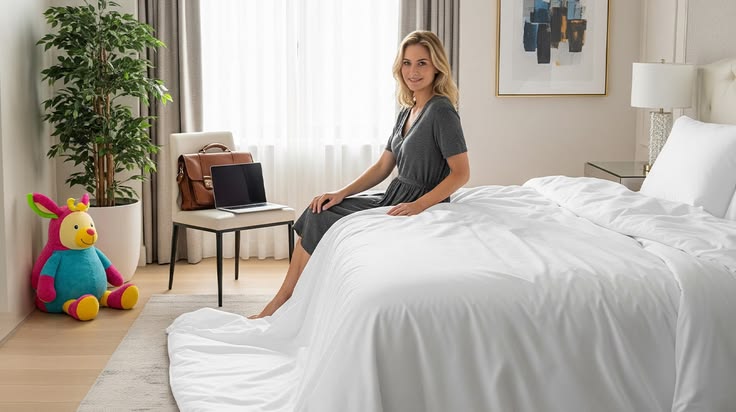
Breathability and Temperature Regulation
Temperature regulation is another important difference between ordinary and specialized bedding.
Breathability allows air and heat to move through the material instead of becoming trapped close to the body. Rest describes Evercool as breathable and designed to release trapped heat while allowing air circulation.
This can be particularly useful for hot sleepers who dislike the feeling of being enclosed beneath a heavy comforter.
For people living in humid US locations, breathability can be especially important because both heat and moisture can contribute to discomfort.
Is Rest Evercool Better Than Cotton, Bamboo, or Silk?
There is no single bedding material that is objectively best for every sleeper. Traditional materials have their own advantages.
Cotton is widely used, familiar, and available at many price points. Bamboo-derived fabrics can offer a smooth and comfortable feel, while silk is known for its softness and luxurious texture.
However, the cooling fabric vs regular bedding comparison changes when cooling performance becomes the main priority.
Rest’s SGS testing reports a higher Qmax for Evercool than the tested silk, bamboo, and cotton fabrics. Rest also reports stronger breathability and moisture-wicking characteristics for Evercool in its comparison data.
How to Choose Between Cooling and Traditional Bedding
Your choice ultimately depends on your sleeping preferences, climate, and priorities.
Traditional bedding may be sufficient if you rarely feel hot at night and primarily value softness, warmth, or affordability.
A specialized cooling product can make more sense if temperature regulation is one of your biggest sleep concerns.
Before buying, compare:
- Cooling performance
- Qmax or other available testing
- Breathability
- Moisture-wicking capability
- Comforter weight
- Fabric feel
FAQs About Rest Evercool
What makes Rest Evercool different from traditional bedding?
Rest Evercool is specifically engineered for cooling and temperature regulation. Its proprietary fabric is designed to provide a cool-to-the-touch sensation while also offering breathability and moisture-wicking performance.
What does Qmax mean in cooling bedding?
Qmax measures the initial coolness of a fabric when it contacts the skin. Generally, a higher Qmax indicates a stronger cool-to-the-touch sensation.
Is the Rest Evercool comforter good for hot sleepers?
Yes. The Evercool comforter is specifically marketed for hot sleepers and combines cooling fabric with moisture-wicking and breathable construction.
Is Evercool cooler than cotton and silk?
Rest’s SGS testing reports an Evercool Qmax of approximately 0.433 W/cm², compared with 0.19 for silk and 0.11 for cotton. Qmax specifically measures the cool sensation at initial contact.
Conclusion
Rest Evercool takes a different approach to bedding by focusing specifically on cooling technology, heat transfer, breathability, and moisture management. Rather than simply reducing the amount of insulation, its proprietary fabric is engineered to provide a cool-to-the-touch sensation and support temperature regulation.
The biggest distinction in a cooling fabric vs regular bedding comparison is that Evercool is designed around thermal comfort from the beginning. Its reported Qmax performance also gives shoppers a measurable way to understand its initial cooling sensation compared with tested cotton, bamboo, and silk fabrics.
For hot sleepers, especially those living in warmer US climates or looking for comfortable summer bedding, the Rest Evercool comforter is worth considering as an alternative to conventional bedding.