Choosing the right running shoes can make every mile feel more comfortable while helping you get the support and performance your training requires. Whether you’re a beginner jogging through London parks, a regular road runner in Manchester, or preparing for longer distances across the UK, footwear plays an important role in your running experience. The right pair should feel comfortable from the first step, provide appropriate cushioning, and suit the surfaces and distances you run most often.
A good running shoe guide should focus on more than brand names or appearance. Factors such as fit, cushioning, flexibility, stability, weight, durability, and running surface can all influence your choice. The best shoes for runners are those that complement your individual needs rather than simply following the latest trend.
Start by Understanding Your Running Style
Before buying running shoes, think about where, how often, and how far you normally run. Someone who runs three kilometers on pavement a few times a week may need a different shoe from someone training for a marathon or regularly running trails.
Consider your typical:
- Running distance
- Weekly mileage
- Pace and training intensity
- Running surface
- Indoor or outdoor environment
- Training frequency
- Previous footwear preferences
Your running environment is particularly important. Road running shoes are designed primarily for paved surfaces, while trail shoes generally have more specialized traction and protection for uneven terrain.
Get the Right Running Fit
Fit is arguably one of the most important factors when choosing running shoes. Even a technically advanced shoe won’t perform well if it’s too tight, too loose, or uncomfortable around your foot.
Your toes should have enough room to move naturally without your foot sliding excessively inside the shoe. It’s also worth remembering that feet can swell slightly during longer runs, so a fit that feels comfortable during a quick test should remain comfortable over extended distances.
When trying shoes, check:
- Toe-box space
- Heel security
- Midfoot fit
- Width
- Overall comfort
- Any pressure points
Try both shoes and walk or jog around the store if possible. If buying online, use the brand’s specific size chart instead of assuming every manufacturer follows exactly the same sizing.
Understand Cushioning
Cushioning affects how a shoe feels underfoot and can influence comfort during longer training sessions.
Some runners prefer a softer, more cushioned ride, while others prefer a firmer and more responsive feel. Neither is automatically better.
Higher cushioning can feel comfortable during longer runs, while lighter shoes with a firmer platform may appeal to runners who prioritize responsiveness.
The ideal choice depends on your preferences, running style, distance, and the surface you use.
Think About Your Training Goals
Short recreational runs: A balanced everyday trainer may be sufficient.
Long-distance training: More cushioning may appeal to runners seeking additional comfort.
Speed workouts: A lighter, more responsive shoe can be useful.
Daily mileage: Prioritize a comfortable and durable training shoe.
Don’t assume that more cushioning automatically means better performance. Comfort and personal preference remain important.
Look for Appropriate Foot Support
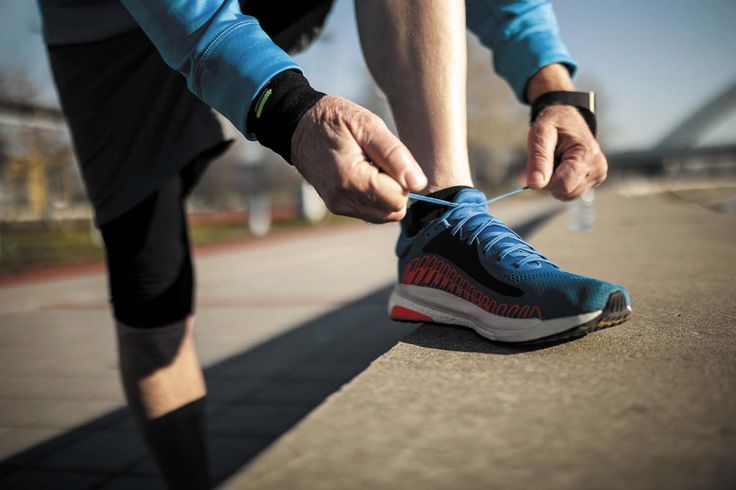
Supportive footwear can be useful for runners who prefer additional structure or stability. However, not every runner needs a highly structured shoe.
Modern running shoes come in a variety of designs, from flexible neutral models to shoes with additional stability features.
If you have persistent foot, ankle, knee, or other running-related discomfort, consider discussing it with a qualified healthcare or running professional rather than trying to diagnose the issue solely through footwear.
For most shoppers, the best starting point is a shoe that feels comfortable, secure, and appropriate for their running needs.
Road Running Shoes
Road running shoes are generally designed for pavement, asphalt, tracks, and other relatively smooth surfaces. They typically prioritize cushioning, smooth transitions, and efficient movement.
They’re a practical choice for urban runners in places such as London, Birmingham, Leeds, or Edinburgh who primarily run on roads and pavements.
Trail Running Shoes
Trail shoes are designed for uneven terrain and often include more aggressive outsole patterns for traction. If your runs regularly take you onto muddy paths, rocky trails, or uneven countryside, specialized footwear may be more appropriate.
For runners who split their time between pavement and trails, a versatile hybrid model may be worth considering.
Check Flexibility and Ride Feel
Flexibility affects how naturally a shoe moves with your foot. Some runners prefer shoes that bend easily, while others like a more structured platform.
When trying on shoes for runners, walk and jog naturally rather than focusing solely on how the shoe feels while standing.
Ask yourself:
- Does the shoe move naturally with my stride?
- Does the heel stay secure?
- Does the forefoot feel comfortable?
- Does the shoe feel balanced?
- Is there any rubbing?
These simple checks can reveal problems that specifications alone won’t show.
Don’t Choose Running Shoes Based Only on Appearance
Color and design can certainly influence your purchase, but they shouldn’t be the deciding factors.
A stylish shoe that doesn’t fit properly can quickly become uncomfortable. Similarly, the most expensive model isn’t automatically the best choice for every runner.
Instead, prioritize:
- Fit
- Comfort
- Running surface
- Cushioning preference
- Support
- Durability
- Intended training use
Then choose the style you like within those requirements.
Consider the UK Climate
For UK runners, weather is another practical consideration. Regular road runners may encounter rain, wet pavement, and cooler temperatures throughout the year.
While you don’t necessarily need waterproof running shoes, choosing an outsole with reliable traction can be useful during wet conditions. Trail runners should pay even closer attention to grip when dealing with mud and uneven ground.
Your choice should ultimately reflect where you run most frequently rather than occasional weather conditions.
When Should You Replace Your Running Shoes?
There isn’t one mileage number that applies to every runner. Shoe lifespan depends on factors such as body weight, running surface, training frequency, shoe construction, and running style.
Instead of relying exclusively on mileage, monitor how your shoes feel and look.
Signs worth paying attention to include:
- Noticeable outsole wear
- Flattened or compressed cushioning
- Uneven wear
- Damaged upper materials
If a shoe no longer feels like it did when new, it may be time to evaluate whether replacement is appropriate.
Frequently Asked Questions
1. How should running shoes fit?
Your running shoes should feel secure around the heel and midfoot while leaving enough room for your toes to move comfortably. They shouldn’t create pressure points or allow excessive foot movement.
2. How much cushioning do I need in running shoes?
It depends on your preferences, training distance, running surface, and comfort needs. Some runners prefer softer cushioning, while others prefer a firmer and more responsive feel.
3. Are road running shoes suitable for trails?
Basic road running shoes can work on smooth, maintained paths, but dedicated trails with mud, rocks, or uneven terrain generally require footwear with more appropriate traction and protection.
4. Should running shoes feel tight when new?
They should feel secure but not uncomfortably tight. Your toes need sufficient space, and there shouldn’t be excessive pressure around the forefoot or sides of your feet.
5. How often should I replace running shoes?
There is no universal replacement schedule. Monitor cushioning, outsole wear, structural condition, and changes in comfort rather than relying only on a specific mileage figure.
Conclusion
Finding the right running shoes is ultimately about matching your footwear to your feet, training habits, running surface, and personal comfort preferences. Whether you’re completing short runs around your neighborhood or preparing for a longer race, the right shoe can make your training experience more enjoyable.
Use this running shoe guide to compare fit, cushioning, support, flexibility, weight, durability, and surface suitability before buying. Don’t choose a pair solely because it’s fashionable or popular. The best footwear is the pair that feels comfortable, secure, and appropriate for the miles you actually run.