Choosing the right training leggings can make a noticeable difference to comfort, confidence, and performance during exercise. Whether you’re lifting weights, attending fitness classes, running, or doing mobility work, leggings need to move with your body without constantly slipping, becoming uncomfortable, or losing their shape. For UK shoppers dealing with changing temperatures and year-round indoor and outdoor workouts, the right combination of fabric, fit, support, and breathability is especially important.
Unlike everyday leggings, training leggings are designed for movement and repeated use. The best pair should feel secure during squats and lunges while remaining comfortable enough for longer sessions. This guide explains the features worth checking before buying your next pair of workout leggings.
Start With the Type of Workout You Do
The best leggings depend heavily on your training style. A pair designed for low-impact yoga may not provide the support required for weightlifting, while lightweight running leggings may feel different from thicker gym wear.
Before shopping, consider how you’ll use your leggings most often.
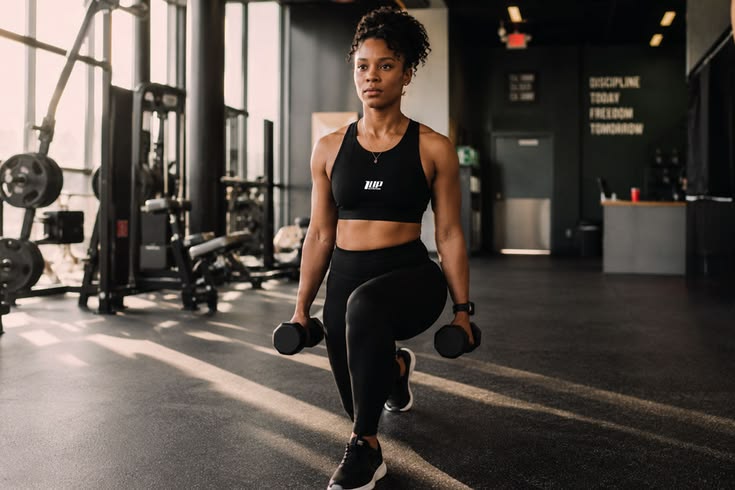
- Weight training: Look for durable, supportive, squat-proof fabric.
- Running: Prioritize lightweight construction and moisture management.
- HIIT: Choose breathable, stretchy materials that stay securely in place.
- Yoga or Pilates: Look for soft stretch fabric and unrestricted movement.
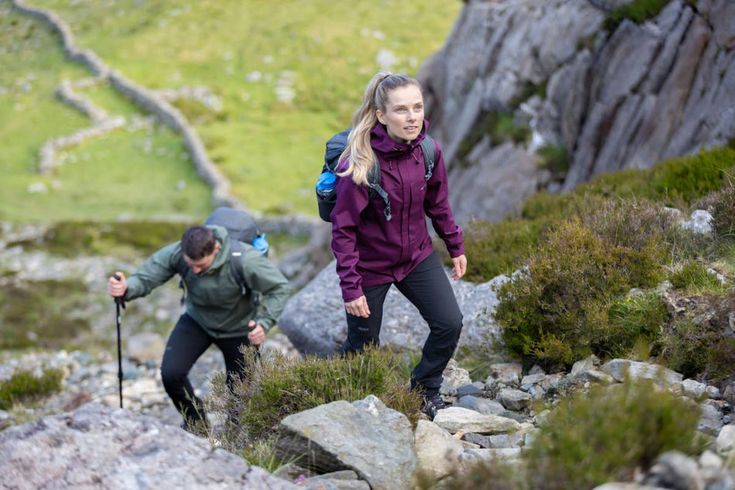
- Outdoor workouts: Consider weather, temperature, and fabric thickness.
Knowing your main activity helps narrow down features without paying extra for specifications you won’t actually use.
Check the Fabric and Stretch
Fabric is one of the most important factors when selecting training leggings. A good pair should stretch comfortably without becoming excessively thin or losing its shape during movement.
Stretch fabric containing materials such as elastane or spandex is commonly used in activewear because it allows greater freedom of movement. However, the percentage of stretch material isn’t the only consideration. Fabric construction, thickness, stitching, and overall quality also affect performance.
Look for a material that feels supportive without being restrictive. When trying leggings on, perform a few basic movements such as squats, lunges, or bending to see whether the fabric moves naturally with you.
Look for Moisture-Wicking Properties
During exercise, your body produces heat and sweat. Moisture-wicking clothing is designed to move moisture away from the skin and help it evaporate more efficiently.
This can make leggings feel more comfortable during longer or higher-intensity sessions.
For gym workouts, running, and HIIT, consider fabrics that are specifically designed to manage moisture. Breathable panels or lightweight construction can also help with temperature regulation.
Make Sure Your Training Leggings Are Squat-Proof
For anyone who does strength training, one of the most important considerations is whether leggings remain opaque during movement.
Squat-proof leggings should maintain adequate coverage when the fabric stretches. However, opacity can vary depending on the material, color, thickness, and fit.
A useful test is to perform a deep squat in good lighting before buying or, when shopping online, check customer reviews for comments about transparency.
Pay particular attention to:
- Fabric thickness.
- Stretch level.
- Color and pattern.
- Seam placement.
- Customer feedback.
- Return policy.
Darker colors aren’t automatically squat-proof, so don’t rely on color alone.
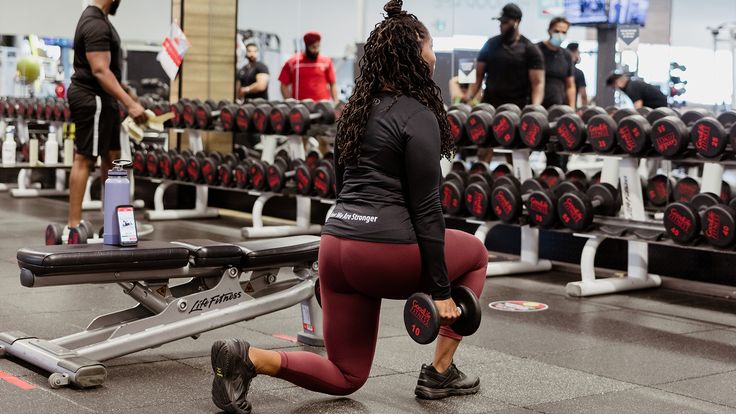
Choose the Right Waistband
The waistband can determine whether your leggings stay comfortable throughout a workout. A waistband that rolls down or digs into your skin can become distracting, especially during exercises involving bending and stretching.
High-waist leggings are popular because they provide additional coverage and can feel secure during movement. However, the ideal waistband height depends on personal preference and body shape.
Look for a waistband that stays flat without creating excessive pressure. A wide, supportive design can distribute pressure more comfortably than a narrow elastic band.
Consider Fit and Compression
Fit is about more than choosing your usual clothing size. Different activewear brands can use different sizing systems, so checking the individual size chart is worthwhile.
Training leggings should feel secure without restricting circulation or movement. Excessively loose leggings may move during exercise, while overly tight leggings can become uncomfortable.
Compression is another factor to consider. Some sports leggings provide light compression for a supportive feel, while others prioritize flexibility and softness.
If you’re unsure, compare waist, hip, and inseam measurements with the manufacturer’s size guide rather than relying only on S, M, L, or XL labels.
Look for Comfortable Seams
Seams can have a major effect on how leggings feel during extended workouts. Poorly positioned or bulky seams can cause irritation, particularly during running or repetitive exercises.
Flatlock seams are often used in performance clothing to reduce bulk and minimize friction.
For activities involving frequent movement, check whether the seams sit comfortably around areas such as:
- Inner thighs.
- Waistband.
- Knees.
- Glutes.
- Hips.
A well-designed pair should remain comfortable even after an hour or more of movement.
Check the Length and Ankle Fit
Training leggings are available in different lengths, including full-length, 7/8, and cropped designs.
Full-length styles can provide additional coverage in colder UK weather, while cropped and 7/8 styles may feel more comfortable during warmer indoor workouts.
Your footwear can also influence which length looks and feels best.
If you frequently run outdoors, consider whether the ankle opening remains secure. For gym sessions, you may prefer a slightly shorter style that allows greater ventilation.
Consider Breathability for Different Seasons
The ideal pair of sports leggings can change depending on when and where you exercise.
For summer workouts, lightweight and breathable fabric can help prevent overheating. During colder UK months, thicker leggings may provide additional warmth for outdoor activities.
If you train both indoors and outdoors, choosing a versatile medium-weight pair may offer the best balance.
For Different Conditions
Warm weather: Lightweight, breathable, moisture-managing fabric.
Cold weather: Thicker fabric or layering-friendly construction.
Indoor gym: Breathability and stretch.
Outdoor training: Weather suitability, durability, and coverage.
Check the Brand’s Return Policy
Buying fitness clothing online can make sizing more difficult because you cannot test the fit before purchasing. A clear return or exchange policy therefore provides useful reassurance.
Before ordering, check:
- Whether returns are accepted.
- The return period.
- Whether sale items can be returned.
- Whether tags must remain attached.
- Whether return shipping costs apply.
This is especially useful when trying a new activewear brand for the first time.
A Simple Buying Checklist
Before purchasing your next pair, ask yourself:
- Is the fabric stretchy enough for my workouts?
- Is it breathable and moisture-managing?
- Does the waistband stay securely in place?
- Is the material opaque during squats?
- Does the size chart match my measurements?
- Are the seams comfortable?
- Is the length suitable for my training environment?
- Does the brand offer a practical return policy?
If the answer is yes to most of these questions, you’re likely looking at a pair that can perform well for your routine.
Frequently Asked Questions
1. What should I look for when buying training leggings?
Focus on fabric stretch, breathability, moisture management, fit, waistband support, opacity, seams, durability, and the type of exercise you perform.
2. What are squat-proof leggings?
Squat-proof leggings are designed to remain sufficiently opaque when the fabric stretches during movements such as squats and lunges. Always check product specifications and customer reviews because performance can vary.
3. Are high-waist leggings better for workouts?
High-waist leggings can provide additional coverage and a secure feel during activities such as weightlifting and HIIT. However, the best waistband style ultimately depends on personal comfort and preference.
4. Should workout leggings be tight?
They should feel secure without restricting comfortable movement. Excessively tight leggings may cause discomfort, while loose leggings can shift during exercise.
5. What fabric is best for sports leggings?
A stretchy, breathable, moisture-managing fabric is generally a good choice for activewear. The ideal material depends on the workout, climate, and level of support required.
Conclusion
Finding the right training leggings is about more than choosing a flattering design. The best pair should support your movement, remain comfortable throughout your workout, manage moisture, and maintain its shape after repeated use.
Whether you’re lifting weights in a UK gym, running outdoors, attending a fitness class, or building a versatile fitness wardrobe, pay close attention to stretch fabric, waistband construction, breathability, opacity, fit, and durability. A few minutes spent comparing these features can help you avoid uncomfortable purchases and find activewear that genuinely works for your routine.