







Planning South America flight connections can make a multi-country trip far more efficient, but transfers require more attention than simply choosing the shortest layover. Different airports, immigration procedures, baggage rules, terminal layouts, and regional flight schedules can all affect how smoothly your journey goes. A little preparation before departure can help turn potentially stressful connecting flights in South America into a manageable part of your itinerary.
Whether you’re traveling from Chile to Peru, Brazil to Argentina, or connecting from an international flight to a regional destination, understanding how transfers work is one of the most useful flight transfer tips you can apply.
Why South America Flight Connections Need Careful Planning
A connecting itinerary can save money and open up destinations that don’t have convenient nonstop services. However, the total travel experience depends on more than the flight schedule.
A connection can involve:
- Changing aircraft.
- Moving between airport terminals.
- Collecting and rechecking baggage.
- Passing through customs.
- Finding a new boarding gate.
- Adjusting to a different airport layout.
The most important thing is to look at your entire itinerary, not just the scheduled time between flights.
A 90-minute connection may appear reasonable on paper, but it can become uncomfortable if you need to collect baggage, pass through immigration, change terminals, and check in again.
Choose Connections With Enough Time
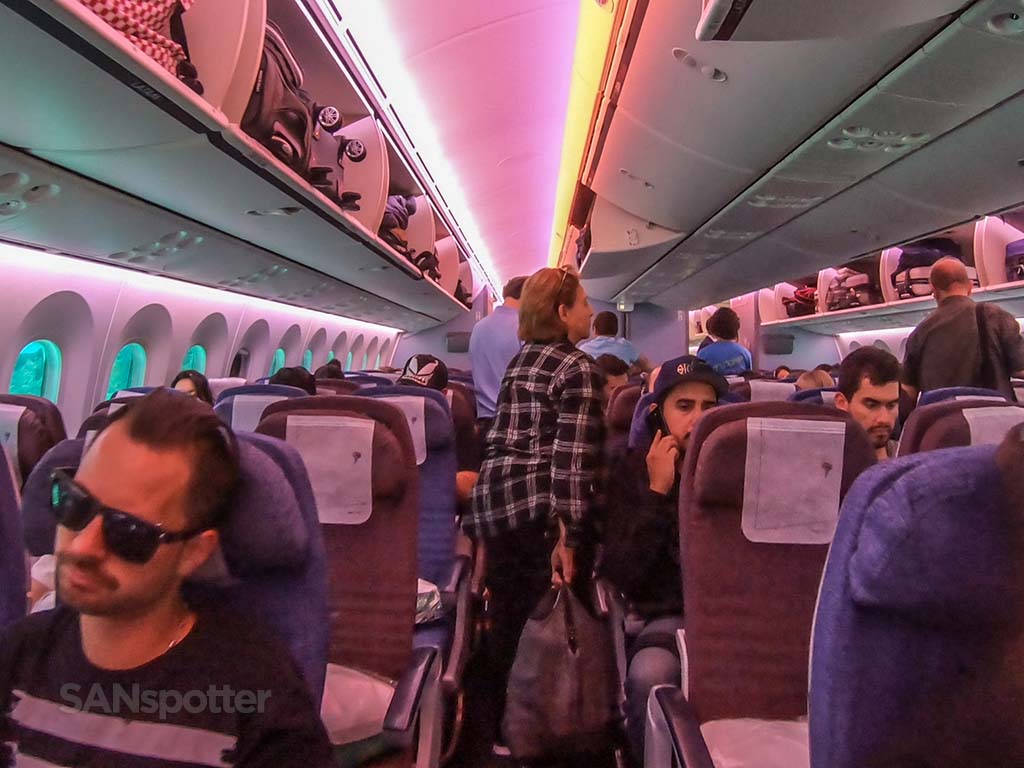
One of the most important rules for stress-free travel is avoiding unnecessarily tight connections. There is no universal “perfect” layover because the right amount of time depends on the airport, itinerary, whether you’re changing airlines, and whether you need to complete border or baggage procedures.
Why Short Layovers Can Be Risky
If your first flight arrives late, even a small delay can create problems when your next flight departs shortly afterward. You may also need to walk a significant distance between gates or complete additional airport formalities.
When planning South America flight connections, prioritize a comfortable transfer over saving a small amount of time.
A slightly longer layover can give you time to locate the correct terminal, use airport facilities, collect baggage if required, and reach your next gate without rushing.
Understand the Difference Between Same-Booking and Separate Tickets
When flights are booked under the same reservation, the airlines and airport systems may be able to transfer checked baggage and manage the itinerary as a connected journey, subject to specific route and airport rules.
With separate tickets, however, you generally have greater responsibility for making the connection. A delay on the first flight may not be covered by the airline operating your second flight.
For this reason, travelers using separate bookings should leave a much larger buffer between flights.
Why One Reservation Can Be Easier
LATAM states that when flights are under the same reservation, baggage is generally tagged through to the final destination, although exceptions can apply because of customs procedures, airport changes, or specific routes.
That doesn’t mean you should automatically assume your luggage will reach the final destination without intervention. Always check the baggage instructions for your specific itinerary.
Know When You Need to Collect Your Baggage
Baggage procedures are one of the most confusing aspects of connecting flights in South America, particularly when an international flight connects to a domestic service.
For example, LATAM specifically provides procedures for international-to-domestic connections involving airports such as:
- Santiago, Chile (SCL)
- Guarulhos, Brazil (GRU)
- Lima, Peru (LIM)
At these airports, specific baggage re-tagging or connection procedures may apply.
Because these rules can change based on the itinerary, don’t rely on assumptions. Confirm the baggage instructions during booking and again at your departure airport.
Check the Airport Codes Carefully
Before booking, verify:
- Arrival airport code.
- Departure airport code.
- Terminal information.
- Whether an airport change is required.
- Ground transportation options.
- Baggage requirements.
A connection involving two different airports can be substantially more complicated than changing planes within the same terminal.
Plan for International-to-Domestic Transfers
Many South America itineraries combine an international arrival with a domestic or regional flight.
For example, a traveler might fly internationally into Lima and then continue to Cusco, or arrive in Santiago before traveling onward to another Chilean city.
LATAM currently lists a broad selection of destinations across Chile and Peru, including Santiago, Calama, Puerto Natales, Punta Arenas, Lima, Cusco, Arequipa, Iquitos, and Puerto Maldonado.
This regional connectivity can make multi-destination trips easier, but the connection process still needs to be planned carefully.
Build Extra Time Into Your Itinerary
International-to-domestic transfers may involve:
- Leaving the aircraft.
- Following connection signs.
- Completing immigration procedures.
- Collecting checked baggage when required.
- Passing through customs.
- Rechecking baggage.
- Going through security.
- Finding the domestic departure gate.
The exact sequence varies by airport and itinerary, so check the airport’s current instructions before traveling.
Don’t Ignore Flight Schedules
A cheap connection isn’t necessarily a good connection. When comparing flight schedules, consider what happens if your first flight is delayed.
A connection later in the day may sometimes provide more options if your first flight is disrupted, while a very late final flight could create problems if you miss it.
When building your itinerary, look beyond the departure time and consider the availability of alternative flights.
Keep Important Items in Your Carry-On
If your checked baggage needs to be collected during a connection, you don’t want your essential items buried inside it.
Keep important travel items in your cabin bag, particularly when making international transfers.
These can include:
- Passport and travel documents.
- Boarding passes.
- Phone and charger.
- Medication.
- Essential toiletries.
- A change of basic clothing.
This is especially useful if an unexpected delay forces you to spend additional time at the connecting airport.
Be Careful With Separate Airline Connections
Travelers sometimes combine different airlines to reduce airfare. This can work, but it requires additional planning.
LATAM explains that when a trip includes connections between different airlines, baggage procedures depend on the itinerary and operating carriers. For associated-airline flights, baggage allowances can also vary according to the fare and operating airline.
If you combine airlines, check:
- Baggage allowance for each flight.
- Check-in requirements.
- Connection protection.
- Whether baggage is transferred automatically.
Never assume that because two flights appear in the same search result, they are automatically treated as one protected itinerary.
Use a Regional Airline Network to Simplify Multi-Country Trips
For travelers planning multiple stops, choosing an airline with extensive regional coverage can simplify the itinerary.
LATAM’s current South America destination network covers numerous cities across the continent, including major hubs and regional destinations in Chile, Peru, Brazil, Argentina, Colombia, Ecuador, Paraguay, and Uruguay.
A broad network doesn’t guarantee the shortest or cheapest itinerary, but it can provide more options when you’re building a multi-city route.
Create a Connection Checklist Before Flying
Before starting your journey, save all relevant information in one place. Having your itinerary available offline can be particularly helpful if airport Wi-Fi is unreliable.
Your connection checklist should include:
- Flight numbers and departure times.
- Airport and terminal codes.
- Boarding passes.
- Baggage instructions.
- Connection duration.
- Immigration requirements.
- Airline contact details.
- Accommodation information.
- Airport transfer details.
This simple preparation can make navigating unfamiliar connecting airports much easier.
Frequently Asked Questions
1. How much connection time should I allow in South America?
There is no single ideal connection time because requirements vary by airport and itinerary. International-to-domestic transfers generally require more time than simple domestic connections because immigration, baggage, customs, and security may be involved.
2. Do I always have to collect baggage during a connection?
No. It depends on your itinerary, airport, airline, and whether your flights are under the same reservation. LATAM states that baggage is generally transferred when flights share the same reservation, but exceptions can require passengers to collect and recheck bags.
3. What happens when an international flight connects to a domestic flight?
Depending on the airport and route, you may need to clear immigration, collect checked baggage, pass customs, and recheck your luggage before continuing to the domestic departure area. LATAM specifically identifies baggage recheck procedures for certain connections through Santiago, Guarulhos, and Lima.
4. Are separate flight tickets safe for South America connections?
They can be used, but they carry additional risk. If your first flight is delayed, the airline operating your second separately booked flight may not be responsible for the missed connection. Allow a generous buffer when booking separate tickets.
5. Can I connect between different airports in the same city?
Yes, but this requires additional planning. São Paulo, for example, has both Guarulhos and Congonhas airports. LATAM states that passengers connecting between these airports need to collect their baggage and transport it to the next terminal.
Conclusion
Successful South America flight connections come down to preparation rather than luck. Choosing realistic layovers, understanding baggage requirements, checking connecting airports, and allowing enough time for international transfers can prevent many of the problems travelers encounter during multi-country journeys.
Plan your connections carefully, explore the available South America routes, and book an itinerary that gives you enough time to transfer comfortably-so the journey between destinations becomes part of the adventure rather than a source of stress.