








Affiliate Disclosure: This article contains affiliate links. If you purchase through them, we may earn a commission at no additional cost to you. Our recommendations are based on independent research and security analysis.
Online Privacy Has Become More Complex Than Just Using a VPN
For years, installing a VPN was considered the ultimate solution for online privacy.
It encrypted your internet traffic, masked your IP address, and helped prevent tracking from advertisers and surveillance networks.
But the digital landscape has changed dramatically.
Today, protecting your online identity requires addressing multiple threats at the same time:
- internet tracking
- malware infections
- exposed personal data
- identity theft risks
- data broker databases
A VPN can solve some of these problems, but not all of them.
This has led to the rise of privacy protection suites, which combine multiple cybersecurity tools into a single platform.
The question many users now face is simple:
Should you rely on a standalone VPN, or is a full privacy suite the smarter long-term strategy?
Understanding the strengths and limitations of each approach is key to making the right decision.
What a VPN Actually Protects (And What It Doesn’t)

A VPN works by encrypting the connection between your device and the internet.
Instead of connecting directly to websites, your traffic is routed through a secure server that hides your real IP address.
This creates several important privacy benefits.
First, it prevents internet service providers from monitoring your browsing activity.
Second, it stops websites from directly identifying your real location.
Third, it protects your connection when using public Wi-Fi networks.
For these reasons, VPNs remain one of the most essential cybersecurity tools available today.
Surfshark is one example of a VPN provider that focuses on combining strong encryption protocols with a user-friendly interface and global server infrastructure.
However, while VPNs provide powerful privacy protection, they have limitations.
A VPN does not automatically protect you from:
- malware downloads
- phishing attacks
- leaked passwords
- personal data already circulating in broker databases
These risks exist outside the encrypted tunnel created by a VPN.
This is why many cybersecurity companies have expanded their offerings beyond standalone VPN tools.
The Rise of All-In-One Privacy Protection Suites
Privacy protection suites aim to address a broader range of threats by combining multiple tools within a single service.
Instead of installing several separate apps, users can manage their entire security stack through one platform.
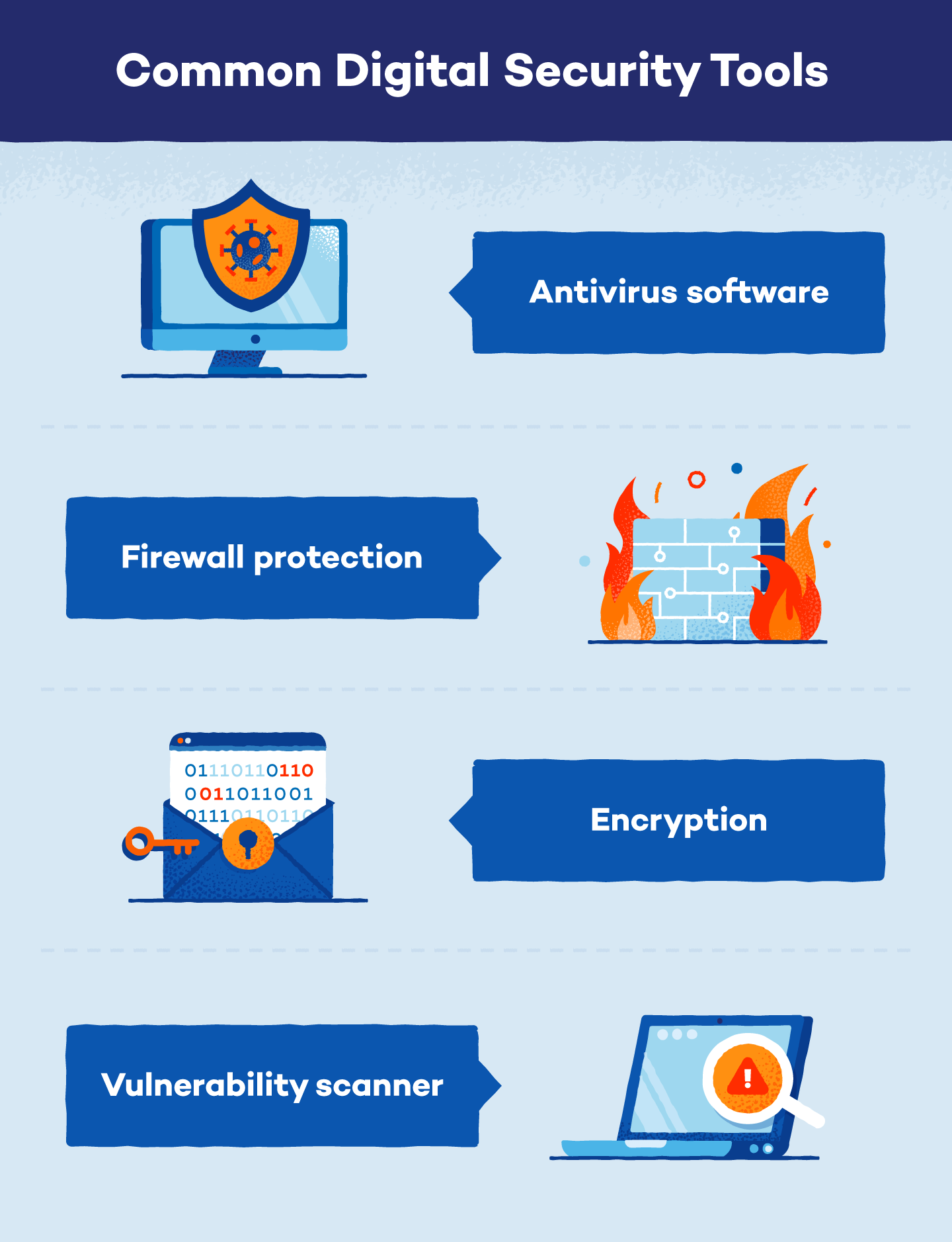
Typical features included in these bundles may include:
VPN encryption
Antivirus protection
Data breach monitoring
Private search engines
Identity masking tools
One provider that has embraced this model is Surfshark, which expanded its ecosystem with packages such as Surfshark One and Surfshark One+.
These bundles combine VPN protection with additional security tools designed to protect users across several layers of the digital environment.
For example:
- Antivirus helps detect malicious files before they execute
- Alert systems notify users if their email appears in a data breach
- Private search tools reduce tracking by search engines
The result is a broader privacy strategy that extends beyond encrypted browsing.
When a Standalone VPN Is Still Enough

Despite the rise of bundled cybersecurity platforms, standalone VPN services remain useful for many people.
If your main concerns involve:
- public Wi-Fi security
- location privacy
- bypassing geo-restricted content
then a dedicated VPN may be sufficient.
Travelers, remote workers, and frequent public network users often prioritize encrypted connections above all else.
In these cases, installing a VPN like Surfshark can significantly improve security without adding unnecessary complexity.
VPN apps are also typically lightweight and easy to operate.
With a single click, users can secure their connection and route traffic through international servers.
For individuals who prefer minimal tools, this simplicity can be appealing.
However, as cyber threats become more sophisticated, relying solely on one layer of protection may leave gaps.
The Value of Layered Security
Cybersecurity professionals often emphasize the concept of layered defense.
Instead of relying on a single tool, protection is spread across multiple safeguards that reinforce one another.
A typical layered privacy strategy might include:
- encrypted internet connections
- malware detection systems
- password management tools
- identity monitoring services
- data broker removal solutions
Privacy suites attempt to simplify this model by bundling many of these layers into one ecosystem.
Surfshark One+, for example, adds services designed to locate and remove personal data from broker databases, further reducing long-term privacy exposure.
For users concerned about identity theft or large-scale data tracking, this kind of layered protection can significantly strengthen overall security.
Rather than patching together separate tools from different providers, integrated suites streamline the process.
The Extra Value Factor Most Buyers Overlook
When comparing privacy tools, most buyers focus only on security features.
However, subscription services sometimes include additional benefits that increase the overall value of a purchase.
Currently, Surfshark is running a promotion where users purchasing a 1-year or 2-year Surfshark plan through affiliate partners receive 12 months of Calm Premium for free.
Calm is widely recognized as one of the most popular apps for:
- meditation guidance
- sleep improvement
- stress reduction
The promotion runs from February to March , although the number of available redemption codes is limited.
Users can claim their Calm subscription after the VPN trial or refund period ends.
While this offer does not directly impact cybersecurity capabilities, it does add a lifestyle benefit that many subscribers appreciate.
After all, digital privacy and mental well-being both contribute to a healthier online life.
Which Strategy Is Right for You?
Choosing between a standalone VPN and a privacy protection suite ultimately depends on your personal security priorities.
If your primary goal is protecting internet traffic while traveling or using public networks, a VPN alone may be sufficient.
However, if you want broader protection against multiple digital threats, an integrated privacy suite may offer a more comprehensive solution.
Modern platforms like Surfshark attempt to bridge this gap by offering both options.
Users can begin with the core VPN service and later upgrade to broader security bundles if their needs expand.
This flexibility allows individuals to build a privacy strategy that grows alongside their digital habits.
The most important takeaway is this:
Online security is no longer a single-tool problem.
Whether you choose a VPN or a full cybersecurity suite, the best approach is one that actively protects your identity, your data, and your digital footprint in an increasingly connected world.