Free VPNs often collapse during live sports, travel, and public Wi-Fi use. Learn why they fail at critical moments and what actually delivers reliable protection.
Free VPNs are everywhere. App stores, browser extensions, and search results are filled with promises of “no cost,” “unlimited access,” and “instant privacy.” For casual browsing, many users assume a free VPN is good enough. The problem is that the moments when people rely on VPNs the most—live sports, international travel, and public Wi-Fi—are exactly when free VPNs tend to fail.
This article explains why free VPNs break down under real-world pressure, what actually happens behind the scenes during peak demand, and why users often upgrade only after a critical failure—missed matches, exposed data, or unusable connections.
The Appeal of Free VPNs—and the Assumptions Users Make
Free VPNs attract users for understandable reasons:
- No upfront cost
- Quick installation
- No commitment
- Appearing to solve access issues
Many users assume:
- “If it connects, it works”
- “All VPNs do basically the same thing”
- “I only need it temporarily”
These assumptions hold up only during low-demand, low-risk usage. Once conditions change, cracks appear quickly.
When VPN Demand Spikes, Free Services Are Hit First
VPN demand is not evenly distributed. It spikes sharply during:
- Major live sports events
- Global travel seasons
- Large-scale news or political events
- Public Wi-Fi congestion periods
Free VPNs operate on extremely limited infrastructure. When demand spikes, they experience:
- Overcrowded servers
- Severe speed throttling
- Random disconnects
- Inability to reconnect quickly
This is why users often report that free VPNs “worked yesterday” but fail exactly when it matters.
Live Sports: Where Free VPNs Collapse Fastest
Live sports are the ultimate stress test.
They require:
- Continuous high bandwidth
- Low latency
- Stable, uninterrupted connections
- Consistency over several hours
Free VPNs struggle here because:
- Servers are shared by thousands of users
- Bandwidth is capped or throttled
- Streaming platforms actively block low-quality VPN IPs
As a result, users experience:
- Buffering during key moments
- Sudden stream drops
- Forced reconnects that miss live action
This is why searches like “free VPN stopped working during game” surge during major events.
Travel: Free VPNs Don’t Scale Across Borders
Travel introduces complexity that free VPNs are not designed to handle.
Common travel-related issues include:
- Switching between networks frequently
- Hotel and airport Wi-Fi restrictions
- Regional blocks on familiar apps
- Time-sensitive access needs
Free VPNs typically offer:
- Very limited server locations
- No optimization for international routing
- Poor reconnection handling
This results in unstable access just when travelers need reliability—for navigation, communication, work, and entertainment.
Public Wi-Fi: The Hidden Risk of “Free” Protection
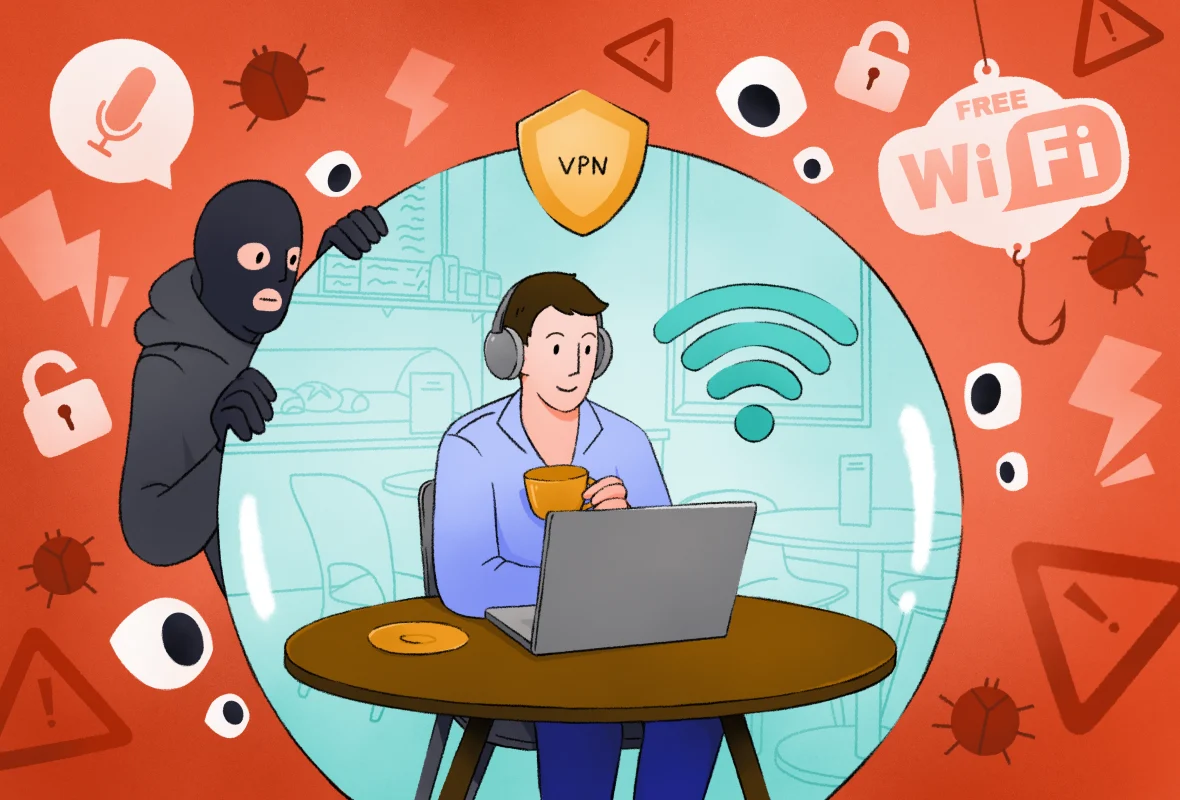
Public Wi-Fi is one of the main reasons users install VPNs in the first place. Ironically, it’s also where free VPNs can increase risk.
Many free VPNs:
- Log user activity
- Inject ads into traffic
- Use outdated encryption
- Lack proper kill switches
On public networks, this can expose users to:
- Tracking
- Session hijacking
- Data interception
The illusion of protection can be more dangerous than no protection at all.
How Free VPNs Actually Make Money
If a product is free, the user is often the product.
Free VPNs commonly monetize by:
- Selling anonymized (or poorly anonymized) data
- Displaying injected advertisements
- Partnering with third-party trackers
- Upselling aggressively during critical moments
This business model conflicts directly with privacy and reliability—two reasons people use VPNs in the first place.
Why Paid VPNs Behave Differently Under Pressure
Paid VPNs are funded by subscriptions, not data resale. This allows them to invest in:
- Larger server networks
- Higher bandwidth capacity
- Better routing infrastructure
- Ongoing security development
Surfshark follows this model, which is why users often switch to it after free services fail during high-demand situations like live sports or international travel.
The difference isn’t branding—it’s infrastructure.
Performance vs Cost: A False Comparison
Many users hesitate to pay for a VPN because they compare:
- A free option vs a monthly fee
What they don’t compare is:
- The cost of missed live events
- The risk of exposed credentials
- The frustration of unreliable access
- The time lost troubleshooting
In practice, a single failure during a critical moment often outweighs months of subscription cost.
Free VPNs and Encryption: A Quiet Weak Point
Encryption quality varies widely among free VPNs. Some rely on:
- Older protocols
- Weak implementations
- Minimal updates
As computing power increases, especially with future technologies in mind, encryption resilience matters more over time.
Some modern VPNs have begun incorporating quantum-resistant encryption approaches into their architecture—not because users need it today, but because long-term security planning matters. Free VPNs rarely invest in this kind of forward-looking development.
Why Users Upgrade Only After Something Goes Wrong
Behaviorally, most users don’t upgrade proactively. They upgrade reactively.
Common triggers include:
- A stream failing mid-event
- A connection dropping during travel
- A warning about compromised data
- A free VPN suddenly blocking access
At that point, the decision is no longer theoretical—it’s urgent.
Checklist: When a Free VPN Is No Longer Enough
If any of the following apply, a free VPN is likely insufficient:
- You stream live sports or events
- You travel internationally
- You rely on public Wi-Fi regularly
- You use multiple devices
- You care about long-term privacy
- You need consistent performance
These are not edge cases—they’re now mainstream internet habits.
Why Reliability Becomes a Habit, Not a Luxury
Once users experience a stable VPN setup, expectations change. Reliable access becomes the baseline.
Users stop thinking about:
- Whether the stream will load
- Whether the connection will drop
- Whether their data is exposed
This shift—from constant troubleshooting to quiet reliability—is why most users never return to free VPNs after upgrading.
From “Free Trial” Mindset to Long-Term Reliability
One of the less discussed aspects of VPN choice is how habits form over time. Users who start with free VPNs often normalize instability—buffering, dropped connections, blocked streams—as “just how it is.” Over time, this leads to workarounds: switching servers repeatedly, lowering stream quality, or abandoning live viewing altogether.
When users eventually transition to a reliable, paid setup, the contrast is immediate. What changes isn’t just speed or access—it’s mental load. The internet becomes something you use, not something you constantly troubleshoot.
This shift is especially noticeable during:
- Live events that can’t be replayed
- Travel days with tight schedules
- Work sessions on shared networks
Reliability stops being a luxury and becomes an expectation.
Why “Occasional Use” Rarely Stays Occasional
Many users justify free VPNs by telling themselves they’ll only use them occasionally. In practice, those occasions multiply quickly:
- A weekend trip becomes frequent travel
- One live event leads to a season of matches
- A café visit becomes a daily remote-work habit
As usage grows, the shortcomings of free VPNs compound. What felt acceptable once becomes frustrating repeatedly. This is often the moment users reassess—not because they want more features, but because they want fewer problems.
The Long-Term Cost of Inconsistent Protection
While free VPNs save money upfront, inconsistency carries hidden costs:
- Time lost reconnecting or switching servers
- Missed moments during live streams
- Anxiety about data exposure on public networks
- Fragmented access across devices
Over months, these costs outweigh the perceived savings. Users don’t upgrade because they want “premium features.” They upgrade because they want predictability.
Why Infrastructure Matters More Than Promises
Marketing language around VPNs often focuses on slogans—“fast,” “secure,” “unlimited.” What matters in practice is infrastructure:
- Server capacity under load
- Bandwidth allocation during peak times
- Network routing efficiency
- Ongoing security maintenance
These are invisible until they fail. Free VPNs lack the resources to scale reliably in these areas, especially during global demand spikes.
Future-Proof Thinking vs Short-Term Fixes
The internet isn’t standing still. Encryption standards evolve, threats adapt, and computing power increases. VPNs that plan only for today’s usage tend to age poorly.
Forward-looking security choices—such as preparing for post-quantum encryption challenges—don’t change daily browsing behavior, but they signal a commitment to longevity. Free VPNs, focused on minimizing costs, rarely invest in this kind of long-term resilience.
For users, this distinction matters less as a technical detail and more as a trust signal.
When Paying Becomes the Simpler Option
Ironically, paying for a VPN often simplifies life:
- Fewer decisions about servers
- Less time troubleshooting
- More consistent access across devices
- Fewer interruptions during critical moments
Once users experience this simplicity, reverting to free services feels like a downgrade rather than a savings.
FAQs
Are free VPNs safe at all?
Some are safer than others, but many come with serious limitations and risks.
Why do free VPNs stop working during live events?
Server overload and bandwidth caps are the main causes.
Can a free VPN protect me on public Wi-Fi?
Often inadequately, especially without modern encryption and kill switches.
Is paying for a VPN worth it for occasional use?
If that “occasional use” includes travel or live events, usually yes.
Do paid VPNs really perform better?
They typically offer better infrastructure and stability.
Is future-ready encryption important now?
It’s not urgent today, but it reflects stronger long-term security planning.
Final Thoughts
Free VPNs are designed for light, low-stakes usage. They function best when demand is low and consequences are minimal. Unfortunately, that’s rarely when people rely on them most.
Live sports, international travel, and public Wi-Fi usage place real pressure on VPN infrastructure—pressure that free services are not built to handle. The result is buffering, blocked access, unstable connections, and a false sense of security at the worst possible times.
Understanding these limitations before something goes wrong allows users to make calm, informed decisions rather than rushed upgrades mid-problem. In a digital world where reliability increasingly defines the experience, the difference between free and paid isn’t about features—it’s about trust, consistency, and peace of mind.