When searching for a home design tool, most users start with the same question: Do I really need to pay for this? With so many free options available, it’s reasonable to hesitate before upgrading. However, the difference between free and paid home design tools often becomes clear once real planning decisions are involved.
Understanding what you gain and what you give up—can help you make a smarter choice before committing time, effort, or money.
Why Free Home Design Tools Are So Appealing
Free tools are a natural starting point, especially for first-time users. They allow people to explore ideas without risk and answer basic questions like room layout and general spacing.
Free tools are often used for:
- Early-stage inspiration
- Rough layout experiments
- Casual or one-time projects
- Learning basic design concepts
For many users, this is enough to spark ideas. But limitations often appear quickly when projects become more specific or purchase-driven.
Where Free Tools Start to Fall Short
As planning becomes more detailed, free tools commonly introduce friction. Users may encounter:
- Limited furniture or décor libraries
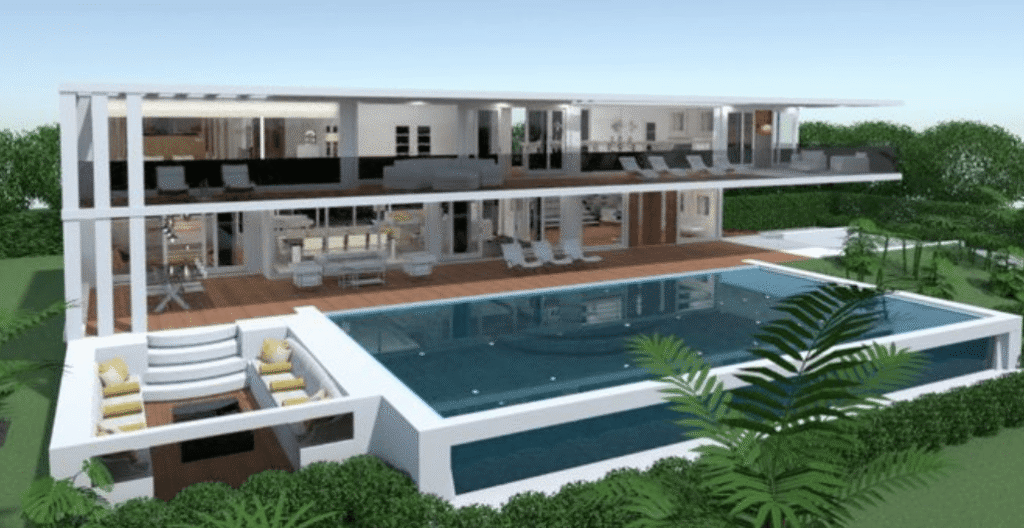
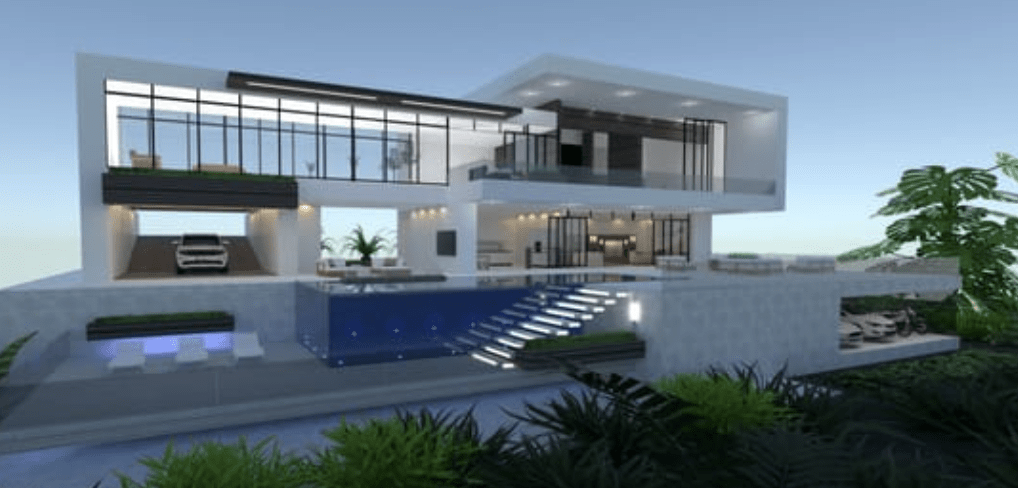
- Basic or low-quality 3D visuals
- Locked features behind paywalls
- Restrictions on saving or exporting designs
These limits can interrupt momentum, especially when users are close to making real decisions about furniture, materials, or renovations.
At this stage, users often begin evaluating whether upgrading is worth it.
What Paid Home Design Tools Offer in Return
Paid or freemium tools are typically designed for users who want clarity, confidence, and accuracy. Instead of focusing only on inspiration, they support decision-making.
Benefits often include:
- More realistic 3D rendering
- Expanded object and material libraries
- Greater customization and precision
- Smoother workflows and fewer interruptions
Planner 5D follows this model by allowing users to start free and then unlock advanced features when they need more control and realism.
This approach lets users decide based on value rather than pressure.
Free vs Paid: Which Type of User Should Upgrade?
Upgrading usually makes sense for users who:
- Are furnishing or renovating a real space
- Want to avoid costly purchasing mistakes
- Need accurate room scaling and layouts
- Revisit designs over time
- Prefer visual confidence before committing
For these users, the cost of a paid tool is often small compared to the cost of a single mistake in real life.
The Hidden Cost of “Free” in Home Planning
While free tools cost nothing upfront, they can indirectly lead to:
- Buying furniture that doesn’t fit
- Choosing layouts that don’t flow
- Replacing items after purchase
- Delays caused by redesigning
When viewed this way, paid features often act as insurance against expensive errors.
How Freemium Models Help Buyers Decide Naturally
Freemium tools allow users to experience value before paying. Instead of forcing a decision early, they let users upgrade only when:
- Their project becomes more serious
- They need better visuals
- They want smoother planning
This gradual commitment tends to feel more trustworthy and user-focused.
Making a Confident Decision
The choice between free and paid isn’t about which is “better,” but which fits your situation. Free tools work well for exploring ideas. Paid tools shine when decisions matter.
Users who understand this difference often feel more confident upgrading because they know exactly what they’re paying for—and why.
FAQs
Are free home design tools enough for real projects?
They can work for early ideas, but detailed planning often requires paid features.
When should I consider upgrading to a paid plan?
When you start making purchasing or renovation decisions.
Do paid tools really save money?
They often prevent costly real-world mistakes.
Can I start free and upgrade later?
Yes. Many tools allow gradual upgrades as needs grow.
Is a paid home design tool hard to use?
Most are designed to remain beginner-friendly.
Do paid plans offer better visuals?
Yes. Higher-quality rendering is a common upgrade feature.
Conclusion
Free home design tools are a great starting point, but they aren’t always built for decision-making. When planning moves from ideas to action, paid features often provide the clarity and confidence users need. Choosing the right level based on your goals ensures you get value—not just access.