Fashion moves fast, but one question never stops trending on Google: “Is Zara still worth it?”
With the quiet-luxury wave, capsule wardrobes, and a growing obsession with quality basics, shoppers are rethinking where they spend their money. Is Zara still the high-street leader, or have brands like H&M, Uniqlo, and Mango quietly taken over?
In this guide, we’ll unpack how Zara really compares to its biggest rivals in 2026 — in terms of style, quality, price, sustainability, and sizing — so you can decide where your money should go.
The High-Street Battlefield in 2026
Walk into any mall (or scroll any fashion feed) and you’re surrounded by the same four names:
- Zara – trend-driven, designer-inspired, polished.
- H&M – affordable basics, huge variety, lots of collabs.
- Uniqlo – minimal, functional, fabric-focused.
- Mango – refined, grown-up, very “European chic.”
Together, they dominate the “mid-range fast fashion” space. But they don’t actually do the same job in your wardrobe.
Think of them like this:
- Zara: The stylish friend who always knows micro-trends before everyone else.
- H&M: The friend who always has “something cheap and cute” for last-minute events.
- Uniqlo: The friend who swears by comfort, fabric and practicality.
- Mango: The friend who looks like she works in fashion PR and spends weekends in Barcelona.
The real question: which one should you treat as your go-to?
Style Identity: Who Are You Actually Dressing For?
Zara – The Runway Translator
Zara’s biggest strength is speed. It picks up runway, TikTok and celebrity trends and filters them into wearable pieces within weeks. You’ll find:
- Strong shoulders, cinched waists, sculpted tailoring
- Trend-led denim (barrel jeans, puddle hems, cargoes)
- Statement pieces: feather trims, metallics, sculpted shoes
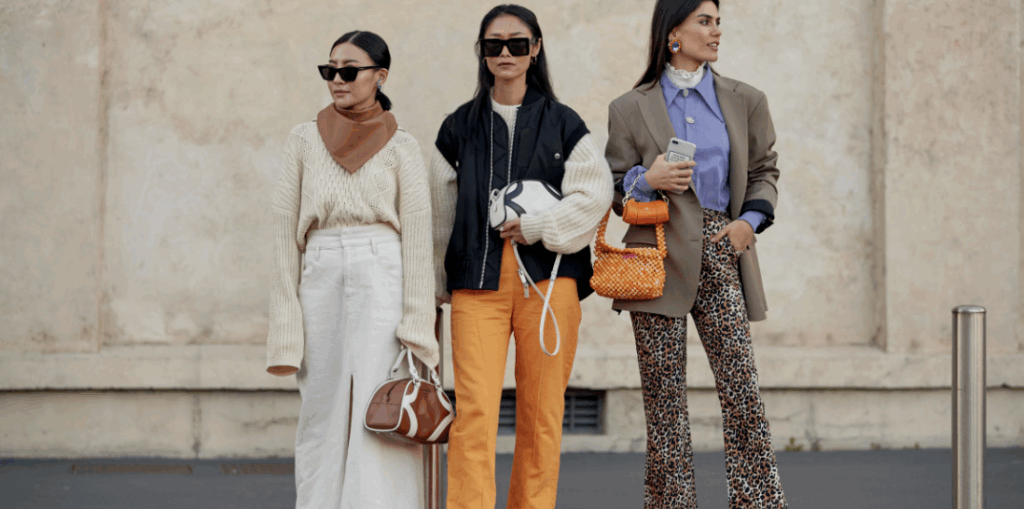
- Lots of “quiet luxury” basics in neutral palettes — blazers, tailored trousers, knit tanks
If you like looking like you know fashion — not just clothes — Zara is built for you.
H&M – The Trendy All-Rounder
H&M doesn’t feel as “fashion editor” as Zara, but it wins on accessibility:
- Everyday jeans, tees, shirts, hoodies
- Girly dresses, floral prints, party tops
- Designer collabs that spike interest a few times a year
Perfect if you’re experimenting, building a casual wardrobe, or shopping on a tighter budget.
Uniqlo – The Minimalist Engineer
Uniqlo is where design meets logic:
- Clean silhouettes, almost no prints
- Elevated basics: Supima cotton tees, merino sweaters, HEATTECH, AIRism
- Clever construction and materials that make the clothes feel better than they look in photos
If you’re building a capsule wardrobe or dressing for work/college in a no-nonsense way, Uniqlo is the quiet hero.
Mango – Soft Power Dressing
Mango feels like Zara’s calmer older sister:
- Draped trench coats and wool-blend coats
- Midi dresses that work for work, dates and dinners
- Refined suits, wide-leg trousers, silk-effect blouses
If you’re going for soft, European elegance instead of bold trend statements, Mango often nails it.
Fabric & Quality: Where Does Your Money Go?
Let’s be honest: none of these brands are pure “investment-level” like The Row or Max Mara. But some pieces age better than others.
Zara’s Quality Sweet Spot
Zara is inconsistent — but when it’s good, it’s very good for the price.
Best bets:
- Blazers and outerwear
- Tailored trousers and vests
- Leather accessories (belts, some shoes, some bags)
- Structured shirts and poplin dresses
Be more cautious with:
- Very trendy shoes
- Thin knits that pill easily
- Ultra-synthetic dresses for daily wear
H&M: Hit or Miss, But Cheaper
Pros:
- Low prices = low regret “fun buys”
- Decent basics in their premium or Conscious lines
- Great for experiments: bright trends, prints, micro-aesthetics
Cons:
- More polyester, more wear-and-tear
- Shape may distort faster after multiple washes
Uniqlo: Quietly Best-in-Class Basics
Uniqlo often wins on cost-per-wear:
- Tees keep their shape
- Knits don’t immediately pill
- Jeans and trousers feel sturdy
Their focus on fabric innovation makes them ideal for building foundations: the T-shirts, tanks, jeans and cardigans that support everything else.
Mango: Better Finishes, Soft Tailoring
Mango’s strong points:
- Outerwear that looks more expensive than it is
- Draped fabrics that hang nicely on the body
- Women’s tailoring that feels softer and refined
It can run slightly pricier than Zara or H&M, but for capsule coats, trousers and dresses, the cost can be justified.
Price vs Value: Who Gives the Best Deal?
Approximate price feel (varies by country and collection):
- H&M – Lowest average price
- Uniqlo – Affordable, but more “calculated investment” than impulse
- Zara – Mid to upper mid-range for high-street
- Mango – Similar or slightly above Zara for some pieces
Where you feel the value most:
- Zara – Event wear, trendy coats, statement tailoring
- H&M – Casual tops, basics, trend experiments
- Uniqlo – Everyday essentials and base layers you wear constantly
- Mango – Workwear, date-night outfits, elegant coats and boots
If you want that “I spend more than I do” look, the right Zara blazer or Mango coat styled well can beat almost anything else at this price point.
Sizing, Fit & Body Types
This is where your experience can change completely brand to brand.
Zara
- Tends to run small and narrow, especially in fitted dresses and trousers.
- Great for hourglass and rectangle figures who like sharp tailoring.
- Petite shoppers sometimes struggle with sleeve and trouser length.
Tip: When shopping blazers or trousers, try one size up and focus on how it sits on your shoulders and waist — not just the number on the label.
H&M
- Often more relaxed and forgiving in fit.
- Wide size range in many regions.
- Works well for casual wear, loungewear, and oversized styles.
Uniqlo
- Patterns are clean and straight, which suit column, rectangle and slim builds very well.
- Pear-shaped or curvier bodies might need to try multiple cuts for trousers and jeans.
- Tops and outerwear can be excellent if you like a minimal, boxy aesthetic.
Mango
- Dresses and tailoring are usually designed with a soft feminine silhouette in mind.
- Works well for hourglass and pear shapes, thanks to darts, wrap shapes and waist emphasis.
- Midi lengths and fluid trousers are fantastic if you want elongation without being too tight.
Sustainability & Ethics: Who’s Doing the Work?
None of these brands are perfect — they’re all large, high-volume retailers. But consumers are paying more attention, and so are search trends around “sustainable high-street fashion”.
- Zara (Inditex) has been pushing recyclable fabrics, join-life tags, and more transparent environmental goals.
- H&M heavily markets its Conscious collection and recycling initiatives, but has also faced criticism for greenwashing.
- Uniqlo focuses on durability, long-wear basics, and some recycling programs.
- Mango has gradually increased its responsible fibers and transparency.
If sustainability matters to you:
- Prioritise pieces you’ll wear often (coats, trousers, jeans, blazers).
- Stick to natural or blended fabrics when possible (cotton, wool, linen, viscose blends).
- Avoid buying ultra-trendy pieces you’ll only wear twice — regardless of the brand.
Zara can still be part of a more ethical wardrobe if you treat it as a source of long-term staples and carefully chosen statements, not weekly hauls.
How to Choose: When to Shop Zara vs the Others
Instead of asking “Which brand is best?”, flip the question to:
“What job does this piece have in my wardrobe?”
Choose Zara when you want:
- A blazer that looks like designer but costs a fraction
- A trending silhouette: barrel jeans, maxi coat, dramatic shoulders
- A statement dress for a special event
- To tap into quiet luxury with sharp tailoring, monochrome outfits, and neutral tones
Choose H&M when you want:
- Graphic tees, hoodies, joggers, relaxed jeans
- A fun party top or dress you’re not sure you’ll wear often
- Trend-led pieces on a strict budget
Choose Uniqlo when you want:
- T-shirts you can wear 100+ times
- Heattech for winter, AIRism for humid summers
- Clean, minimal layers that pair with everything
- Elevated basics for a capsule wardrobe
Choose Mango when you want:
- Elegant coats, trenches and blazers
- Pieces that transition from office to evening
- Romantic yet polished dresses
- A more mature, European aesthetic
Styling Zara in 2026: Getting the “Expensive” Look
Zara really shines when you style it like a luxury brand, not like fast fashion. A few principles:
1. Go Neutral, Go Tailored
Build around:
- Camel, black, ivory, navy, chocolate brown, grey
- One or two accent colours you love (deep red, forest green, powder blue)
A Zara camel coat + black turtleneck + wide-leg trousers + loafers can look far more expensive than the price tag.
2. Focus on Silhouette, Not Print
Zara prints can be hit or miss. If you want that “quiet luxury” look:
- Choose clean lines: straight-leg trousers, long coats, midi skirts
- Avoid overly busy prints unless you truly love them
- When in doubt, pick structure over decoration
3. Mix High-Street with High-Quality Accessories
Even if the entire outfit is Zara:
- Pair it with one high-quality accessory — leather bag, real gold earrings, a classic watch
- Keep hardware minimal (avoid too many chains or logos)
- Match metals (all gold or all silver for a polished feel)
4. Care Is Part of the Look
Zara fabrics often respond well to:
- Steaming instead of rough ironing
- Gentle washing in cold water
- Air-drying instead of tumble drying
Good care can double (or triple) the lifespan of your favourite pieces.
So… Is Zara Still the High-Street Queen?
If your style is about:
- Looking on-trend without designer prices
- Sharp tailoring and confident silhouettes
- Neutral, polished outfits that photograph well for social media and real life
Then yes — Zara is still one of the best high-street brands to build your look around.
But it works best when you team it up with what the others do well:
- Use Uniqlo for base layers and everyday essentials.
- Use Mango for elegant coats, workwear and soft power dressing.
- Use H&M for playful, affordable add-ons when you want to experiment.
Treat Zara as your statement and structure brand, not the only place you shop. That’s how you get a wardrobe that looks modern, expensive and intentional — without burning through your budget or filling your closet with clothes you never wear.
Final Thoughts: Build Your Own High-Street Strategy
Instead of being loyal to a single brand, build a strategy:
- Start with foundations: Uniqlo or solid basics from Mango/H&M.
- Add structure: Zara blazers, coats, trousers.
- Layer personality: Prints, colours and accessories from Zara/H&M.
- Invest slowly: Upgrade accessories (shoes, bags, jewellery) over time.
That way, every shopping trip has a purpose — and every piece you buy has a clear role in your style story.