






As internet usage continues to grow across the world, choosing between 5G vs Fiber Internet has become one of the most important decisions for households and businesses in 2026. Whether you’re working remotely, streaming 4K content, attending online classes, gaming, or managing smart home devices, the quality of your internet connection directly affects your daily experience.
Both technologies offer high-speed connectivity, but they work differently and are designed for different user needs. Fiber broadband delivers internet through fiber-optic cables, while 5G wireless internet relies on advanced mobile networks. This guide compares their performance, reliability, pricing, availability, and ideal use cases to help you choose the best option.
We’ll also look at leading providers such as AT&T Fiber, Verizon Fios, T-Mobile Home Internet, Vodafone, EE, Orange, Virgin Media, Google Fiber, Xfinity, Spectrum, Mint Mobile, O2, Tesco Mobile, Boost Mobile, Kena Mobile, and iD Mobile, which continue expanding next-generation internet services around the world.
Understanding 5G and Fiber Internet
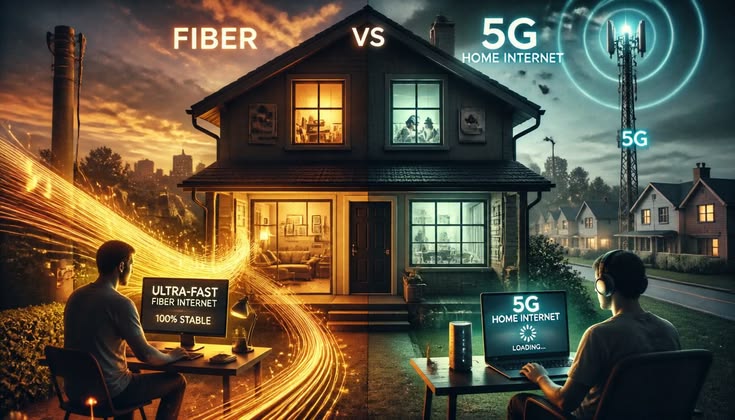
Before comparing performance, it’s important to understand how each technology works. Fiber internet uses light signals transmitted through fiber-optic cables, allowing extremely fast and stable connections with very low latency. In contrast, 5G home internet delivers broadband wirelessly through nearby cellular towers, eliminating the need for physical cable installation.
The debate around 5G vs Fiber Internet isn’t about which technology is universally better-it’s about which one best matches your location, budget, and internet usage. Urban users may have access to both, while rural regions often depend on expanding wireless networks where fiber infrastructure is still limited.
Key differences include:
- Fiber uses physical fiber-optic cables.
- 5G uses wireless cellular towers.
- Fiber generally offers symmetrical upload and download speeds.
- 5G provides faster installation and greater flexibility.
Internet Speed: Which Technology Performs Better?
One of the biggest factors in any home internet comparison is speed. Modern fiber broadband connections commonly deliver download speeds ranging from 300 Mbps to 2 Gbps or more, with upload speeds that are often equally fast.
5G home internet has also improved significantly, with many providers offering speeds between 100 Mbps and 1 Gbps depending on signal strength, network congestion, and location.
Typical performance comparison:
Fiber Internet
Advantages include:
- Extremely fast download speeds.
- Symmetrical upload performance.
- Low latency.
- Consistent performance throughout the day.
5G Internet
Benefits include:
- Fast wireless connectivity.
- No cable installation.
- Excellent performance in well-covered urban areas.
- Easy relocation when moving homes.
For users requiring maximum consistency, fiber generally delivers superior internet speed, while 5G provides impressive performance with greater flexibility.
Reliability and Everyday Performance
Speed is important, but reliability often has a greater impact on everyday internet use. Video conferencing, online gaming, cloud backups, and smart home devices all require stable connections.
Fiber broadband remains one of the most reliable internet technologies because physical fiber cables are less affected by environmental conditions and network congestion.
5G performance can vary depending on:
- Distance from the nearest tower.
- Number of connected users.
- Building materials.
- Weather conditions in some regions.
Users working remotely or operating businesses may prefer fiber because of its consistent performance.
Home Internet Comparison: Installation and Convenience
Another important aspect of any home internet comparison is installation. Fiber usually requires professional installation and may not be available everywhere.
5G home internet is considerably easier to set up.
Installation comparison:
Fiber Broadband
Pros:
- Professional installation.
- Stable wired connection.
- Long-term reliability.
Limitations:
- Limited availability.
- Installation appointments.
- Infrastructure requirements.
Wireless Internet (5G)
Pros:
- Plug-and-play setup.
- Portable equipment.
- Fast activation.
- Ideal for renters.
Limitations:
- Signal quality varies by location.
- Coverage depends on nearby towers.
For users seeking quick installation, wireless internet offers a clear advantage.
Comparing Broadband Plans
Choosing between available broadband plans requires evaluating more than advertised download speeds. Pricing, customer service, equipment fees, and data policies all contribute to long-term value.
When comparing plans, consider:
- Monthly subscription cost.
- Router or modem rental.
- Data limits or fair usage policies.
- Contract length.
- Customer support reputation.
The best plan balances affordability with consistent performance.
Top Internet Providers Worth Considering
Several providers have established strong reputations in both fiber and wireless internet markets.
AT&T Fiber
One of the leading fiber providers in the United States.
Strengths include:
- Multi-gigabit speeds.
- Excellent reliability.
- Competitive pricing.
- Strong customer support.
Verizon Fios
Known for delivering premium fiber broadband services across many parts of the United States.
Best for:
- Gaming.
- Remote work.
- High-definition streaming.
- Smart homes.
T-Mobile Home Internet
One of the fastest-growing 5G home internet providers.
Popular because of:
- Easy installation.
- No annual contracts.
- Nationwide expansion.
- Affordable pricing.
Virgin Media
A leading broadband provider in the UK, offering high-speed cable and fiber-based internet with attractive entertainment bundles.
Key benefits:
- Fast download speeds.
- Reliable home Wi-Fi.
- TV and broadband bundles.
- Family-friendly plans.
Vodafone, EE, and Orange
These international providers continue expanding fiber and 5G services throughout Europe and other global markets.
Advantages include:
- Strong mobile integration.
- Expanding fiber networks.
- Reliable customer service.
- International coverage.
Other Brands to Consider
Depending on your region, these providers also offer competitive internet and mobile services:
- Google Fiber
- Xfinity
- Spectrum
- Mint Mobile
- O2
- Tesco Mobile
- Boost Mobile
- Kena Mobile
- iD Mobile
Many of these companies combine broadband, mobile, and entertainment services into attractive bundled packages.
Which Connection Is Better for Different Users?
Different households have different internet requirements. Choosing the right connection depends on your lifestyle rather than simply selecting the fastest advertised speed.
Fiber Internet Is Best For
- Remote workers.
- Online gamers.
- Large families.
- Content creators.
- Businesses.
5G Internet Is Best For
- Renters.
- Frequent movers.
- Rural locations without fiber.
- Small households.
- Temporary internet setups.
Matching your internet connection to your usage helps maximize value while minimizing unnecessary expenses.
Future of Internet Connectivity
Both fiber and 5G technologies continue evolving rapidly. Governments and telecom providers worldwide are investing billions in expanding broadband infrastructure and wireless networks.
Emerging industry trends include:
- AI-powered network optimization.
- Faster Wi-Fi standards.
- Wider fiber deployment.
- Expanded standalone 5G coverage.
- Smarter home networking equipment.
These developments will continue improving connectivity across both technologies throughout the coming years.
Frequently Asked Questions (FAQs)
1. Which is faster: 5G or Fiber Internet?
Fiber generally offers faster and more consistent speeds with lower latency, while 5G provides excellent wireless performance that depends on coverage and network conditions.
2. Is 5G home internet good enough for streaming?
Yes. Modern 5G home internet easily supports HD and 4K streaming, video conferencing, and everyday browsing when strong network coverage is available.
3. Is Fiber Internet better for gaming?
Yes. Fiber typically provides lower latency and more stable performance, making it the preferred choice for competitive online gaming.
4. Which providers offer the best fiber internet?
Popular providers include AT&T Fiber, Verizon Fios, Google Fiber, Virgin Media, Vodafone, EE, Orange, Xfinity, and Spectrum, depending on your region.
5. Should I choose fiber or wireless internet?
Choose fiber if it’s available and you require maximum speed and reliability. Choose wireless 5G internet if you value portability, fast installation, or live in an area without fiber infrastructure.
6. Is 5G replacing fiber broadband?
No. Both technologies serve different purposes. Fiber remains the benchmark for high-performance home internet, while 5G expands broadband access where wired infrastructure is unavailable.
Conclusion
The decision between 5G vs Fiber Internet depends on your location, budget, and internet usage. While fiber broadband continues to deliver unmatched speed, stability, and low latency for demanding users, 5G home internet offers remarkable flexibility, quick installation, and expanding global availability. Leading providers such as AT&T Fiber, Verizon Fios, T-Mobile Home Internet, Virgin Media, Vodafone, EE, Orange, Google Fiber, Xfinity, Spectrum, Mint Mobile, O2, Tesco Mobile, Boost Mobile, Kena Mobile, and iD Mobile are helping consumers access faster and more reliable connectivity than ever before.
Before choosing your next internet service, compare available broadband plans, evaluate local coverage, and consider how your household uses the internet every day. Making an informed choice today will ensure a faster, more reliable, and future-ready online experience throughout 2026 and beyond.